


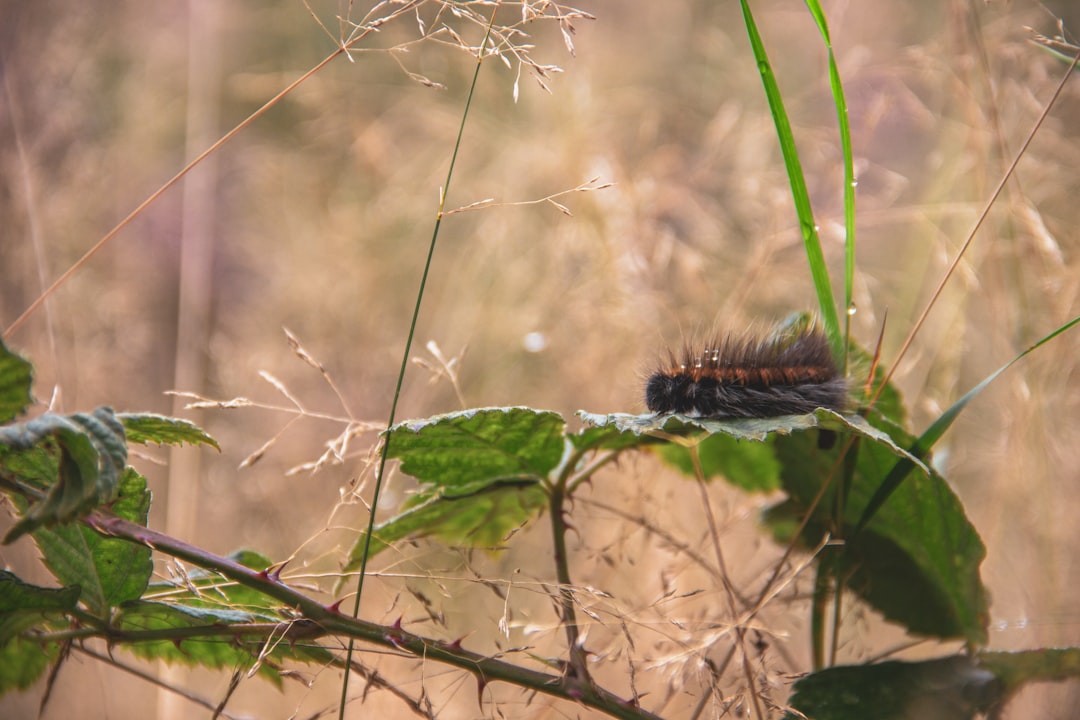
The asp caterpillar is the most painful insect sting most Texans will ever experience. The caterpillar looks innocent, almost cute, like a small fluffy gray or tan tuft on a tree leaf. Underneath the fur is a layer of venomous spines that break off in skin on contact and continue releasing venom for hours. Late summer and fall in Central Texas are peak asp season, and the stings are common enough that everyone who lives here long enough either gets stung or knows someone who has. Recognition, first aid, and when to seek emergency care are worth knowing in advance.
Key takeaways
- Asp caterpillars are fuzzy moth larvae with hidden venomous spines
- Stings are extraordinarily painful, lasting hours
- Most reactions are local; severe systemic reactions are rare but possible
- Tape removal of spines plus cool compresses and antihistamines is standard treatment
- Texas peak season is August through October
Identifying the asp
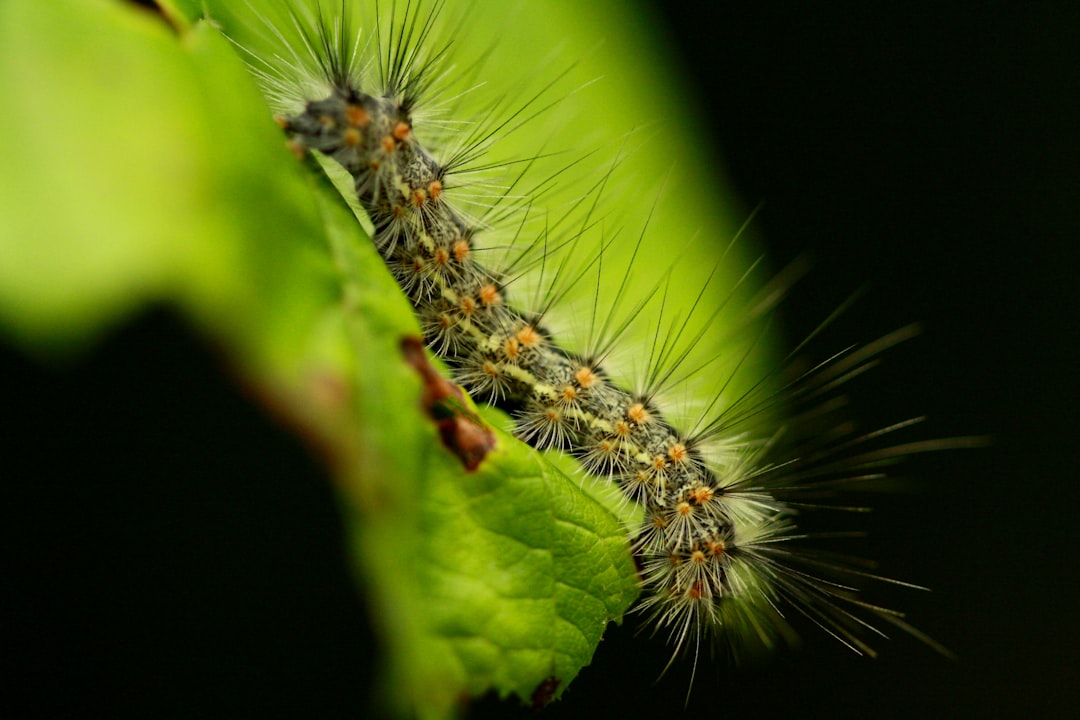
Asps (Megalopyge opercularis) are about 1 inch long, oval-shaped, and covered in soft-looking hair that ranges from pale tan to gray to dark brown depending on the individual. The fur completely hides the spines underneath, which is why people often touch them out of curiosity. Other furry caterpillars in Texas (like the white-marked tussock moth larva) are not nearly as venomous, but the asp is the one to know.
Distinguishing from other caterpillars
Many caterpillars in Texas are harmless. The asp is distinguished by its dense even coat of fur that completely covers the body, its compact teardrop or oval shape, and its tendency to rest motionless on the underside of leaves. Spiky-looking or brightly colored caterpillars (saddleback, Io moth larva) have visible spines and are obviously different. Tussock moth caterpillars have tufts of hair rather than even coats.
The two life stages
Asps spend several weeks as caterpillars before pupating into adult moths. The adult moths are harmless. The danger is entirely the caterpillar stage. Peak caterpillar abundance in Central Texas is August through October as larvae feed and grow toward pupation.
Texas geographic distribution
Asps occur throughout the southeastern United States but are particularly common in Texas. Central Texas, with its abundant oak and elm trees, supports large asp populations during peak years. Some years have particularly heavy asp outbreaks, often correlated with weather patterns from the previous spring.
Where they live
Asps feed on oak, elm, hackberry, and other common Central Texas trees. They are also found on shrubs and ornamental landscaping. Stings often happen when someone leans against a tree, grabs a branch, or sits where one has fallen. Children are particularly likely to get stung because they touch caterpillars they find interesting. Late summer through fall is peak season as the caterpillars are nearing pupation.
High-risk situations
Reaching into trees for fruit picking. Pruning shrubs by hand. Children playing in yards with oak or elm trees. Outdoor furniture under trees where caterpillars have fallen. Garden work in late summer and early fall. Walking barefoot in yards with caterpillar-bearing trees. Each of these situations regularly produces sting incidents.
Why curiosity is dangerous
The fluffy appearance of asps invites touching, especially by children. The fur looks soft and harmless. The pain begins immediately on contact, but by then spines have already embedded in skin. Education about not touching unknown caterpillars is the most effective prevention.
Occupational exposure considerations
Several outdoor occupations involve elevated asp sting risk during peak season.
Tree care and arborists
Workers pruning, climbing, or removing trees during August through October face direct asp exposure. Long sleeves, gloves, and tucked clothing reduce contact. Visual inspection of work areas before contact helps avoid unrecognized asps.
Landscaping and groundskeepers
Workers handling shrubs, hedges, and ornamental plantings encounter asps regularly during peak season. Standard PPE plus pre-work inspection of foliage helps minimize incidents.
Outdoor education and camp staff
Camp counselors, naturalists, and outdoor educators in Texas often encounter asps and need to manage children's curiosity. Educational programs that teach kids what to avoid prevent stings before they happen.
What a sting feels like
Immediate intense pain at the sting site, often described as throbbing or burning. The pain frequently radiates up the limb (arm or leg) toward the trunk. Local redness, swelling, and small puncture marks are typical. Pain peaks within an hour and gradually subsides over 4 to 12 hours. Some patients develop a longer-lasting rash or area of altered skin pigmentation that can persist for weeks.
The unique pain quality
Asp sting pain is consistently described as worse than bee or wasp sting and worse than fire ant. The pain has a deep throbbing quality that does not respond well to standard pain medications. Patients often say it is the worst pain they have ever felt, and they are not exaggerating. Adequate first aid plus expectant management of pain over hours is the realistic treatment.
Lymphangitis and radiating pain
The pain often follows lymphatic drainage paths, radiating up the limb toward the nearest lymph nodes. Tender swelling at the lymph nodes themselves is common. This is normal venom-related inflammation and not infection. The pattern resolves over hours without specific treatment.
First aid
Apply adhesive tape (duct tape works well) to the sting site, then peel off. This removes embedded spines that continue releasing venom. Wash the area with soap and water. Apply cool compresses. Take oral antihistamine (cetirizine, fexofenadine, or diphenhydramine) and oral pain relief (ibuprofen or acetaminophen). Most stings resolve with home care.
Why tape removal works
Asp spines break off in skin on contact and continue releasing venom from each embedded fragment. Pulling them out individually is impractical because they are tiny and numerous. Adhesive tape catches and removes most embedded spines simultaneously. Repeating with fresh tape strips can remove additional fragments. The faster spines are removed, the less venom is delivered.
What not to do
Do not rub or scratch the sting site. Do not apply heat. Do not use folk remedies that involve rubbing things into the skin. Each of these can break additional spines and worsen venom delivery. Tape removal first, then cool compresses, then standard wound care.
Pain management
Standard NSAIDs (ibuprofen) and acetaminophen provide some relief. Oral antihistamines reduce allergic component of inflammation. Topical hydrocortisone or calamine can reduce itch during the days following the sting. Severe pain may warrant prescription-strength medication, though most cases resolve with OTC options.
Cross-reactivity in detail
Asp venom is not classically allergic in mechanism, but some patients develop hypersensitivity over time.
Repeat stings and sensitization
Most patients react similarly to each asp sting they receive. Some develop more severe reactions with repeat stings as the immune system becomes sensitized. Patients with prior severe local or systemic reactions need allergist evaluation before encountering peak season again.
Cross-reactivity with other stinging insects
Asp venom is unrelated to bee, wasp, or fire ant venom. Patients allergic to other stinging insects do not have predictable cross-reactivity with asps. Each insect group requires separate testing if relevant.
When to seek emergency care
Severe reactions are rare but warrant emergency evaluation: spreading hives, throat tightness, difficulty breathing, severe abdominal pain, vomiting, or any sign of anaphylaxis. Multiple stings in a single incident can produce more severe reactions. Patients with prior severe reactions should carry epinephrine. Read more on anaphylaxis recognition.
Red flags after a sting
Signs that warrant immediate emergency care: difficulty breathing, throat or tongue swelling, hives away from the sting site, persistent vomiting, lightheadedness, severe headache, or chest pain. Children have lower threshold for emergency evaluation given their smaller size and faster physiologic responses.
When to follow up with an allergist
Patients with severe local reactions, any systemic reaction (hives, swelling beyond sting site, breathing changes), or repeat sting reactions should see an allergist. We can confirm sensitization, prescribe epinephrine for future stings, and assess whether desensitization is appropriate. Read about our insect sting allergy services.

Evolving research
Asp envenomation research has expanded over the past decade as outbreaks have drawn attention.
Venom composition studies
Researchers have identified specific venom components responsible for the severe pain quality of asp stings. The compounds activate pain receptors directly, which explains why standard analgesics provide limited relief. Future targeted treatments may emerge from this research.
Outbreak prediction
Entomologists have correlated heavy asp years with specific weather patterns from the previous spring. Cool wet springs followed by warm summers tend to produce larger asp populations. Predictive models help municipalities and schools prepare during high-risk years.
Prevention
During peak season (August through October in Central Texas), inspect trees and outdoor seating areas before contact. Wear gloves when doing yard work. Teach children not to touch unfamiliar caterpillars. If you find asps on trees near play areas, consider professional removal.
Yard inspection routine
Check the underside of leaves on oak, elm, and hackberry trees during peak season. Asps are often found on lower branches at child reach. Inspect outdoor furniture before sitting. Look for caterpillars that have fallen onto walkways. Daily quick inspection during peak weeks prevents most incidents.
When to call professionals
Heavy infestations on landscape trees may warrant professional pest control. The decision usually comes down to property risk: trees near play areas or main entryways are higher priority than trees in distant corners of a yard. Some homeowners' associations and HOA-managed properties have organized response to high-density caterpillar years.
Cultural and lifestyle context
Texas outdoor culture intersects with asp season in ways worth recognizing.
School playground awareness
Texas elementary schools often have oak and elm playground trees. During peak asp season, schools sometimes restrict outdoor recess areas or institute inspection routines. Parents can ask about school-specific protocols if their children are at higher reaction risk.
Football and outdoor sports overlap
August through October is peak Texas football season at all levels. Practice fields under or near trees with asp populations occasionally produce sting incidents. Athletic trainers in Texas schools are usually well-versed in asp first aid.
Garden and yard work timing
Heavy yard work scheduled outside the August through October window reduces asp incident risk substantially. Spring and early summer pruning, plus late fall work after caterpillar pupation, are lower-risk windows.
Other Texas insects to know
Asps are not the only Texas insect with significant sting risk. Bees, wasps, hornets, and fire ants all produce painful stings and can cause systemic reactions. Read more at insect sting allergy in Texas. Patients with significant sting allergies often benefit from venom immunotherapy.
When to schedule
If you have had any systemic reaction to an insect sting, if a child has had a severe local reaction, or if you have multiple sting incidents and want to assess sensitization, schedule an evaluation. We test, prescribe epinephrine when appropriate, and consider venom immunotherapy when the picture warrants it. Start at new patients.