


If you have lived in Central Texas for more than one winter, you know about cedar. Mountain cedar (Ashe juniper) is the region's signature allergen, producing pollen clouds so thick you can see them rolling off the hillsides west of Waco on warm January afternoons. For the roughly 20 percent of Central Texans who are sensitized, cedar season means weeks of congestion, sneezing, eye irritation, and a bone-deep fatigue that mimics the flu. The locals call it cedar fever, and if you have had it, you do not forget it. It is the single most common reason patients walk into our clinic for the first time, and it is the allergen we have the most experience treating, with over 45 years of local pollen data and treatment outcomes to draw from.
Key takeaways
- Mountain cedar (Ashe juniper) produces one of the most potent tree pollens in North America, and Central Texas sits in the center of its range
- Season runs December through February with peak counts typically in January, driven by cold fronts followed by warm, dry conditions
- Immunotherapy (allergy shots or drops) can significantly reduce cedar allergy symptoms over time, and tracking daily pollen counts helps you plan around the worst days
What mountain cedar actually is
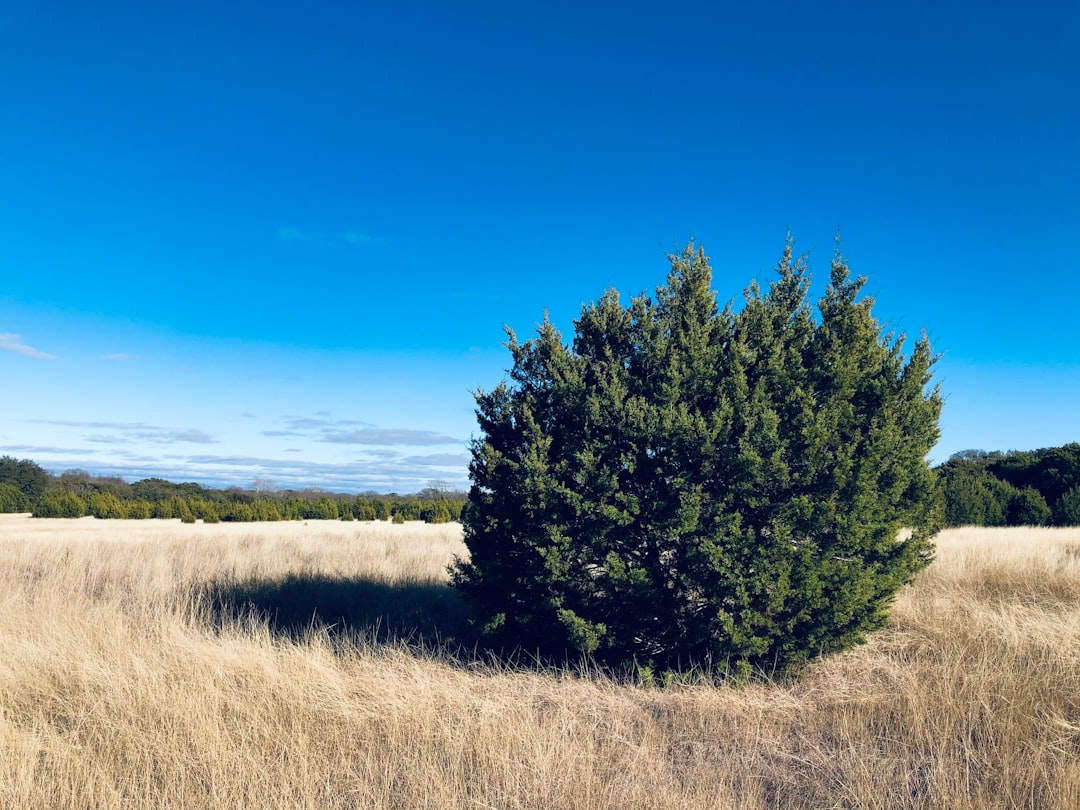
Despite the name, mountain cedar is not a true cedar. It is Juniperus ashei, a species of juniper native to the limestone hills and canyons of the Edwards Plateau and Hill Country. The trees are evergreen, drought-tolerant, and extremely prolific. They have expanded their range significantly over the past century as fire suppression allowed them to colonize grasslands that were historically burned by natural fires and by indigenous land management practices. The result is dense juniper woodland covering millions of acres west of the I-35 corridor, from the Hill Country north through the Cross Timbers region.
Male mountain cedar trees produce enormous quantities of pollen. A single tree can release millions of pollen grains, and the pollen is lightweight enough to travel hundreds of miles on the wind. On heavy release days, particularly warm afternoons following a cold front, the pollen creates visible yellow-orange clouds that drift across the landscape like smoke. These mass release events are what drive the extreme pollen counts that make Central Texas cedar season legendary. We measure daily pollen counts at our clinic using a certified in-house pollen and mold counter, and on the worst days, the cedar pollen levels reach categories that most national allergy scales were not designed to accommodate.
Why cedar pollen is so allergenic
Not all tree pollens are created equal. Mountain cedar pollen contains proteins (particularly Jun a 1, the major cedar allergen) that are unusually effective at triggering IgE-mediated immune responses. The protein structure binds readily to IgE antibodies on mast cells, causing degranulation and histamine release with high efficiency. This is why even people who tolerate other tree pollens without much trouble can have severe reactions to cedar. The potency of the allergen, combined with the sheer volume of pollen produced, makes cedar season the most clinically significant allergy period in Central Texas by a wide margin.
Another factor is timing. Most tree pollens are released in spring when people expect allergies. Cedar pollinates in winter, catching newcomers off guard. Many patients go through their first cedar season convinced they have a cold or flu that will not go away. By the time they realize it is allergies (often a month or more into the season), they have been untreated for weeks and the symptoms have become deeply entrenched. Starting treatment early makes a significant difference, which is why we recommend patients with known cedar allergy begin nasal steroid sprays in early December, before the first mass pollen release.
Cedar allergy symptoms in detail
Nasal and sinus symptoms
Severe bilateral nasal congestion is usually the first and most prominent symptom. Both nostrils can become completely blocked, forcing mouth breathing that dries the throat and disturbs sleep. Copious clear, watery nasal drainage follows, going through tissues at a rate that patients describe as alarming. Violent sneezing fits, often ten or more in a row, are common during high pollen days. The nasal lining becomes so swollen that even decongestant sprays provide only partial, temporary relief.
Sinus pressure headaches develop as the swollen nasal tissue blocks the sinus drainage openings (ostia), trapping mucus behind the forehead and cheekbones. If this obstruction persists, the trapped mucus can become secondarily infected with bacteria, turning allergic sinusitis into bacterial sinusitis. This progression from allergy to sinus infection is the most common reason for antibiotic prescriptions during cedar season in Central Texas. The infection resolves with antibiotics, but if the allergic swelling is not also addressed, the ostia remain blocked and the infections recur.
Eye symptoms
Cedar pollen is a particularly potent trigger for allergic conjunctivitis. Eyes become red, watery, and intensely itchy. Many patients describe a gritty, burning sensation specific to cedar that differs from other pollen allergies. The eyelids can swell. Dark circles (allergic shiners) appear under the eyes from venous congestion caused by the nasal swelling obstructing facial vein drainage. Some patients develop such severe eye symptoms that prescription eye drops are needed in addition to oral and nasal medications.
Fatigue and systemic symptoms
This is what earns cedar allergy the "fever" name. The immune response triggers inflammatory cytokines (interleukin-1, interleukin-6, TNF-alpha) that circulate throughout the body. These are the same chemicals your body produces when fighting a viral infection, and they cause the same fatigue, malaise, body aches, and difficulty concentrating. Patients describe feeling wiped out, unable to focus, and needing far more sleep than usual without feeling rested. The fatigue is not psychological. Your immune system is genuinely working overtime, and that draws energy away from everything else.
True fever above 100.4 degrees is uncommon from allergies alone. But the subjective experience of being sick, the kind where you cancel plans and collapse on the couch, is very real during severe cedar episodes. Many patients miss work during peak cedar weeks. School absenteeism in Central Texas is measurably higher during January than in surrounding months, and cedar fever is a significant contributor.
Secondary complications
The prolonged nasal obstruction during cedar season frequently leads to secondary bacterial sinus infections (acute sinusitis). Post-nasal drip causes chronic cough and sore throat that persist throughout the season. Eustachian tube dysfunction creates ear pressure, fullness, crackling sounds, and sometimes temporary hearing changes. Patients with allergic asthma often experience worsening during cedar season as the pollen triggers lower airway inflammation alongside the upper airway symptoms. The comprehensive nature of cedar's impact on the body is what makes it such a dreaded season for sensitized patients.
When cedar season hits the Waco area
Cedar pollen release is driven by specific weather patterns. The trees need a period of cool weather to mature their pollen cones, followed by warm, dry conditions to trigger mass release. The classic pattern is a cold front passing through Central Texas (dropping temperatures into the 30s or 40s), followed by sunny skies and daytime temperatures climbing into the 60s or 70s. Within hours of the warm-up, male trees begin releasing pollen. These post-frontal release events are when pollen counts spike most dramatically.
In the Waco area, cedar pollen typically starts appearing in mid to late December. January is consistently the worst month, with multiple mass release events driven by the succession of cold fronts that characterize Texas winter weather. February brings a gradual decline as the trees exhaust their pollen supply, though late-season spikes can occur after warm spells. By early March, cedar season is usually over and oak pollen takes its place.
The intensity of any given cedar season varies year to year. Drought stress on the trees during the previous summer can actually increase pollen production the following winter, as the trees prioritize reproduction when under physiological stress. Wet springs that produce healthy tree growth can also lead to heavier pollen years due to more vigorous reproductive structure development. The season also depends on the frequency and timing of cold fronts: a January with multiple back-to-back fronts produces higher cumulative counts than a January with stable warm weather that does not trigger mass releases.
You can track daily cedar pollen counts at allergywaco.com, where our certified in-house pollen counter measures what is actually in the local air. National pollen forecasts are less useful because they do not capture the hyper-local variations that matter. A day that shows moderate cedar in Austin might be extreme in Waco depending on wind direction and proximity to juniper woodland. Our counts reflect what our patients are breathing, not a regional average.
Testing for cedar allergy
Skin prick testing is the standard diagnostic tool for cedar allergy. A small amount of mountain cedar pollen extract is applied to the skin, a tiny prick introduces it into the outer skin layer, and a positive reaction (a raised wheal) appears within 15 to 20 minutes. The size of the wheal indicates the degree of sensitivity, though clinical symptom severity does not always correlate perfectly with test size. Some patients with modest skin test reactions have severe symptoms, while others with large reactions manage with relatively mild symptoms. The test confirms that your immune system produces IgE antibodies to cedar pollen, which is the necessary first step for all targeted treatment decisions.
Blood tests measuring cedar-specific IgE are an alternative when skin testing cannot be performed, such as in patients who cannot stop antihistamines (which suppress skin test reactions). The blood test is somewhat less sensitive than skin testing but provides useful confirmation and can track IgE levels over time if monitoring the response to immunotherapy.
We recommend testing the full Central Texas allergen panel rather than just cedar, even for patients who are confident that cedar is their only problem. The reason is practical: most cedar-allergic patients are also sensitized to other allergens (oak, dust mites, mold, ragweed) that contribute to symptoms during other seasons. Knowing the full picture allows a comprehensive treatment plan that covers the whole year rather than just January. Many patients who come in thinking they have a "cedar problem" discover they have a year-round allergy problem with cedar as the most dramatic component.
Treatment options
Over-the-counter medications
For mild to moderate cedar allergy, a combination of non-sedating oral antihistamines and nasal corticosteroid sprays provides reasonable coverage. The antihistamine (cetirizine, fexofenadine, or loratadine) addresses sneezing, itching, and runny nose. The nasal steroid spray (fluticasone, mometasone, budesonide) is the more effective of the two for congestion and works by reducing the underlying nasal inflammation rather than just blocking histamine.
The critical detail with nasal steroids is timing. They take several days to reach full anti-inflammatory effect and work best when started before significant pollen exposure begins. We recommend starting the nasal steroid in early December, one to two weeks before cedar pollen typically appears in the Waco area. This lead time allows the medication to pre-protect the nasal tissue so that when the first mass pollen release hits, the inflammatory response is blunted from the start. Patients who wait until they are already symptomatic to start the spray are playing catch-up and never achieve the same level of control as those who started preventively.
Antihistamine eye drops (ketotifen, available over the counter) help with the eye symptoms. Combining all three (oral antihistamine, nasal steroid, eye drops) covers the main symptom domains and is effective for many patients with moderate cedar allergy.
Prescription medications
When over-the-counter options are not providing adequate relief, prescription options add another level of control. Azelastine (Astelin, Astepro) is an antihistamine nasal spray that works faster than oral antihistamines for nasal symptoms and can be used alone or combined with a nasal steroid. The combination of azelastine plus fluticasone (available as Dymista) provides the strongest topical nasal treatment currently available.
Leukotriene modifiers (montelukast/Singulair) target a different inflammatory pathway than antihistamines and can provide additive benefit for patients who are already on antihistamines and nasal steroids without full relief. For acute severe flares (the kind where you cannot breathe, cannot sleep, and are ready to move out of Texas), a short course of oral corticosteroids (prednisone) can provide dramatic relief. Oral steroids are reserved for the worst episodes because of side effects with prolonged use, but for a three-to-five-day rescue course, they can be the difference between a functioning week and a miserable one.
Immunotherapy: the long-term approach
For patients whose cedar allergy is severe, whose symptoms are not adequately controlled with medications, or who are tired of dreading December through February every year, immunotherapy offers the best long-term outcome. This is the treatment that addresses the underlying immune dysfunction rather than just managing symptoms.
Allergy shots involve regular subcutaneous injections of gradually increasing amounts of cedar pollen extract. The treatment starts with very low doses and increases over a buildup period of several months until a maintenance dose is reached. The maintenance dose is then given every two to four weeks for a total treatment course of three to five years. Over this period, the immune system gradually shifts from producing IgE (the antibody driving the allergic reaction) to producing IgG4 (a blocking antibody that provides protection). Regulatory T cells are activated that suppress the allergic pathway long-term. Success rates for cedar immunotherapy are approximately 85 to 90 percent.
Allergy drops (sublingual immunotherapy) are an alternative for patients who prefer home-based treatment. Drops containing cedar pollen extract are placed under the tongue daily. The immunological mechanism is similar to shots, though the pathway (through the oral mucosa's immune tissue rather than subcutaneous injection) differs. Success rates are approximately 75 to 85 percent, somewhat lower than shots but with the significant advantage of convenience: daily drops at home rather than regular clinic visits for injections.
We offer both options and help patients choose based on their specific situation, schedule, travel distance to the clinic, needle comfort, and severity of allergy. Many patients notice meaningful improvement during their first cedar season on immunotherapy. The improvement continues to build over the treatment course, typically reaching maximum benefit by year three. After completing the recommended three to five years, the benefit usually persists for years, meaning you are not committing to lifelong treatment.
Environmental strategies
You cannot avoid cedar pollen entirely in Central Texas, but you can reduce your exposure on the worst days. Keep windows and doors closed throughout cedar season. Run the car AC on recirculate mode rather than drawing in outside air. Check the daily pollen count at allergywaco.com before planning extended outdoor time, and on extreme count days, limit outdoor activities or move them to indoor alternatives. Shower and change clothes after being outside on high pollen days, because pollen accumulates in your hair and on fabric, and if it transfers to your pillow, you will breathe it all night.
Nasal saline irrigation (neti pot or squeeze bottle) physically washes pollen out of your nasal passages and provides immediate, if temporary, relief from congestion. We recommend saline rinses after outdoor exposure during cedar season and before bed to clear the day's accumulated pollen before you lie down.
HEPA air purifiers in the bedroom reduce airborne pollen that has entered through door openings and on clothing. Running the purifier with the bedroom door closed creates a clean air zone for the eight hours you spend sleeping, which reduces overnight pollen exposure and improves morning symptoms.
Living with cedar allergy in Central Texas
Cedar season is a fact of life in Central Texas. If you are sensitized, you will feel it every winter to some degree. But there is an enormous difference between an unmanaged cedar season (weeks of misery, missed work, recurring sinus infections, poor sleep, and general dysfunction) and a well-managed one (some congestion on the worst days, functional most of the time, sleeping reasonably well, and able to maintain your normal activities).
The patients who do best are the ones who plan ahead. Start nasal steroids in early December. Have a medication plan in place before the first pollen surge. Track daily counts to anticipate bad days. Consider immunotherapy if seasonal medications are not providing enough relief year after year. And most importantly, get tested so you know exactly what you are dealing with, because cedar is usually not acting alone. There are almost always additional allergens involved, and treating the full picture is what makes the biggest difference.
We have been treating cedar allergies in this community for over 45 years, through every kind of cedar season the Texas climate can produce. The patients who come to us in January thinking "this is just how winter is" leave with a plan that changes their experience of winter permanently. Cedar is a formidable allergen, but it is also a well-understood and very treatable one.