


Elm is the stealth allergen of Central Texas. Cedar gets all the attention in winter. Oak dominates the conversation in spring. But elm trees pollinate during the gaps and overlaps between those headline seasons, extending the period of tree pollen exposure in ways that many patients do not realize until they are tested. Central Texas has several elm species, and they do not all pollinate at the same time. American elm and cedar elm have nearly opposite schedules: American elm pollinates in late winter (February and March), while cedar elm pollinates in late summer and fall (August through October). The result is that elm pollen contributes to the allergen load during two separate windows of the year, bridging the transition between major pollen seasons.
Key takeaways
- Central Texas has multiple elm species with different pollination schedules: American elm in late winter (Feb-Mar) and cedar elm in late summer/fall (Aug-Oct)
- Elm pollen's contribution to symptoms is often masked by cedar, oak, or ragweed because the seasons overlap, making specific allergy testing the only way to identify elm as a trigger
- Treatment is the same as for other tree pollens, and continuous nasal steroid use through overlapping seasons is more effective than starting and stopping between each pollen
Elm species in Central Texas
Several elm species grow in the Waco area, and their different pollination schedules are what make elm allergy tricky to recognize clinically.
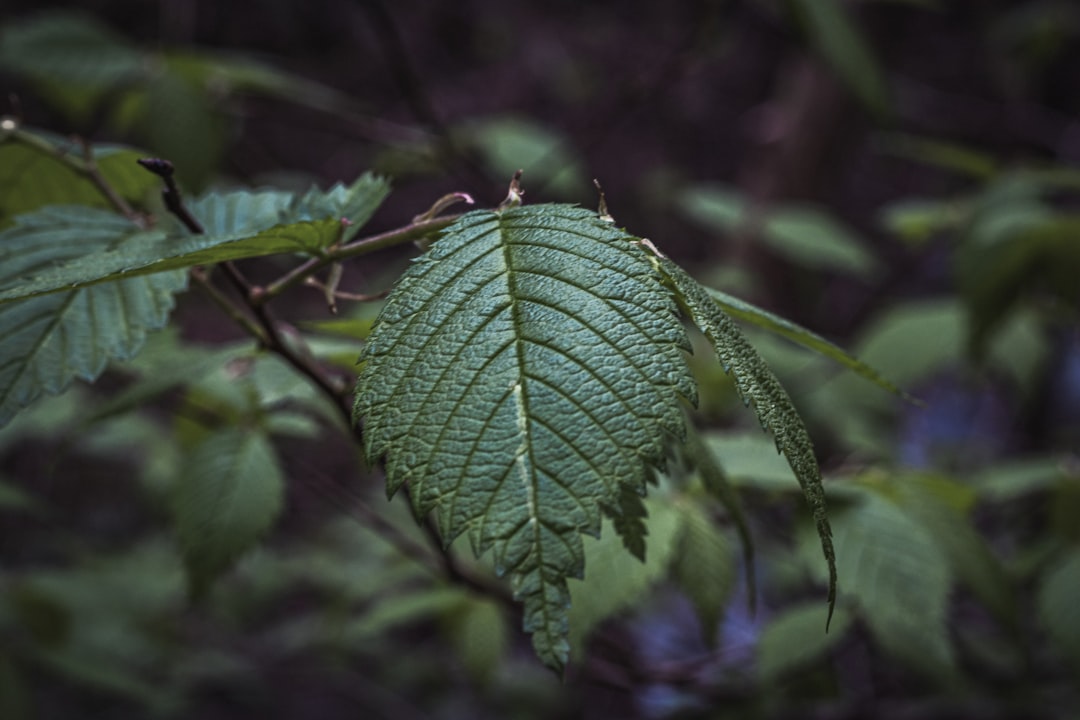
American elm (Ulmus americana) is a large deciduous tree that was historically one of the most common urban shade trees in the United States before Dutch elm disease devastated populations in the mid-20th century. Surviving specimens and disease-resistant cultivars are found throughout Central Texas. American elm pollinates in late February and March, producing small clusters of flowers before the leaves emerge. The pollen overlaps with the tail end of cedar season and the beginning of oak season, meaning patients allergic to American elm experience those early spring symptoms that they often attribute entirely to cedar and oak.
Cedar elm (Ulmus crassifolia) is native to Central Texas and is one of the most common elm species in the region. Unlike most elms, cedar elm flowers in late summer and fall, typically from August through October. Its pollination coincides with ragweed season, which means cedar elm pollen adds to the fall allergen load. Patients who are allergic to both ragweed and cedar elm experience compounded symptoms during the September-October overlap that they may attribute solely to ragweed.
Winged elm (Ulmus alata) and Siberian elm (Ulmus pumila) are also present in the area. Siberian elm is an introduced species commonly planted as a fast-growing shade tree. It pollinates in early spring. Each elm species has slightly different allergenic protein profiles, though there is significant cross-reactivity between them, meaning allergy to one elm species often confers sensitivity to others.
Why elm is the "hidden" allergen
Elm pollen is genuinely allergenic and triggers the same IgE-mediated nasal and airway inflammation as cedar or oak. The reason it does not get the same recognition is timing. Because American elm overlaps with cedar and oak, and cedar elm overlaps with ragweed, the elm contribution is masked by the more prominent allergen active at the same time.
A patient who develops congestion and sneezing in late February might attribute it entirely to residual cedar pollen or emerging oak pollen. The possibility that American elm is contributing would not occur to most people (or most primary care physicians). Similarly, a patient whose fall allergies seem unusually persistent through October might blame ragweed's long season, not realizing that cedar elm pollen is adding to the load.
The only reliable way to identify elm as a contributor is allergy testing. When patients come in thinking they are allergic to "cedar and oak, that's it," and we test them on the full Central Texas panel, it is common to find positive reactions to elm along with the expected cedar and oak. That additional positive changes the treatment plan because it means the tree pollen season extends beyond what cedar and oak alone would create.
Symptoms
Elm pollen allergy produces the same symptoms as other tree pollen allergies: nasal congestion, sneezing, clear runny nose, itchy eyes, post-nasal drip, and fatigue. There is nothing unique about elm allergy symptoms that would distinguish them from cedar or oak on clinical grounds. The differentiation comes entirely from the timing correlation with elm pollination and the confirmation through allergy testing.
What elm allergy does clinically is extend the total duration of tree pollen symptoms. A patient allergic to cedar only might have symptoms from December through February (three months). A patient allergic to cedar, oak, and American elm might have symptoms from December through April (five months). Add cedar elm sensitivity, and the fall window from August through October adds three more months. A patient allergic to cedar, American elm, oak, pecan, and cedar elm could have tree-pollen-driven symptoms for eight or nine months of the year, with only the dead of summer (June through July, when grass dominates instead) being tree-pollen-free.
Understanding this extended timeline helps explain why some Central Texas patients feel like their allergies never let up. It is not that one allergen is impossibly persistent. It is that multiple allergens hand off to each other throughout the year, and elm is one of the relay runners that many patients do not know about.
Testing
Elm is included in the standard Central Texas tree pollen skin prick testing panel at our clinic. We test for elm along with cedar, oak, pecan, and other regional trees. A positive reaction to elm extract confirms sensitization and, when correlated with symptoms during the appropriate season, identifies elm as a clinically relevant trigger.
Blood tests for elm-specific IgE are available as an alternative. Because there is cross-reactivity between elm species and some cross-reactivity with other tree pollen families, a positive elm test in a patient with multiple tree pollen sensitivities is common and expected. The clinical relevance is confirmed by the symptom pattern: if your symptoms extend beyond what cedar and oak alone would explain (persisting into April after oak peaks, or present in September-October in addition to ragweed season), elm is likely contributing.
Treatment
Continuous nasal steroid use
The most important treatment insight for patients with multiple overlapping tree pollen allergies (including elm) is that continuous nasal steroid use through the entire pollen period is more effective than starting and stopping between each individual pollen season. If you are allergic to cedar (Dec-Feb), American elm (Feb-Mar), oak (Feb-Apr), pecan (Apr-May), and grass (May-Sep), the nasal steroid should run continuously from December through September without interruption. Each gap in treatment allows nasal inflammation to return, and the next pollen's arrival hits an already-swollen nasal lining harder than it would have hit a pre-treated one.
For patients with cedar elm allergy adding a fall component, the nasal steroid coverage should extend through October. Patients who need year-round coverage (because ragweed runs through November and cedar starts again in December) may benefit from daily nasal steroid use all twelve months, which is safe for long-term use and is the most effective approach for maintaining low baseline nasal inflammation.
Immunotherapy
Elm pollen is included in immunotherapy formulations for Central Texas patients. The treatment mix typically contains extracts from cedar, oak, elm, pecan, grass pollens, ragweed, dust mites, mold, and other relevant allergens based on the individual patient's test results. By addressing all allergenic triggers in a single treatment regimen, immunotherapy reduces the immune system's reactivity across the entire year rather than targeting one season at a time.
Over three to five years, the overall allergic burden decreases and the extended symptom period driven by sequential, overlapping pollens becomes shorter and milder. Patients who previously had symptoms nine months of the year may find that immunotherapy reduces that to six months of mild symptoms and three months of moderate, or even less. The benefit accumulates across all the allergens included in the treatment.
Environmental measures
The same strategies that work for other tree pollens apply to elm: closed windows during pollination, checking daily pollen counts at allergywaco.com, showering after outdoor time, nasal saline irrigation, and HEPA air purifiers in the bedroom. During the American elm pollination window in February and March, these measures complement the tail-end cedar avoidance and the beginning of oak avoidance. During cedar elm pollination in September and October, they complement ragweed avoidance.
The bigger picture: why comprehensive testing matters
Elm pollen allergy is almost never someone's only allergy in Central Texas. It is one piece of a multi-allergen puzzle that usually includes cedar, oak, grass, ragweed, dust mites, and often mold and pet dander. The value of identifying elm specifically is that it explains symptom patterns that do not quite fit the major pollen seasons and ensures that the immunotherapy formulation covers the full range of your triggers.
If you have been treated for allergies based on the assumption that cedar and oak are your only tree pollen problems, but your spring symptoms persist into May or your fall symptoms seem worse than ragweed alone should explain, elm could be the piece you are missing. Comprehensive testing that includes the full Central Texas panel reveals the complete picture and allows a treatment plan that actually matches your allergy profile. We have been measuring local pollen counts and treating allergies in this region for over 45 years, and the patients who do best are the ones whose treatment plan covers all of their triggers, not just the ones they guessed about.
Elm in urban and suburban landscapes
Elm trees are common in the urban landscape of Waco and surrounding communities. Cedar elm in particular is a popular choice for street plantings, parks, and residential yards because it is drought-tolerant, fast-growing, and provides good shade. This means that elm pollen exposure in developed areas is often higher than what a regional pollen count would suggest, because the trees are concentrated in the spaces where people live and spend time outdoors.
If you have large elm trees in your immediate yard or along your street, your local exposure during pollination may be substantially higher than the citywide ambient measurement. This is relevant for patients whose symptoms seem worse than the reported pollen count would justify. The tree right outside your window may be producing a local concentration that the pollen counting station three miles away does not capture.
For patients considering landscaping choices, being aware that cedar elm pollinates in fall and American elm pollinates in late winter helps inform decisions. If you have severe fall allergies from ragweed and you are choosing shade trees for your property, a non-elm option (live oak, bald cypress, Mexican sycamore) avoids adding another allergen to your immediate environment during an already challenging season. This does not eliminate elm pollen exposure from the broader environment, but it reduces the highest-concentration source.
Elm cross-reactivity with other trees
Elm pollens share allergenic protein families with pollens from other tree species, particularly within the order Rosales and through universally distributed proteins like profilins and polcalcins. This cross-reactivity means that a positive elm test often occurs alongside positive tests for other trees. The clinical significance is that treating the cross-reactive protein response (through immunotherapy that includes elm along with other trees) addresses the shared immune pathway rather than requiring separate treatment for each tree species.
There is also some data suggesting cross-reactivity between elm pollen and certain foods through the profilin pathway, though this is less well-documented than the oak-apple or ragweed-melon cross-reactions. Patients with elm pollen allergy who notice oral symptoms with certain raw fruits during elm pollination season should mention it during their allergy consultation, as it may represent a pollen food syndrome component that the elm sensitization contributes to.
When to suspect elm allergy
Consider elm allergy if your late winter symptoms (February-March) seem more intense than cedar alone would explain, especially if cedar is waning but your symptoms are not improving as expected. Consider it if your fall symptoms (August-October) seem worse or longer-lasting than ragweed alone would predict. Consider it if comprehensive allergy testing reveals elm positivity that was not previously known, which then explains a symptom pattern that did not quite fit the cedar-oak-ragweed timeline.
The fix is simple: include elm in your treatment plan. For medications, this means extending nasal steroid coverage through the elm pollination windows rather than stopping when cedar or oak ends. For immunotherapy, it means including elm extract in the formulation. For environmental management, it means awareness that elm pollen is in the air during these transitional periods and that your standard pollen avoidance measures should remain in place.
Elm is not the most dramatic allergen in Central Texas. But it is one of the most commonly overlooked, and identifying it completes the picture for patients who have been partially treated because their full allergen profile was not known. Testing reveals what guessing cannot.
Elm and the atopic patient's year-round burden
For atopic patients in Central Texas who are sensitized to multiple tree pollens, elm's contribution is best understood as part of a relay. Cedar runs from December through February. American elm and oak pick up in February through April. Pecan extends into May. Cedar elm returns in August through October. The relay means that a patient allergic to all of these tree species has tree pollen exposure for roughly ten months of the year, with only June-July (dominated by grass instead) and November (post-frost, pre-cedar) being tree-pollen-free.
Understanding this relay changes how we think about treatment. Rather than treating each tree pollen as a separate problem with its own start and stop dates for medication, the approach for multi-tree-allergic patients is continuous coverage from December through October (or year-round if dust mites add a perennial component). Nasal steroids used continuously avoid the inflammation rebound that occurs when stopping and restarting between each tree's season. Immunotherapy that includes elm along with cedar, oak, and pecan in the formulation addresses the entire relay rather than just the most dramatic legs of it.
Elm is the relay runner that most patients do not know about. It does not generate headlines like cedar or visible pollen coatings like oak. But it fills gaps in the pollen calendar that would otherwise give the nasal lining a chance to recover, and by filling those gaps, it extends the period of continuous inflammation that drives symptoms and complications. Identifying it and including it in the treatment plan is one of those details that separates an adequate allergy management approach from a thorough one.
If you have been partially treated for allergies and still feel like your symptoms persist longer than your known allergens should explain, ask about elm. It may be the missing piece that finally makes the timing of your symptoms make sense.