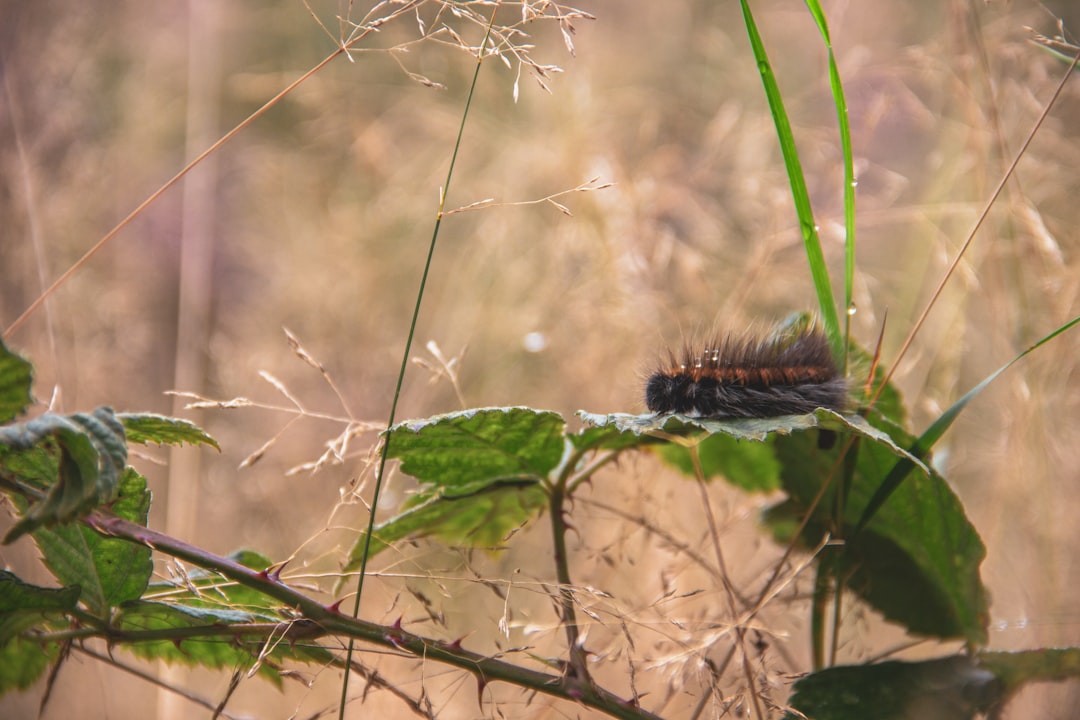




Summer in Central Texas means backyard barbecues, Friday night football, afternoons at Cameron Park, and for a significant number of people, months of sneezing, congestion, and itchy eyes that make all of those outdoor activities miserable. Grass pollen is the dominant warm-season allergen in the Waco area, and because Texas has several grass species that pollinate on overlapping schedules, the season stretches from May all the way through September. If your allergies are fine in winter and spring but fall apart once summer arrives, grass pollen is very likely the cause. And if your worst days happen after mowing the lawn, that is about as clear a signal as allergies can give you.
Key takeaways
- Bermuda grass, Johnson grass, and Bahia grass are the primary grass allergens in Central Texas, pollinating from May through September with peaks in June and July
- Grass pollen counts are highest in the early morning hours, and mowing the lawn is one of the most concentrated exposure events for grass-allergic patients
- Grass pollen cross-reacts with tomatoes, melons, oranges, and other foods through pollen food syndrome, which may explain why certain foods bother you only during summer
Grass pollen in Central Texas
Central Texas is home to multiple grass species that produce allergenic pollen, and understanding which grasses are present helps explain why the season is so long and the symptoms so persistent.
Bermuda grass (Cynodon dactylon) is the most widespread allergenic grass in the region. It is the standard lawn grass throughout Central Texas, planted in yards, parks, athletic fields, and commercial landscapes. It is also one of the most potent grass allergens. The pollen is produced in small seed heads at the top of the grass blades and released when the seed heads mature and are disturbed by wind, mowing, or foot traffic.
Johnson grass (Sorghum halepense) is a tall, aggressive perennial grass that grows along roadsides, in ditches, along fence lines, and at the margins of agricultural fields. It is considered an invasive weed in Texas and produces large quantities of pollen over a long season. Johnson grass pollen is highly allergenic and is one of the most commonly positive grass allergens on skin testing panels for Central Texas patients.
Bahia grass (Paspalum notatum) is less prominent in the Waco area than in the Gulf Coast region but is present and contributes to the overall grass pollen load. Timothy grass, Kentucky bluegrass, and ryegrass are less common in Central Texas lawns (they prefer cooler climates) but may be present in seed mixes and can cross-react with Bermuda and Johnson grass on an immunological level, meaning sensitivity to one grass often comes with sensitivity to others.
Unlike tree pollens that come from individual trees you can identify and sometimes avoid, grass pollen is produced by vast expanses of ground cover across the entire landscape. Every lawn, every park, every roadside verge, every pasture is a potential pollen source. There is no equivalent of removing a single problematic tree. Grass is everywhere, and the pollen is unavoidable during the active season.
When grass pollen peaks
Grass pollination in Central Texas typically begins in early May as temperatures rise and days lengthen, triggering the reproductive cycle in warm-season grasses. Counts build through May and peak in June and July, when hot, dry, windy days can push pollen counts to high or very high levels. August and September bring a gradual decline as the grasses complete their reproductive cycle, though scattered mowing and favorable weather can maintain moderate counts into early fall.
Daily pollen release follows a consistent pattern. Grass pollen is released primarily in the early morning hours, between approximately 5 AM and 10 AM. The anthers (pollen-producing structures) open as the morning sun heats and dries them, releasing their pollen into the air. Wind carries the pollen away from the source. By mid-afternoon, much of the morning's pollen has settled or dispersed. Counts tend to be highest on warm, dry, breezy mornings and lowest on cool, rainy, or still days.
You can track daily grass pollen counts at allergywaco.com, where a certified in-house pollen counter measures what is actually in the local air. This data helps you plan outdoor activities around lower-count periods and anticipate days when symptoms are likely to be worse.
Symptoms of grass pollen allergy
Grass pollen allergy produces the classic allergic rhinitis symptom profile: sneezing (often in fits triggered by outdoor exposure), nasal congestion, clear watery nasal discharge, itchy nose, itchy palate (the roof of the mouth), itchy watery eyes, and post-nasal drip. The symptoms are indistinguishable from other pollen allergies based on presentation alone. What distinguishes grass allergy is the timing: if your symptoms start in May, peak in June and July, and resolve by October, grass pollen is the primary suspect.
Several features of grass allergy are worth noting specifically.
The mowing connection
Mowing the lawn is one of the highest-exposure activities for grass-allergic patients. The mower blade cuts through grass that is actively pollinating, releasing pollen directly into the air at face level. It also releases grass sap, plant debris, dust, and mold spores from the cut material, creating a concentrated burst of multiple allergens and irritants in the immediate breathing zone. Patients who mow their own lawn often report that their worst allergy days coincide with mowing days, even if the ambient pollen count that day is only moderate.
If you are significantly grass-allergic, having someone else mow (a family member who is not allergic, or a lawn service) removes one of your highest-exposure events from the routine. If you must mow yourself, wearing an N95 mask reduces pollen inhalation substantially. Timing the mow for late afternoon (after the morning pollen peak has passed) and showering and changing clothes immediately after also help reduce the cumulative exposure.
Grass contact dermatitis
Some grass-allergic patients develop skin reactions from direct grass contact. Sitting on a lawn, lying on the grass for a picnic, rolling in grass during sports, or walking barefoot through grass can cause redness, itching, and hives on the skin that touched the grass. This can be a true IgE-mediated contact urticaria (hives from the grass allergen contacting the skin) or an irritant reaction to grass sap and fine plant material. Both produce the same result: itchy, red skin limited to the contact area.
This is relevant for children who play on grass, athletes who practice on natural turf, and anyone who enjoys sitting in parks or on lawns during the summer months. Wearing long pants, using a blanket as a barrier, and showering promptly after grass contact can reduce the skin symptoms.
Grass pollen and asthma
Grass pollen is a common asthma trigger in Central Texas. Patients with allergic asthma may notice wheezing, chest tightness, coughing, and shortness of breath during grass season, particularly during or after outdoor exercise. The combination of high grass pollen counts and physical exertion increases the volume of allergen-containing air inhaled per minute, overwhelming the airway's defenses and triggering bronchospasm.
For summer athletes, outdoor workers, and people who exercise outdoors regularly in Central Texas, grass pollen-triggered asthma is a practical problem that may require pre-exercise bronchodilator use (a rescue inhaler taken 15 minutes before exercise), adjustment of outdoor activity timing (exercising in the late afternoon rather than early morning), or moving exercise indoors on high pollen days.
Grass pollen food syndrome
Grass pollen shares protein structures (primarily profilins) with several common foods, creating pollen food syndrome in sensitized patients. When you eat one of these cross-reactive foods raw during grass season, your immune system mistakes the food protein for grass pollen and triggers a localized allergic reaction in the mouth and throat.
The foods most commonly associated with grass pollen cross-reactivity include tomatoes, melons (watermelon, cantaloupe, honeydew), oranges, peaches, and celery. The reaction is the same as other pollen food syndrome presentations: tingling, itching, and mild swelling in the lips, mouth, and throat that resolves within minutes. Cooking the food eliminates the reaction because the cross-reactive profilin proteins are heat-labile and denature at cooking temperatures.
The tomato connection is particularly relevant in Central Texas summer cooking. Fresh tomatoes in salads, salsa, and sandwiches are a summer staple, and grass-allergic patients may notice that these raw tomato dishes cause mouth symptoms during June, July, and August that do not occur at other times of the year. Cooked tomato products (pasta sauce, ketchup, canned tomato soup) are typically fine because the heat has destroyed the relevant protein.
Melon cross-reactions can overlap with ragweed pollen food syndrome (ragweed also cross-reacts with melons), so patients who react to cantaloupe from June through November may have both grass and ragweed pollen food syndrome with melons being a trigger from both pollen sources. Allergy testing for both grass and ragweed helps distinguish which pollens are involved.
Testing for grass pollen allergy
Skin prick testing for grass pollen is included in the standard Central Texas allergy evaluation. The testing panel at our clinic includes Bermuda grass, Johnson grass, and Timothy grass at minimum, covering the most clinically relevant species in the region. A positive reaction (a raised wheal at the test site) confirms IgE-mediated sensitization to grass pollen. The size of the wheal provides a rough indication of the degree of sensitivity.
Blood tests for grass-specific IgE are an alternative when skin testing cannot be performed (for example, in patients unable to stop antihistamines). Component-resolved diagnostics can test for IgE to specific grass proteins, which can be helpful for predicting whether sublingual immunotherapy tablets (which target specific grass allergen components) are likely to be effective for a particular patient.
Most patients tested for grass allergy are also tested for the full range of Central Texas allergens: cedar, oak, elm, ragweed, dust mites, mold species, cat, dog, and cockroach. This comprehensive panel is important because multiple sensitivities are the rule in Central Texas. A patient who discovers they are allergic to grass may also be sensitized to cedar, oak, and dust mites, which means their year-round allergy burden is much greater than grass alone. The treatment plan needs to account for all relevant triggers to provide adequate coverage across the full year.
Treatment
Starting medications before grass season
The most effective medication strategy begins one to two weeks before grass pollen season starts. In the Waco area, that means starting nasal corticosteroid sprays in late April. This lead time allows the anti-inflammatory effect to build up in the nasal tissue before significant pollen exposure begins, so your nose is pre-protected when counts climb in May.
Daily non-sedating antihistamines (cetirizine, fexofenadine, loratadine) during the season reduce sneezing, itching, and runny nose. Antihistamine eye drops (ketotifen, olopatadine) control the eye symptoms that grass pollen commonly triggers. Combining nasal steroids with oral antihistamines and eye drops provides coverage across all three primary symptom domains: nasal, ocular, and oral/palatal itching.
For patients who have both spring tree pollen allergies and summer grass allergies, the recommendation is to maintain nasal steroid use continuously from February (before oak season) through September (end of grass season) without stopping between seasons. The interruption allows inflammation to return, and restarting the medication requires another one to two week buildup period during which symptoms are uncontrolled. Continuous use provides seamless coverage through overlapping seasons.
Environmental measures
Keeping windows closed during grass season and running the air conditioning instead is one of the most effective ways to reduce indoor pollen exposure. The car AC should be set to recirculate mode rather than fresh air intake during the drive to work or school. Avoiding outdoor activities during peak morning pollen hours (before 10 AM) reduces exposure during the highest-count period of the day. Scheduling exercise for late afternoon, or moving it indoors on high count days, provides a practical compromise between staying active and managing symptoms.
Showering and changing clothes after extended outdoor time during grass season removes pollen from your hair, skin, and clothing before it transfers to indoor surfaces and bedding. If you have been working in the yard or exercising outdoors, shower before sitting on indoor furniture or lying on your bed to avoid contaminating your indoor environment with concentrated pollen from your body and clothes.
For lawn care specifically: if you are grass-allergic and maintain your own lawn, wearing an N95 mask during mowing is the single most effective protective measure. Mowing in the late afternoon rather than the morning reduces pollen exposure because most grass pollen has been released by that point. Using a mulching mower that chops clippings finely reduces the volume of airborne debris compared to side-discharge mowing. Immediate post-mow showering and clothing change removes the heavy pollen load from a mowing session.
Immunotherapy
For patients with significant grass allergy that affects their ability to enjoy summers in Central Texas, immunotherapy provides the most durable long-term improvement. Grass pollen is included in multi-allergen treatment formulations along with other relevant allergens identified during testing. Allergy shots gradually desensitize the immune system over three to five years, with success rates around 85 to 90 percent. Allergy drops (sublingual immunotherapy) are an alternative with efficacy at 75 to 85 percent.
Grass pollen sublingual tablets (Grastek, which contains Timothy grass extract, and Oralair, which contains a five-grass mix) are FDA-approved sublingual immunotherapy options specifically for grass allergy. They are taken daily at home, placed under the tongue, and allowed to dissolve. Clinical trials show significant reduction in grass allergy symptoms and medication use. For patients whose primary problem is grass pollen and who prefer home-based treatment over clinic visits for injections, these tablets are a convenient, evidence-backed option.
Immunotherapy benefits accumulate over time. Patients typically notice some improvement during their first grass season on treatment, with progressive improvement in subsequent seasons. By year three, most patients have achieved substantial symptom reduction. After completing the recommended treatment course (three to five years), the benefit usually persists for years, meaning you are not committing to treatment indefinitely.
Living with grass allergy in Central Texas
Grass pollen season in Central Texas coincides with the time of year when most people want to be outside. Summer barbecues, outdoor concerts, youth sports leagues, lake trips, hiking, gardening. All of these become challenging when the air is loaded with the allergen that makes you miserable. The frustration of having your favorite season be your worst allergy season is something we hear from patients constantly.
The goal of treatment is to let you participate in the things you enjoy during summer without the symptom burden that has been holding you back. Between medication timing, environmental awareness, and immunotherapy for patients who need long-term control, the tools are available to make grass allergy manageable. We have been treating grass allergy in Central Texas for over 45 years, and the patients who do best are the ones who approach summer proactively rather than reactively. Starting medications early, checking pollen counts, adjusting outdoor activity timing, and considering immunotherapy when seasonal measures are not enough. None of it is complicated. But doing it consistently is what makes the difference between a miserable summer and a manageable one.
Grass allergy testing may also reveal sensitivities to other warm-season allergens that overlap with grass season, including certain mold species that thrive during the warm, humid summer months. Identifying all contributing allergens helps build a treatment plan that covers the full spectrum of summer triggers rather than just the grass component.