


You notice it after a heavy rain. Your nose starts running, your eyes get scratchy, and there is a vague heaviness in your sinuses that was not there yesterday. Or maybe it has been worse for a while: you moved into a house with a musty smell in the master bathroom, and your allergies have been terrible ever since. Mold is one of those allergens that people know about in the abstract but rarely think about when their symptoms flare. In Central Texas, the combination of humidity, warm temperatures, and seasonal rain patterns creates ideal conditions for mold growth both indoors and out. For sensitized patients, mold exposure can drive year-round symptoms and, in some cases, severe asthma attacks that are more dangerous than what most other allergens produce.
Key takeaways
- Mold thrives in Central Texas due to sustained humidity, and triggers allergy and asthma symptoms through airborne spore inhalation
- Alternaria mold has been linked in epidemiological studies to severe asthma attacks and asthma-related deaths, making mold-triggered asthma particularly important to identify and control
- Indoor mold control starts with moisture: fix leaks, maintain humidity below 50 percent, improve ventilation in bathrooms and kitchens
What mold allergens are
Molds are fungi that reproduce by releasing microscopic spores into the air. These spores range from 2 to 10 microns in diameter for most clinically relevant species, small enough to stay airborne for hours and small enough to penetrate into the lower airways when inhaled. The proteins on the spore surface are what trigger the allergic response. When a sensitized person breathes in mold spores, the IgE antibodies on mast cells in the nasal lining and airways recognize the mold proteins and initiate the same inflammatory cascade that other allergens trigger: histamine release, tissue swelling, mucus production, and if the lower airways are involved, bronchospasm.
The mold species that matter most clinically in Central Texas are Alternaria alternata, Cladosporium herbarum, Aspergillus fumigatus, and Penicillium species. Each has different growth preferences and seasonal patterns, but Alternaria stands out as the single most important mold allergen for allergists. It is the most common outdoor mold in temperate climates, one of the most potent airborne allergens overall (comparable to cat dander and dust mites in allergenicity), and the mold most consistently linked to severe asthma outcomes in research studies.
Outdoor mold
Outdoor mold grows on decaying organic material: fallen leaves, dead grass, rotting wood, soil, compost piles, mulch, and agricultural debris. Spore counts increase after rain because moisture promotes both growth and sporulation (the release of new spores). Warm, humid days following rain are typically the highest outdoor mold count days. Wind carries spores across long distances, and activities that disturb decaying material (raking leaves, turning compost, mowing through patches of dead grass) release concentrated bursts of spores into the immediate breathing zone.
In Central Texas, outdoor mold is present year-round but peaks during certain periods. Spring and early summer bring warm, wet conditions that accelerate growth. Summer thunderstorms produce post-rain mold surges. Fall is particularly significant because falling leaves create thick layers of decaying organic substrate on the ground, and the mild Texas fall temperatures keep mold actively growing and sporulating through November. Winter brings the lowest outdoor mold counts, though mild winters in Central Texas mean mold never goes completely dormant.
Indoor mold
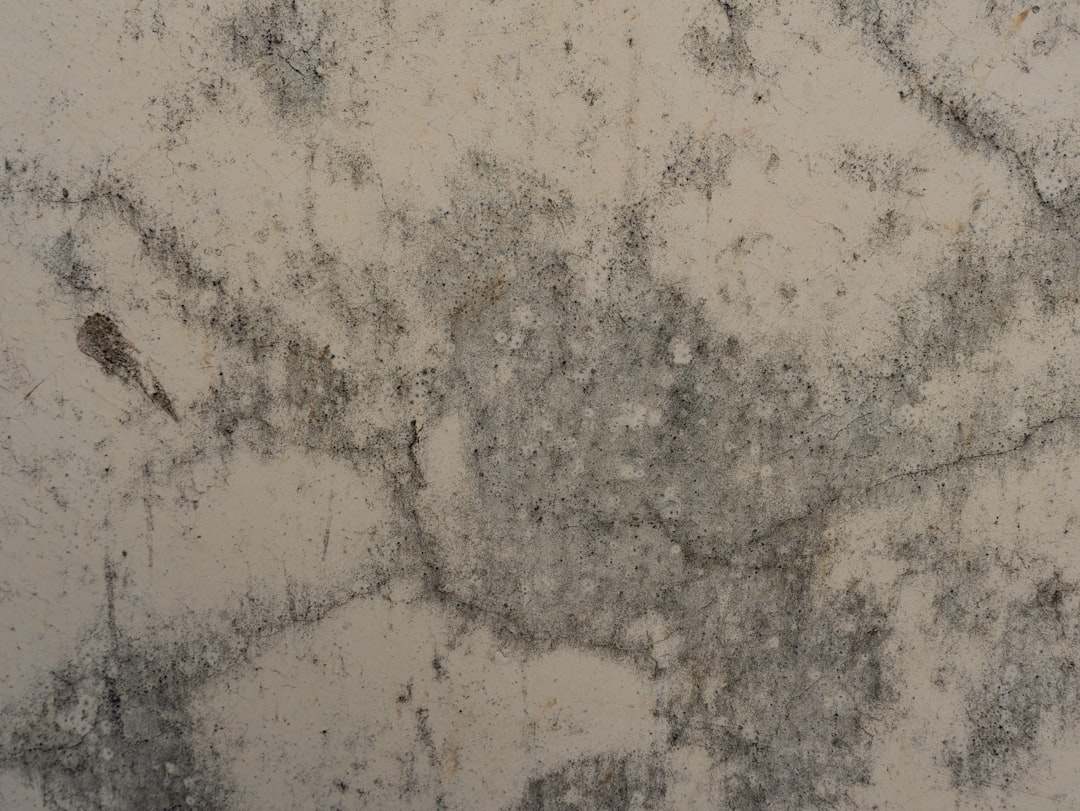
Indoor mold grows wherever there is moisture and organic material. The most obvious locations are bathrooms (grout lines, shower curtains, caulking around tubs and showers, under sinks) and kitchens (under the kitchen sink, around the dishwasher, behind the refrigerator where condensation collects). Less obvious but potentially significant sources include inside walls where pipes leak slowly, around window frames where condensation accumulates, in HVAC ductwork where condensation from the air handler creates moisture, in clothes washer gaskets (particularly front-loading machines), in attic spaces with inadequate ventilation, in crawl spaces and basements, and in any area that has experienced water damage from flooding, roof leaks, or plumbing failures.
Indoor mold can be present in significant quantities without being visible. Mold growing inside wall cavities, under flooring, or in HVAC ducts may produce enough airborne spores to trigger symptoms without any visible evidence of growth. A musty or earthy smell in a room is often the first clue that hidden mold is present.
Why Central Texas is a mold problem area
Several geographic and climate factors make the Waco area particularly favorable for mold growth. The average relative humidity in the Waco area exceeds 60 percent for much of the year, well above the threshold that supports active mold colonization. Summer temperatures accelerate mold metabolic rates and spore production. The region receives substantial rainfall from spring through fall, with frequent thunderstorms that provide periodic soaking events promoting both outdoor proliferation and indoor moisture intrusion.
Air conditioning, while providing some indoor humidity control, creates its own mold-friendly environments. The evaporator coil and condensate drain pan in HVAC systems generate significant moisture. If the drain line is clogged or the drain pan does not empty properly, standing water in the air handler becomes a mold incubator that distributes spores through the ductwork throughout the house. In Central Texas, where AC systems run for most of the year, this is a common and often overlooked source of indoor mold exposure.
The housing stock in Central Texas also plays a role. Slab-on-grade construction (common in the area) can develop moisture migration through the slab during wet seasons. Pier-and-beam houses with crawl spaces can accumulate moisture underneath. Older homes may have less effective moisture barriers and ventilation. New construction with tight building envelopes can trap moisture if ventilation is inadequate. Each construction type has its own mold risk profile.
Thunderstorm asthma
This is a phenomenon worth understanding for mold-allergic patients in Central Texas, where thunderstorms are common from spring through fall. During thunderstorms, strong downdrafts bring concentrated mold spores (particularly Alternaria) from high altitude down to ground level. Additionally, the high humidity and osmotic changes during the storm can cause mold spores to rupture, releasing submicroscopic allergenic fragments called subpollen particles. These fragments are smaller than 5 microns, small enough to bypass the nose's filtering mechanisms and penetrate deep into the lower airways, where they trigger intense bronchospasm.
Epidemiological studies have documented significant spikes in emergency department visits for asthma during and immediately after thunderstorms, with the strongest association seen in patients sensitized to Alternaria mold. The most dramatic example was a thunderstorm asthma event in Melbourne, Australia in 2016 that overwhelmed emergency services with thousands of simultaneous asthma attacks. Central Texas thunderstorm season overlaps with the months of highest mold counts, making this a real and practical risk for local patients with mold allergy and asthma.
Symptoms of mold allergy
Mold allergy produces the standard allergic rhinitis symptoms: nasal congestion, sneezing, runny nose, itchy and watery eyes, and post-nasal drip. Compared to pollen allergies, mold allergy often has a somewhat different symptom emphasis. Congestion tends to be more prominent relative to sneezing. The congestion often feels "heavy" and is sometimes accompanied by sinus pressure, particularly during prolonged exposure to damp environments. Post-nasal drip and chronic throat clearing are common complaints.
The timing of symptoms helps identify mold as the trigger. Symptoms that worsen after rain, during humid weather, when doing yard work involving leaves or mulch, in damp buildings, or in specific rooms of the house (bathroom, basement, laundry room) point toward mold. Patients who feel better when traveling to dry climates and worse when returning home may have indoor mold exposure that their home environment sustains. Unlike pollen allergies that have clearly defined seasons, mold allergy often produces a persistent low-level symptom burden with intermittent worsening based on weather and exposure patterns.
Mold and asthma
This is where mold allergy becomes especially serious. Mold-triggered asthma can be severe and, with Alternaria specifically, potentially life-threatening. Wheezing, coughing, chest tightness, and shortness of breath may be triggered by entering damp environments, spending time in basements or crawl spaces, yard work involving mulch or decaying leaves, or simply being outdoors on high mold count days after rain.
Multiple epidemiological studies have established a specific association between Alternaria sensitization and severe asthma outcomes. A landmark study published in the New England Journal of Medicine found that Alternaria sensitization was the strongest independent risk factor for respiratory arrest in young adults with asthma. This is why we screen all asthma patients for mold sensitization during their allergy evaluation. If Alternaria allergy is identified in a patient with asthma, the management plan needs to account for it specifically.
The thunderstorm asthma phenomenon described earlier adds another layer of risk. During and after thunderstorms in mold season, patients with mold-triggered asthma should have their rescue inhaler accessible and should consider staying indoors if possible. Patients with a history of severe mold-triggered asthma exacerbations should have an asthma action plan that accounts for thunderstorm risk during high mold count periods.
Testing for mold allergy
Skin prick testing with extracts from common mold species identifies sensitization quickly and accurately. A standard mold panel at our clinic includes Alternaria, Cladosporium, Aspergillus, and Penicillium, covering the most clinically significant species in the Central Texas environment. Blood tests for mold-specific IgE are an alternative when skin testing cannot be performed. Component-resolved diagnostics for specific mold proteins (such as Alt a 1 for Alternaria) can provide more precise information about which mold proteins you react to, which occasionally influences treatment decisions.
A positive mold test combined with a clinical history that fits mold exposure patterns (symptoms worsening in damp environments, after rain, during fall leaf season, or in specific rooms of the house) confirms mold as a clinically relevant trigger. If symptoms seem primarily related to time spent in a particular building or room, that space may have hidden mold warranting professional inspection.
We also test for the full range of Central Texas allergens during the same evaluation, because most mold-allergic patients are also sensitized to pollens, dust mites, or animal dander. Knowing the complete allergen profile allows a treatment plan that covers all relevant triggers rather than addressing mold in isolation.
Reducing mold exposure
Indoor moisture control
Mold cannot grow without moisture. Eliminating moisture sources is more effective than killing existing mold, because as long as moisture persists, mold will regrow on any treated surface. The practical steps are straightforward but require attention. Fix all plumbing leaks promptly, even small ones. Ensure roof and window seals are intact. Use exhaust fans in bathrooms during and for 15 to 20 minutes after showers. Use a range hood or exhaust fan in the kitchen when cooking. Vent clothes dryers to the outside (never into an interior space). Keep indoor relative humidity below 50 percent, using a dehumidifier in problem areas during humid months. Monitor humidity with an inexpensive hygrometer placed in the rooms where moisture is highest.
HVAC maintenance is particularly important in Central Texas. Have the system inspected annually, with specific attention to the evaporator coil, condensate drain line, and drain pan. A clogged condensate drain is one of the most common causes of hidden mold in Texas homes. Replace air filters regularly (every 30 to 90 days depending on the filter type) and consider upgrading to a MERV 11 or higher filter that captures mold spores circulating through the system. If you notice a musty smell coming from the vents, have the ductwork inspected and cleaned.
Remediation of visible mold
Small areas of visible mold (less than about 10 square feet) on hard surfaces can be cleaned with dilute bleach solution, commercial mold cleaners, or white vinegar. Scrub the surface, let the cleaning agent sit for 10 to 15 minutes, then rinse and dry thoroughly. Porous materials that are heavily contaminated with mold (drywall, carpet padding, ceiling tiles, insulation) often cannot be fully cleaned because the mold grows into the material. These may need to be removed and replaced.
For significant mold problems (large areas, hidden mold behind walls, post-flooding contamination), professional mold remediation is recommended. Professional remediators have equipment to contain the mold during removal (preventing spore spread to unaffected areas), remove contaminated materials safely, and verify that the remediation was successful through post-treatment air sampling.
Outdoor mold avoidance
Outdoor mold is harder to control than indoor mold, but exposure can be reduced through practical measures. Avoid raking leaves, turning compost, or doing yard work involving mulch on high mold count days. If you must do yard work during mold season, wearing an N95 mask significantly reduces spore inhalation. Check local mold counts along with pollen counts at allergywaco.com to plan around the worst days. After yard work or outdoor activity during high mold periods, shower and change clothes to remove spores from your body and hair before settling into your home.
Medical treatment
Medications
Nasal corticosteroid sprays are first-line for mold-allergic rhinitis. Daily use during symptomatic periods (or year-round for patients with perennial symptoms) reduces the nasal inflammation that mold exposure produces. Non-sedating antihistamines help with itching and sneezing. Antihistamine eye drops address ocular symptoms. For patients with mold-triggered asthma, inhaled corticosteroids are the controller medication mainstay. The inhaled steroid dosing may need seasonal adjustment, with higher doses during peak mold months and lower maintenance doses during drier periods.
Immunotherapy
Mold immunotherapy is available and can reduce sensitivity to the specific mold species you react to. It is typically included in multi-allergen treatment formulations along with pollen, dust mite, and other relevant allergens identified during testing. The evidence is strongest for Alternaria and Cladosporium immunotherapy. Patients with mold-triggered asthma may benefit particularly from immunotherapy because reducing mold sensitivity can decrease the risk of severe asthma exacerbations driven by mold exposure.
Both allergy shots and sublingual drops can include mold extracts. The treatment follows the same general timeline as pollen immunotherapy: a buildup phase over several months, then maintenance injections or daily drops for three to five years. Improvement typically begins within the first year and continues to build over the treatment course.
Biologics for severe mold-triggered asthma
For patients with severe allergic asthma driven by mold sensitization that does not respond adequately to standard controller medications and immunotherapy, biologic therapies offer additional options. Omalizumab (Xolair) blocks IgE, reducing the immune response to inhaled mold spores. It is administered as an injection every two to four weeks. Other biologics targeting different parts of the allergic inflammatory pathway (dupilumab, mepolizumab, benralizumab) may be appropriate depending on the patient's specific inflammatory profile. These medications are available at specialized allergy clinics including ours for patients who meet prescribing criteria.
When to suspect mold in your home
Several clues suggest hidden indoor mold even when you cannot see it: a persistent musty or earthy smell in certain rooms or when the HVAC runs, allergy or asthma symptoms that are consistently worse at home and improve when you travel or spend time elsewhere, visible water stains on walls or ceilings (even if they appear old and dry), condensation regularly forming on windows, peeling or bubbling paint or wallpaper, warped or discolored baseboards, a history of flooding or water damage in the home, or a new onset of symptoms after moving into a different home.
If you suspect hidden mold, a professional mold inspection with air sampling can identify and quantify the problem. The inspector takes air samples inside the home and compares them to outdoor baseline samples. Elevated indoor mold spore counts relative to outdoor levels indicate an indoor mold source. The species identified in the air sample help locate the source (different molds grow in different conditions). The inspection results guide remediation and help determine whether indoor mold is a significant contributor to your allergy and asthma symptoms.
Mold allergy in Central Texas is a year-round consideration that does not fit neatly into the seasonal pollen calendar. The climate supports mold growth in ways that make complete avoidance impossible. But identifying your mold sensitivity through testing, controlling indoor moisture aggressively, and using appropriate medical treatment can keep symptoms manageable even during the worst mold periods. For patients with mold-triggered asthma, the stakes are higher than with most other allergens, and proactive management is not optional.