



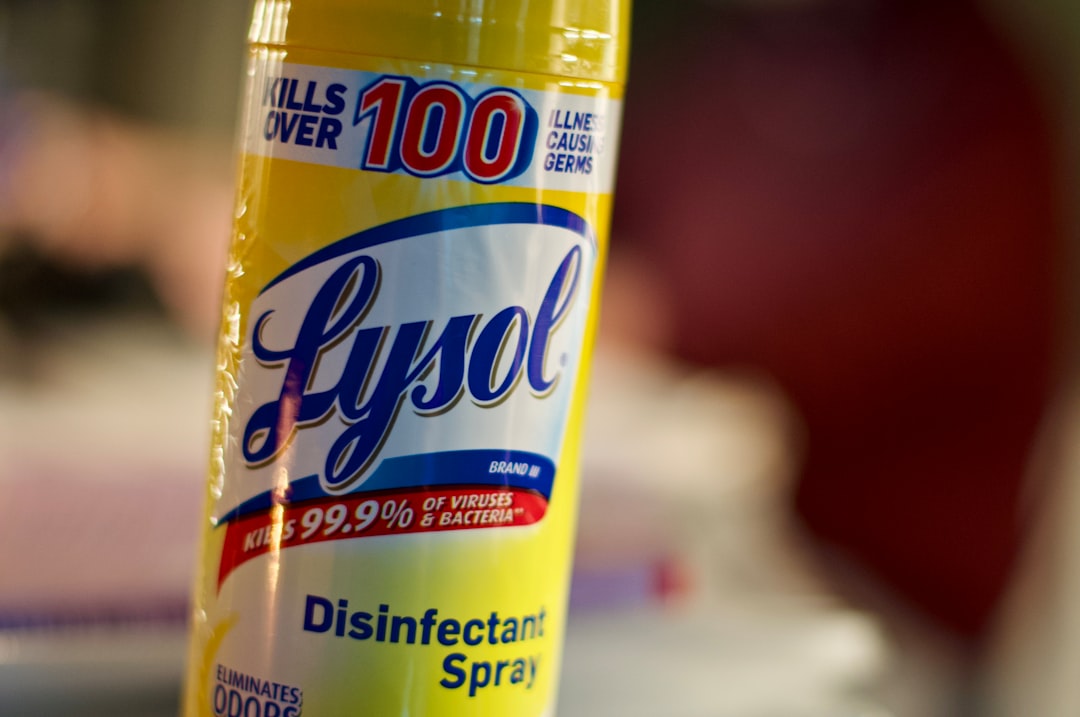
You walk into a freshly cleaned office and within minutes your head is pounding. A coworker's perfume triggers a coughing fit that lasts half an hour. New carpet smell makes you nauseous. Driving past a construction site with fresh asphalt leaves you dizzy and foggy for the rest of the afternoon. If small amounts of everyday chemicals, fragrances, and fumes cause symptoms that seem out of proportion to the exposure, you may be dealing with multiple chemical sensitivity. MCS is not a classic IgE-mediated allergy like pollen or dust mite allergy, but it frequently coexists with allergies, and untreated allergies can make chemical sensitivity worse. Understanding the connection is the first step toward managing both.
Key takeaways
- Multiple chemical sensitivity (MCS) causes real symptoms (headaches, nausea, breathing difficulty, brain fog) in response to low-level chemical exposures that do not bother most people
- MCS is not a classic IgE-mediated allergy but may involve neural sensitization, and it frequently coexists with and is worsened by allergic conditions
- Treatment focuses on reducing chemical exposures, managing coexisting allergies that lower the sensitivity threshold, and gradually rebuilding tolerance
What MCS is (and is not)
Multiple chemical sensitivity is a condition in which patients develop symptoms in response to low-level exposures to multiple unrelated chemical substances. The chemicals involved are typically found in everyday environments: fragrances in perfumes, lotions, and air fresheners. Volatile organic compounds (VOCs) from cleaning products, paint, new furniture, and building materials. Exhaust fumes. Pesticides. Cigarette smoke. Printing chemicals. Formaldehyde from pressed wood products. The defining characteristic is that the exposure level that triggers symptoms is well below the threshold that would affect most people. Your coworkers are fine in the same room. You are not.
MCS is not a classic allergy in the immunological sense. Standard allergy testing (skin prick tests, IgE blood tests) for chemical triggers is typically negative, because the reaction does not appear to be driven by IgE antibodies and mast cell degranulation the way pollen or food allergies are. This is part of why MCS has been controversial in medical literature: the symptoms are real and reproducible, but the mechanism does not fit neatly into established immunological categories.
The most widely discussed mechanistic theory is neural sensitization. The idea is that initial chemical exposures (sometimes at higher levels, such as during a renovation, a pesticide application, or a chemical spill) sensitize the nervous system's response to chemical stimuli. Once sensitized, the neural pathways that detect and react to chemical irritants become hyperactive, firing at much lower thresholds than normal. Subsequent low-level exposures trigger neurogenic inflammation, autonomic nervous system activation, and symptom cascades that include headache, nausea, dizziness, breathing difficulty, cognitive impairment, and fatigue.
This theory is supported by some research showing that MCS patients have altered brain activation patterns on functional MRI when exposed to chemical stimuli, and that they show heightened responses in brain regions involved in threat detection and sensory processing. But the research is not definitive, and other proposed mechanisms (altered xenobiotic metabolism, oxidative stress, psychological conditioning) have also been explored. The honest answer is that MCS is a real clinical phenomenon with a mechanism that is not yet fully understood.
Symptoms of MCS
MCS symptoms are diverse and can affect multiple organ systems, which is part of what makes the condition confusing for patients and clinicians alike.
Neurological symptoms are the most common: headaches (often described as pressure or throbbing that begins within minutes of exposure), dizziness, brain fog (difficulty concentrating, word-finding problems, feeling mentally sluggish), fatigue, and irritability. These are thought to reflect the neurogenic component of the sensitivity.
Respiratory symptoms include nasal congestion, sneezing, throat irritation, coughing, and in some patients, chest tightness and wheezing. These symptoms overlap with allergic rhinitis and asthma, which is one reason MCS patients sometimes believe they are "allergic to everything" when standard allergy tests come back negative for the chemicals they react to.
Gastrointestinal symptoms (nausea, abdominal discomfort) can occur with ingested or inhaled chemical triggers. Skin reactions (itching, flushing, tingling) are reported by some patients. Cardiovascular symptoms (heart palpitations, feeling faint) can accompany more severe exposure episodes.
The pattern that distinguishes MCS from other conditions is the reproducible multi-chemical trigger: symptoms are caused by multiple unrelated chemicals (not just one specific substance), at levels below what affects the general population, with rapid onset after exposure and resolution after the exposure ends or the patient moves to a clean environment.
The allergy-MCS connection
While MCS itself is not an IgE-mediated allergy, there is a significant overlap between MCS and allergic conditions. Many MCS patients also have allergic rhinitis, asthma, or eczema. The connection appears to be bidirectional.
Active allergies lower the threshold for chemical sensitivity. When your nasal lining is already inflamed from dust mite allergy or pollen exposure, the nerve endings in that tissue are more sensitive to all stimuli, including chemical irritants. A fragrance that you might tolerate during your low-allergy months becomes intolerable during pollen season because your nasal mucosa is already primed and reactive. Treating the underlying allergies can raise the threshold for chemical triggers, making MCS symptoms less severe.
Chemical irritants can also worsen allergic conditions. VOCs, fragrances, and smoke are non-specific airway irritants that exacerbate asthma and rhinitis. A patient with moderate allergic asthma who is also exposed to chemical irritants at work may have poorly controlled asthma not because their allergy treatment is inadequate but because the chemical exposures are maintaining airway inflammation on top of the allergic component. Addressing both the allergens and the chemical irritants is necessary for optimal control.
This bidirectional relationship is why allergy evaluation is valuable for MCS patients even though the chemicals themselves do not show up on allergy tests. Identifying and treating any coexisting allergies reduces the baseline inflammatory burden on the nasal and airway tissue, which can meaningfully reduce the severity of MCS symptoms.
MCS in Central Texas
The Central Texas environment presents some specific considerations for MCS patients. The hot climate means that buildings are sealed and air-conditioned for most of the year, which can concentrate indoor chemical exposures (VOCs from building materials, cleaning products, and furnishings off-gas into enclosed spaces). Agricultural chemical use (pesticides, herbicides) in the surrounding rural areas can produce intermittent outdoor chemical exposures that affect nearby residential areas. The construction boom in the Waco area means new buildings, fresh paint, new carpet, and construction-related chemical exposures are common in developing neighborhoods and commercial areas.
On the other hand, the Central Texas wind and open spaces can dilute outdoor chemical exposures more effectively than dense urban environments. And the relatively low industrial base in the Waco area means less industrial air pollution than in major metropolitan or petrochemical corridor areas. The MCS challenges in Central Texas tend to be more about indoor air quality, agricultural chemicals, and new construction materials than about heavy industrial exposure.
Diagnosis
There is no single definitive diagnostic test for MCS. The diagnosis is clinical, based on a characteristic pattern of symptoms triggered by multiple unrelated chemicals at concentrations below what affects most people, with symptoms that are reproducible on re-exposure and that resolve when the exposure is removed.
The diagnostic process should include allergy testing to identify any coexisting IgE-mediated allergies (pollen, dust mites, mold, pet dander) that may be contributing to nasal and airway inflammation and lowering the chemical sensitivity threshold. Pulmonary function testing should be performed if respiratory symptoms are present, to evaluate for asthma or airway hyperreactivity that may be triggered or worsened by chemical exposures. A thorough occupational and environmental history identifies the specific chemicals and settings that trigger symptoms, which guides avoidance recommendations.
Other conditions that can mimic MCS should be evaluated and either confirmed (in which case they need their own treatment) or excluded. Allergic rhinitis, non-allergic rhinitis, asthma, migraine headaches (which can be triggered by chemical stimuli), and anxiety disorders can all produce symptoms that overlap with MCS. Some patients have MCS alone. Others have MCS combined with one or more of these conditions, and treating the comorbidities improves the overall picture even if the MCS component persists.
Management
Chemical exposure reduction
Reducing exposure to triggering chemicals is the foundation of MCS management. Practical steps include switching to fragrance-free personal care products (soap, shampoo, lotion, deodorant, laundry detergent). Using non-toxic, low-VOC cleaning products (vinegar, baking soda, and fragrance-free commercial options work well for most cleaning tasks). Avoiding air fresheners, scented candles, and plug-in fragrances. Choosing low-VOC paint and building materials for any home renovation. Ensuring adequate ventilation in living and working spaces (open windows when possible in low-pollen, low-mold periods, or use HVAC with effective filtration). Using a high-quality air purifier with activated carbon filtration (which adsorbs chemical vapors) in addition to HEPA (which captures particles).
Workplace accommodations may be necessary for patients whose MCS is triggered by occupational exposures. Under the Americans with Disabilities Act, employers are required to provide reasonable accommodations for employees with documented medical conditions. Common accommodations include fragrance-free workplace policies, relocation to an area with better ventilation, provision of an air purifier, flexibility to work from home when building maintenance (cleaning, painting, pest treatment) is occurring, and allowing use of a personal mask (N95 with carbon layer) when needed.
Treating coexisting allergies
If allergy testing reveals underlying allergic rhinitis, asthma, or other IgE-mediated conditions, treating these aggressively can reduce the overall inflammatory burden on the nasal and airway tissues, raising the threshold at which chemical exposures trigger symptoms. Nasal steroid sprays reduce baseline nasal inflammation, making the tissue less reactive to both allergenic and non-allergenic irritants. Inhaled corticosteroids for asthma reduce airway reactivity, making the lungs less susceptible to chemical irritant triggers. Immunotherapy for identified allergens reduces the immune system's contribution to the inflammatory baseline over time.
We have seen patients whose MCS symptoms improved meaningfully after allergy treatment, even though the chemicals themselves were not addressed by the allergy treatment. The mechanism is indirect: by reducing the allergic inflammation that primed the nasal and airway tissue for overreactivity, the tissue becomes less sensitive to chemical triggers as well. The chemicals still irritate, but the irritation does not escalate into the full MCS symptom cascade as readily.
Gradual tolerance building
For some MCS patients, very gradual, controlled re-exposure to triggering chemicals at extremely low levels can help rebuild tolerance over time. This is analogous in concept (though not in mechanism) to allergy immunotherapy: low-level, sustained exposure that gradually resets the sensitivity threshold. This approach should be guided by a clinician familiar with MCS and should not involve forcing exposures that provoke significant symptoms. The goal is sub-threshold exposure that the nervous system can process without triggering a full reaction, slowly expanding the tolerance range over months.
This is an area where the evidence is limited and individual responses vary widely. Some patients find that gradual re-exposure helps. Others find that any exposure worsens their sensitivity. The approach needs to be individualized and cautiously implemented.
Supportive measures
Adequate sleep, regular exercise (in a clean-air environment), stress management, and good nutrition support the nervous system's overall function and resilience. While none of these cure MCS, patients who are well-rested, physically active, and emotionally balanced generally report better tolerance of chemical exposures than when they are sleep-deprived, sedentary, and stressed. This is consistent with the neural sensitization model: a nervous system under less background stress has a higher threshold for all stimuli, including chemicals.
The legitimacy question
MCS has been a contested diagnosis in some medical circles, with debate about whether it is a distinct physiological condition or a manifestation of anxiety or somatization. This debate has been frustrating for patients who experience very real, reproducible symptoms and feel dismissed by providers who do not recognize the condition.
Our approach is pragmatic. The symptoms are real. They consistently correlate with specific chemical exposures. They impair function. Whether the mechanism is neural sensitization, altered metabolism, immune-mediated, or some combination does not change the fact that the patient needs help managing a condition that affects their daily life. We focus on what we can do: identify and treat any coexisting allergies that lower the sensitivity threshold, recommend practical exposure reduction strategies, support workplace accommodation when needed, and provide a clinical partnership that takes the symptoms seriously.
If you are reacting to chemicals, fragrances, or environmental agents in ways that seem out of proportion and that other people around you do not experience, you are not imagining it. Getting evaluated, including allergy testing to address any underlying allergic component, is a productive first step toward managing the condition and improving your tolerance and quality of life.
Workplace and daily life accommodations
For patients whose MCS affects their ability to work in conventional office environments, practical accommodations can make a significant difference. Requesting a workspace away from printers and copiers (which emit VOCs during operation), near a window or in a well-ventilated area, reduces baseline chemical exposure during the workday. A personal HEPA air purifier with an activated carbon pre-filter on your desk creates a local clean air zone. Fragrance-free workplace policies, while sometimes difficult to implement organization-wide, can be requested as a personal medical accommodation with documentation from your treating physician.
At home, the bedroom should be the cleanest room in the house from a chemical perspective. Use fragrance-free laundry products for all bedding. Avoid storing recently dry-cleaned clothing in the bedroom (perchloroethylene off-gases for days). Do not use scented candles, plug-in air fresheners, or essential oil diffusers in the bedroom. Keep the bedroom door closed when cleaning other parts of the house with any products that produce fumes. These measures create a low-chemical sleeping environment that allows your nervous system eight hours of recovery time each night, which improves your overall tolerance during the day.
New purchases warrant attention. New furniture, new carpet, new mattresses, and new vehicles all off-gas volatile organic compounds intensely for the first weeks to months. If possible, air out new furniture in a garage or well-ventilated space before bringing it into your main living area. Choose low-VOC or zero-VOC products when available. When buying a new car, drive with windows open or AC on fresh air for the first few weeks to clear the initial off-gassing that produces "new car smell" (which is actually a cocktail of dozens of volatile chemicals).
Travel presents unique challenges for MCS patients. Hotel rooms may have been cleaned with strong chemicals, sprayed with air freshener, or recently renovated. Requesting a room that has not been recently deep-cleaned or renovated, bringing your own pillow and pillowcase, and running the room's ventilation system for an hour before settling in can help. Air travel exposes you to recycled cabin air and whatever fragrances other passengers are wearing. An N95 mask with a carbon layer can reduce inhalation of chemical irritants during flights.
The social dimension of MCS deserves acknowledgment. Asking friends, family, and coworkers to modify their fragrance use feels awkward. Being the person who cannot enter certain stores, attend certain events, or tolerate certain environments creates isolation. Support from a clinician who takes your symptoms seriously, combined with practical strategies that demonstrably improve your tolerance, helps rebuild the confidence to engage with the world rather than withdrawing from it. The condition is real, it is manageable, and improvement is possible with the right approach.