



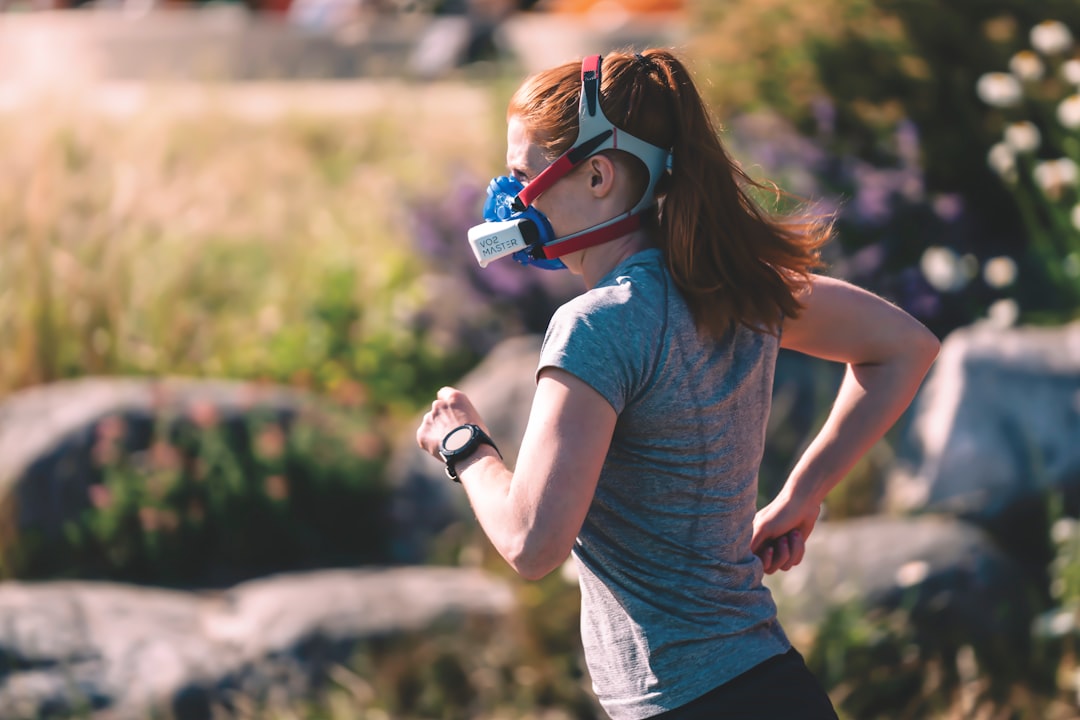
Patients describe it different ways. The high schooler who coughs through the second half of soccer practice. The recreational runner who wheezes 10 minutes into a run. The crossfit athlete who finishes a workout and cannot stop coughing for 20 minutes. The mechanism behind all of these is exercise-induced bronchoconstriction, and it is one of the most under-diagnosed conditions we see. People assume they are out of shape. Most are not. They have airway inflammation that responds to specific treatment, and the right approach lets most patients return to full athletic activity without symptoms.
Key takeaways
- Exercise-induced bronchoconstriction is airway narrowing triggered by exercise
- Most patients with exercise symptoms have underlying asthma
- Pre-exercise albuterol prevents most symptoms
- Treating underlying allergies reduces overall airway reactivity
- Most athletes return to full activity with the right treatment plan
Why exercise triggers it
During exercise, breathing rate increases dramatically and you switch from breathing through the nose to breathing through the mouth. Mouth breathing means dry, unfiltered, often cold air hitting the lower airways. In sensitive airways, this triggers bronchoconstriction. The airway narrows, mucus production increases, and the patient experiences wheezing, coughing, or chest tightness. Symptoms typically peak 5 to 15 minutes after stopping the exercise.
The dehydration mechanism
High respiratory rates during exercise pull moisture from the airway lining faster than the body can replace it. Dehydrated airway lining releases inflammatory mediators that cause bronchoconstriction in susceptible patients. The mechanism explains why cold dry air worsens symptoms (less ambient moisture) and why warm humid air is easier (more ambient moisture, less drying).
Why symptoms peak after exercise
During the exercise itself, sympathetic nervous system activation keeps airways open through bronchodilation. As exercise stops, the sympathetic drive falls and the inflammatory mediators released during the workout produce delayed bronchoconstriction. Patients commonly say they feel fine while running but cough heavily for 10 to 30 minutes afterward.
Allergies make it worse
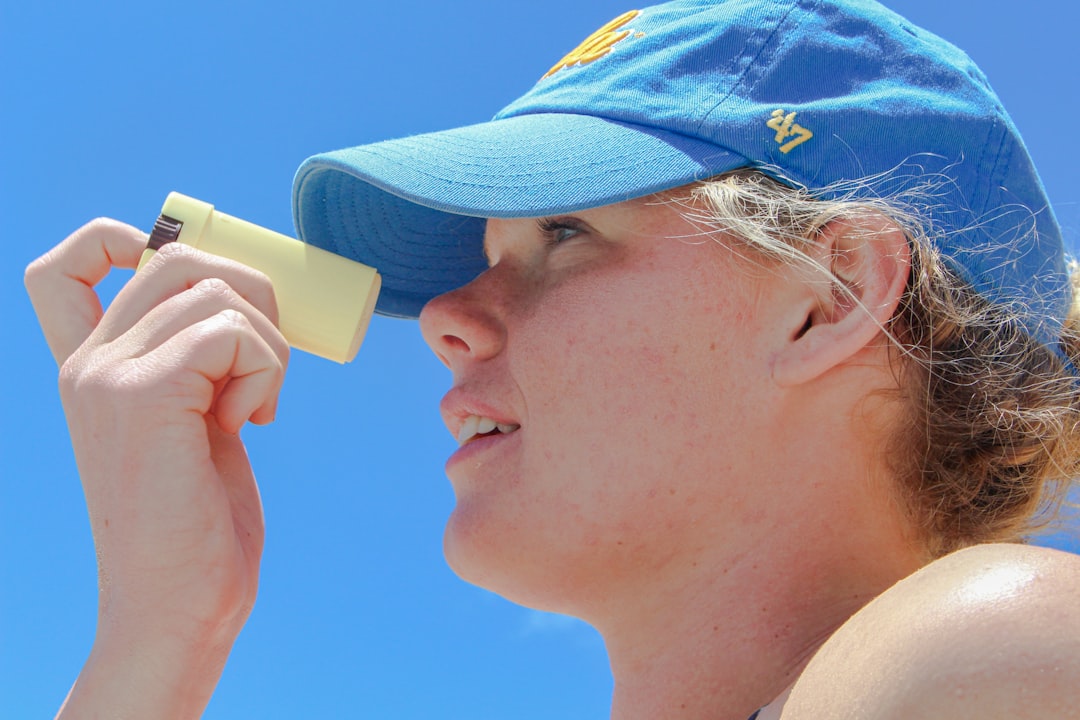
Exercise during pollen seasons, in dusty environments, or in places with high mold counts hits harder than exercise in clean indoor air. Patients with allergic rhinitis often have more reactive airways even when they do not have classic asthma. Treating the underlying allergic component (with nasal steroids, antihistamines, and sometimes immunotherapy) reduces overall airway reactivity and the severity of exercise symptoms. Our daily pollen count can help schedule outdoor training around the worst days.
The unified airway concept
The nose and lungs are connected by more than just shared anatomy. Allergic inflammation in the nose produces inflammatory mediators that reach the lungs through systemic circulation, lowering the threshold for bronchoconstriction. Treating allergic rhinitis routinely reduces asthma and exercise-induced symptoms even when the lungs were not the original concern. Read more about how allergies and asthma connect.
Cold weather considerations
Winter exercise outdoors is particularly hard on patients with exercise-induced bronchoconstriction. Cold dry air hits the airway, no time to humidify through the nose, and bronchoconstriction follows quickly. Winter athletes can use a face covering or buff that adds humidity and moderates inhaled air temperature. Indoor training during peak cold spells is often the better choice.
How exercise-induced bronchoconstriction is diagnosed
History is the starting point. Wheezing or coughing that consistently follows exercise, with or without other asthma symptoms, points to the diagnosis. Spirometry (a breathing test) shows airway function at baseline and after exercise. An exercise challenge in the office makes the diagnosis definitive when needed. We can also test for allergic triggers that may be making the exercise symptoms worse. Read more at our diagnosis and management page.
Spirometry pre and post
Standard spirometry measures forced expiratory volume in one second (FEV1) and other lung function metrics. A drop of 10 percent or more after exercise is diagnostic for exercise-induced bronchoconstriction. We can also measure response to a bronchodilator: significant improvement in FEV1 after albuterol confirms reversible airway obstruction characteristic of asthma.
When the test is normal but symptoms are real
Some patients have classic exercise-induced symptoms but normal spirometry on the day of testing. This is common because the airways are not actively constricted during the test. Methacholine challenge (a controlled provocation test) or exercise challenge with measurement before and immediately after can capture the reactivity. We use these when the diagnosis is unclear from standard testing.
Exercise-induced symptoms in kids vs adults
Children and adults present similarly but the workup differs slightly.
Pediatric exercise symptoms
Kids in sports often present with poor performance, fatigue, or "just not keeping up" rather than reporting wheezing directly. Parents and coaches notice the pattern before the kid does. Pediatric exercise challenge testing is feasible in our office for older children. For younger kids, history plus response to pre-exercise albuterol is usually sufficient diagnostic confirmation.
Adult-onset exercise symptoms
Adults who develop new exercise symptoms in middle age sometimes have actual asthma rather than just exercise-induced bronchoconstriction. Comprehensive pulmonary function testing distinguishes the two. Treatment overlaps but daily controller medication is often more important for adult-onset cases.
Treatment that lets you keep training
An albuterol inhaler 15 minutes before exercise is the cornerstone. Most patients can prevent symptoms entirely with this single step. For frequent exercisers (more than 3 to 4 times per week), daily controller medication (inhaled steroids, leukotriene modifiers like montelukast) reduces baseline airway reactivity and may eliminate the need for pre-exercise albuterol. Warm-up routines and breathing patterns help some patients.
Albuterol timing matters
Two puffs of albuterol 15 minutes before exercise is the standard protocol. Earlier than that, the medication can wear off mid-workout. Later than that, you may not get full bronchodilation by the time the workout starts. The 15 minute window is well-studied and reliable for most patients.
When daily controllers help
Patients exercising more than 3 to 4 times per week often benefit from daily inhaled steroids that reduce baseline airway inflammation. Once on a daily controller, the need for pre-exercise albuterol often decreases. Daily montelukast is another option, particularly for patients whose exercise symptoms have an allergic component. We discuss the right approach during the visit based on exercise frequency and symptom pattern.
Warm-up protocols
Refractory period training (a brief warm-up followed by 5 to 10 minutes of rest before the main workout) reduces exercise-induced bronchoconstriction in some patients. This works because a brief exercise stimulus produces an initial bronchoconstriction followed by a refractory period where the airways are less reactive for 1 to 3 hours. Athletes who can structure warm-ups this way sometimes manage with reduced medication.
What happens if exercise-induced bronchoconstriction is untreated
Untreated exercise symptoms have consequences beyond the immediate workout discomfort.
Athletic underperformance
Athletes who train through chronic bronchoconstriction never reach their actual potential. The aerobic capacity is reduced. Recovery is slower. The training stimulus does not produce the adaptation it should. Treating the underlying airway issue often produces dramatic performance improvement that patients had stopped expecting.
Progression to general asthma
Untreated exercise-induced symptoms can progress to more general asthma over time. The chronic airway inflammation reshapes airway tissue. Catching exercise-induced bronchoconstriction early and treating it may prevent later progression to year-round asthma.
Avoidance of exercise entirely
Some patients with untreated exercise symptoms simply stop exercising. The downstream cardiovascular and metabolic costs of inactivity are substantial. Treating the airway issue removes the barrier and lets patients build the exercise habit that supports long-term health.
Specific sports considerations
Some sports are particularly hard on exercise-induced bronchoconstriction. Long-distance running in cold weather. Swimming in heavily chlorinated indoor pools. Cycling on roads with high pollen exposure. Outdoor team sports during pollen peaks. Each has its own optimization: face coverings for cold-weather running, nose breathing during warmups, scheduling training around pollen counts.

Long-term outlook
Exercise-induced asthma usually responds well to treatment and most patients return to full athletic activity. Untreated, it can progress to more general asthma over time. Treated, it is one of the most controllable forms of airway disease we manage. We have helped countless Central Texas athletes from high school through masters competition keep training without symptoms.
Treating it as part of broader allergy care
For patients whose exercise symptoms are part of a broader allergic picture, immunotherapy reduces overall airway reactivity over 3 to 5 years. Allergy shots succeed in 85 to 90 percent of our patients, sublingual drops in 75 to 85 percent. The benefits of treating the underlying allergic disease often extend beyond exercise to overall quality of life.
When to call same-day vs go to the ER
Most exercise-induced symptoms are not urgent. Some warrant immediate attention.
Same-day allergist call
New severe wheezing during exercise. Asthma flare during a workout that does not respond to rescue inhaler. Established patients can usually be seen same-day or next-day for these.
ER red flags
Severe wheezing or chest tightness that does not improve with albuterol within 10 to 15 minutes. Inability to speak in full sentences during a flare. Cyanosis. Severe chest pain. Confusion or altered mental status. Call 911 rather than driving yourself if these are present.
Returning to sport after diagnosis
Patients diagnosed with exercise-induced bronchoconstriction often want to know how soon they can resume normal training and whether they need to scale back permanently. The honest answer is that most patients return to full activity within 1 to 2 weeks of starting effective treatment, with no long-term restrictions.
Building back load gradually
For patients who have been avoiding exercise because of symptoms, the return to training should be gradual. Start with 50 to 60 percent of pre-symptom volume for the first week or two while confirming pre-exercise albuterol works as expected. Build to full volume over 4 to 6 weeks. The conservative ramp avoids early discouragement and confirms the medication regimen handles increasing demands.
Coordinating with coaches and trainers
For school athletes, sharing the diagnosis and pre-exercise medication routine with coaches and athletic trainers helps. Schools have varying policies on inhaler access during practice and competition; clarifying these in advance prevents missed doses on game day. We provide written documentation for school athletic departments.
When to schedule
If exercise consistently triggers wheezing, coughing, or chest tightness, schedule an evaluation. We can typically diagnose and start treatment in a single visit, with optimization at follow-up. Most new patient visits are scheduled within 1 to 3 weeks. Start at our new patients page.