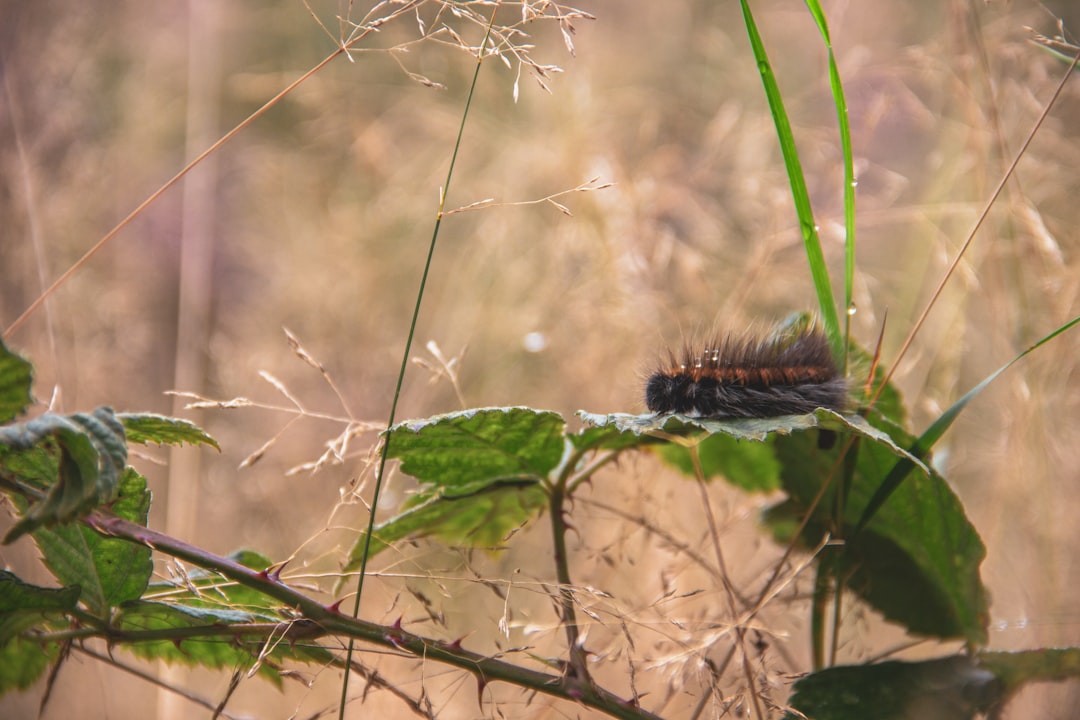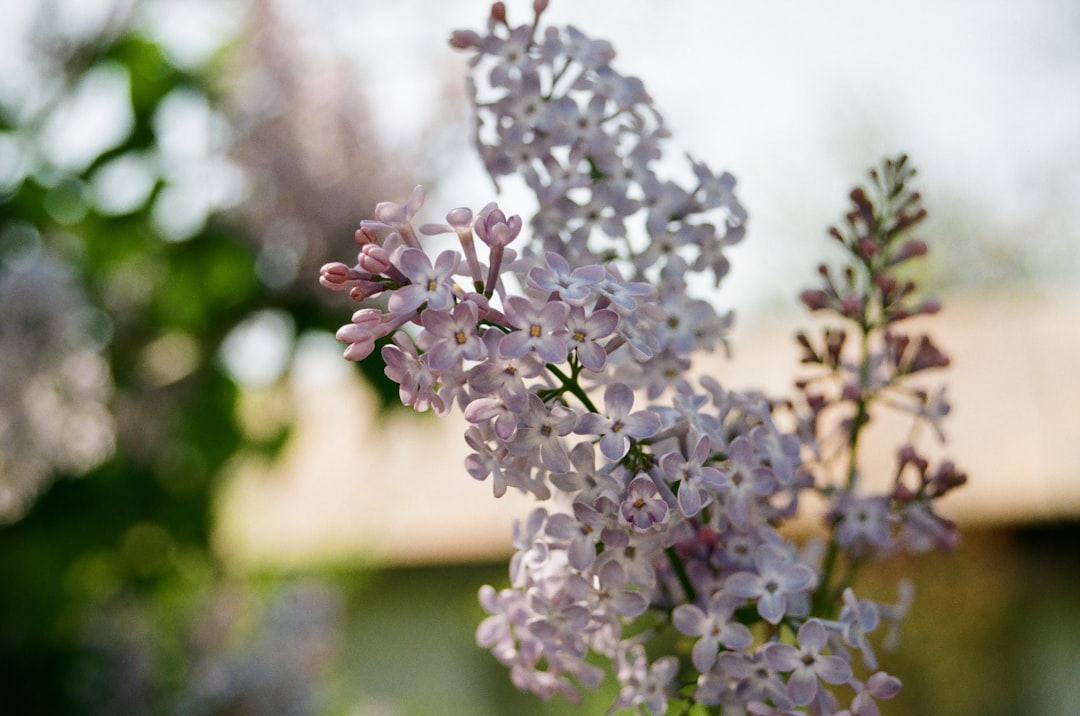



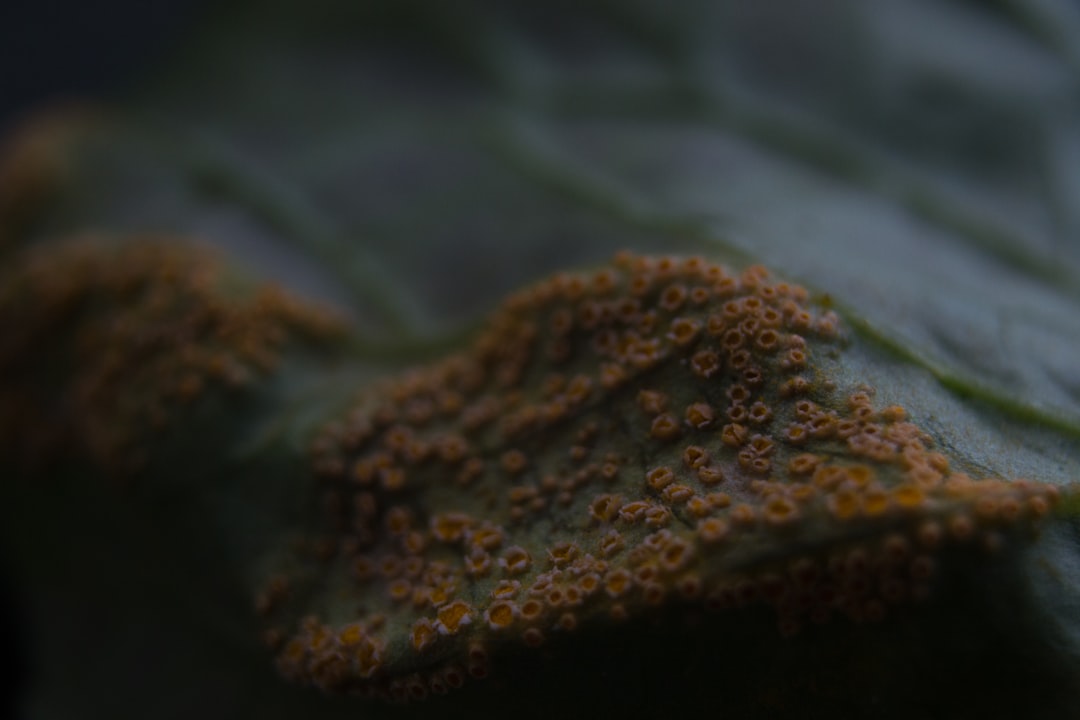
Alternaria does not get the attention that pollen does in patient conversations, but it should. It is the most clinically significant outdoor mold across most of North America, including Central Texas, and it is one of the strongest documented triggers for severe asthma exacerbations in the medical literature. For patients with mold-driven allergies and asthma, identifying and treating Alternaria sensitization can be the single most important step in regaining control. The condition is also widely under-tested for, which means many mold-allergic patients have been treated for years without specifically addressing Alternaria.
Key takeaways
- Alternaria is the most allergenic outdoor mold in North America
- Counts peak late summer and early fall in Central Texas
- Strong link to severe asthma exacerbations
- Standard skin testing and immunotherapy formulations cover Alternaria
- Both indoor moisture management and treatment matter
Where Alternaria grows
Alternaria thrives on dead and decaying plant material. Fallen leaves, compost piles, mulch, dead grass, agricultural fields after harvest, and soil all support Alternaria growth. Indoor exposure happens in damp environments: leaky basements, neglected HVAC systems, water-damaged drywall, and any organic surface that stays wet. Texas humidity during late spring and early fall pushes outdoor counts particularly high.
Outdoor environments to watch
Compost bins. Recently mowed lawns where clippings have been left to decompose. Wooded areas with leaf litter. Agricultural fields after harvest. Greenhouses and nurseries. Any outdoor space where dead organic matter accumulates supports Alternaria growth. Patients with significant exposure in these environments often have higher overall sensitization than patients in cleaner suburban settings.
Indoor environments to address
Bathrooms with poor ventilation. Basements and crawl spaces. HVAC systems with neglected drain pans. Any room with a history of water damage. Areas around windows where condensation has caused drywall damage. The pattern: moisture plus organic substrate plus poor airflow equals Alternaria growth indoors. Read more about indoor mold at mold allergy in Central Texas.
Regional history of mold awareness
Mold was poorly understood as an allergen until the late 20th century. Texas humidity made it a significant clinical concern long before testing was widely available. Today, Alternaria is on the standard environmental panel in any reputable Texas allergy practice, but historically many patients went years without specific identification of their primary trigger.

Why fall is the worst time
Late summer and early fall combine warm temperatures, accumulated organic debris from the growing season, and intermittent rain. This mix produces some of the highest Alternaria counts of the year. Patients often describe their worst respiratory weeks as September and October, which they may attribute to ragweed but is often a combination of ragweed and Alternaria. Our daily count includes mold counts so patients can see what is actually driving symptoms.
The ragweed-Alternaria overlap
September and October peaks for both ragweed and Alternaria mean patients with combined sensitivities have their worst weeks during this stretch. Without specific testing, patients often treat the period as ragweed-only and wonder why their treatment is partially effective. Adding mold-specific treatment usually produces meaningful additional improvement.
Seasonal variation in Texas
Texas Alternaria counts rise during humid stretches and after rain. Cold dry periods reduce counts substantially. The annual peak is typically September, with secondary peaks during humid spring weeks. Tracking actual counts on our daily report helps patients anticipate their personal flare windows.
Occupational exposure considerations
Several occupations involve substantially higher Alternaria exposure than the general population.
Farmers and agricultural workers
Hay handling, grain storage, and crop harvesting all release massive concentrations of Alternaria spores. Farmer's lung (a hypersensitivity pneumonitis distinct from typical allergic disease) is one severe occupational outcome. Treating allergic Alternaria is straightforward; recognizing and addressing hypersensitivity pneumonitis requires pulmonologist involvement.
Landscapers and grounds crews
Workers handling fallen leaves, compost, and decomposing plant material face concentrated exposure. Mowing operations during humid periods stir up Alternaria spores from the underlying grass and leaf litter. PPE during these tasks includes N95 masks and eye protection.
Construction and water damage remediation
Workers tearing out water-damaged drywall, carpet, or framing release Alternaria and other mold spores at very high concentrations. Proper PPE and containment matter for both worker health and downstream occupant safety.
The asthma connection
Multiple large studies have identified Alternaria sensitization as an independent risk factor for severe and even fatal asthma attacks. Patients with asthma plus positive Alternaria testing should take aggressive measures during peak mold weeks: ensure controller medications are at adequate dose, have rescue inhaler available, and consider preventive measures like nasal steroids and oral antihistamines during the season.
The thunderstorm asthma phenomenon
Heavy thunderstorms can rupture airborne mold spores, releasing smaller particles that penetrate deeper into the lungs than intact spores. Some severe asthma exacerbations during or shortly after thunderstorms trace to this mechanism. Mold-sensitive asthmatics should stay indoors during heavy storms during peak mold season and have rescue medication readily available.
Why early identification matters
Asthma patients with confirmed Alternaria sensitization can have action plans tailored specifically. Increased controller dosing during peak mold weeks. Stricter home moisture management. Lower threshold for emergency department visits during severe flares. Without the diagnosis, these patients are at higher risk of exacerbations that could have been prevented. Read more on managing severe asthma at our coverage of asthma attacks.
Cross-reactivity in detail
Mold cross-reactivity patterns affect testing and treatment planning.
Alternaria vs Cladosporium
Both are common outdoor molds and frequently coexist in the environment. Cross-reactivity at the protein level is limited, which means most patients have separate sensitizations to each. Skin testing distinguishes the two clearly. Read more about Cladosporium.
Mold and food cross-reactions
Some patients with strong Alternaria sensitization react to fermented foods (aged cheese, beer, wine) through cross-reactive proteins. The reaction is typically mild and food-specific. Most patients tolerate normal diets without modification.
Aspergillus and Penicillium
These other indoor molds are tested separately and often coexist with Alternaria sensitivity. Patients with multiple mold sensitizations need immunotherapy formulations covering all relevant species.
Diagnosis
Skin testing or specific IgE blood testing identifies Alternaria sensitization. We include Alternaria on our standard environmental panel for Central Texas patients. Levels are graded so we know how much it contributes to your overall symptom picture. Read more about our diagnostic process at allergy testing.
Why mold testing is sometimes missed
General practitioners often refer for "allergy testing" without specifying that mold panel should be included. We routinely include Alternaria, Cladosporium, Aspergillus, and Penicillium in our standard environmental panel because mold sensitization is meaningfully different from pollen sensitization in clinical implications and treatment.
Component testing
Component-resolved diagnosis (specific Alternaria proteins like Alt a 1) can refine the picture for complex patients. Most clinical decisions are based on standard whole-extract skin testing, but component testing is available when needed.
Treatment options
Reducing indoor mold is the first step (managing humidity below 55 percent, fixing water intrusion, cleaning visible mold). Daily nasal steroid sprays and antihistamines control most chronic symptoms. For patients with significant Alternaria sensitization driving asthma or persistent symptoms, immunotherapy is highly effective. Alternaria is included in our standard immunotherapy formulations for mold-allergic patients.
Indoor moisture management
Keep indoor humidity at 40 to 55 percent (a hygrometer in the most-used room is worth the small investment). Run AC during humid weather. Use dehumidifiers in basements and any chronically damp areas. Address water intrusion immediately, before mold colonies establish. Replace HVAC filters monthly during humid seasons. These measures reduce both Alternaria and other mold species.
When immunotherapy is appropriate
Patients with confirmed Alternaria sensitization plus significant clinical symptoms (chronic respiratory, asthma, or both) are good candidates for immunotherapy. Allergy shots succeed in 85 to 90 percent of our patients across all allergens. Sublingual drops succeed in 75 to 85 percent. Mold immunotherapy is well-established and provides lasting relief for patients facing constant exposure.
Evolving research
Mold allergy research has advanced substantially over the past decade.
Climate impact on mold seasons
Warming climate trends suggest mold seasons are lengthening across Texas. Higher overall humidity and longer warm seasons mean Alternaria peak windows may extend further than they did decades ago. Patients may need to extend their treatment durations accordingly.
Biologic therapy for mold-driven asthma
Biologic medications like Xolair, Dupixent, and Tezspire have improved outcomes for patients with severe mold-driven asthma that does not respond adequately to standard treatment. We administer biologics in office and have prescribing experience across all approved options.
Mold exposure assessment
For patients suspected of having significant indoor mold exposure, our mold exposure risk assessment walks through home environment factors. Patients in the elevated or high categories often need both remediation and allergy testing. Visible mold larger than a few square feet warrants professional remediation rather than DIY cleanup.
When to call a professional
Visible mold larger than a few square feet, ongoing musty smell, or recurring leaks are remediation territory, not DIY. Disturbing large mold colonies releases spores into the air at concentrations that can flatten an allergic patient. Get the moisture source fixed and the mold professionally removed before assuming it will not come back. Insurance coverage for remediation varies by policy and cause of damage, and homeowner-funded remediation is sometimes the only option.
Cultural and lifestyle context
Texas climate and outdoor culture intersect with Alternaria exposure in patterns worth understanding.
The fall outdoor season
Late September through October is peak outdoor weather in Central Texas: football, festivals, hunting season, hiking. The same weeks are peak Alternaria. Patients with significant sensitivity face a choice between aggressive pre-treatment and missing the seasonal events that make Texas fall worth experiencing.
Yard maintenance preferences
Many Texans prefer tidy yards with raked leaves and trimmed lawns. The opposite (leaving leaf litter and natural meadow areas) is healthier for soil and ecosystem but worse for mold-allergic homeowners. Patient-specific recommendations depend on individual exposure tolerance.
Other relevant molds
Alternaria is the most clinically significant but not the only mold allergen worth considering. Cladosporium is the most abundant airborne mold globally and is also a common allergen. Aspergillus and Penicillium are other species we test for routinely. Patients with mold allergy commonly have multiple species sensitization.
When to schedule
If respiratory symptoms peak in fall, if asthma is hard to control during specific weeks, or if you have known indoor mold exposure, schedule an evaluation. New patient visits are typically within 1 to 3 weeks. We accept most major insurance plans. Start at our new patients page.