



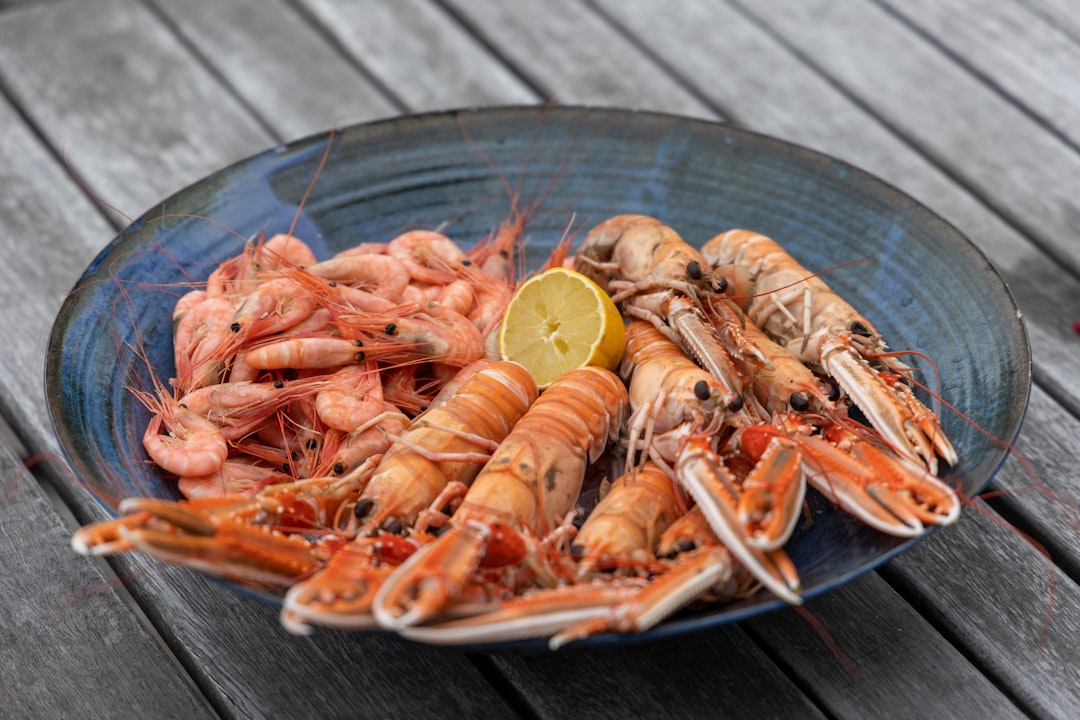
Shellfish allergy is one of the most common food allergies in adults, and one of the most likely to be lifelong. Patients who never had food problems through childhood and young adulthood sometimes develop a sudden severe reaction to shrimp at age 30 or 40 and find that the allergy is permanent from that point forward. Reactions can be severe including anaphylaxis, and avoidance is the standard treatment because there is no established immunotherapy for shellfish. Recognition, action planning, and avoidance strategies are the cornerstones of management.
Key takeaways
- Shellfish includes two distinct groups: crustaceans and mollusks
- Cross-reactivity within each group is common but between the two groups is less common
- Adult-onset cases are common and usually lifelong
- Reactions can be severe; epinephrine prescriptions are appropriate for confirmed cases
- Iodine and shellfish allergy are unrelated despite the persistent myth
Crustaceans vs mollusks
Crustaceans include shrimp, crab, lobster, crawfish, and prawns. They share the protein tropomyosin, which is the main allergen, and patients allergic to one crustacean usually react to others. Mollusks include clams, oysters, mussels, scallops, octopus, and squid. Mollusk allergies have their own protein patterns, and a patient allergic to shrimp may be able to safely eat oysters (though caution and testing are appropriate before assuming this). About 50 percent of crustacean-allergic patients are also mollusk-allergic.
The tropomyosin connection
Tropomyosin is the major allergen across crustaceans. Patients sensitized to it react to multiple crustacean species. The protein is also similar in dust mites and cockroaches, leading to occasional cross-reactivity that complicates testing for patients with combined dust mite or cockroach sensitivity.
Mollusk-specific allergens
Mollusks have different major allergens, primarily paramyosin and other muscle proteins. Cross-reactivity between mollusks is common (clam-mussel-oyster typically grouped). The relative independence of crustacean and mollusk sensitization means specific testing for both groups is appropriate when shellfish allergy is in question.
Why crustaceans are usually the trigger
Most shellfish allergic patients react to crustaceans. Pure mollusk allergy is less common. Combined allergy to both groups is intermediate. Testing across both groups identifies which specific shellfish to avoid.
Why shellfish allergies often start in adulthood
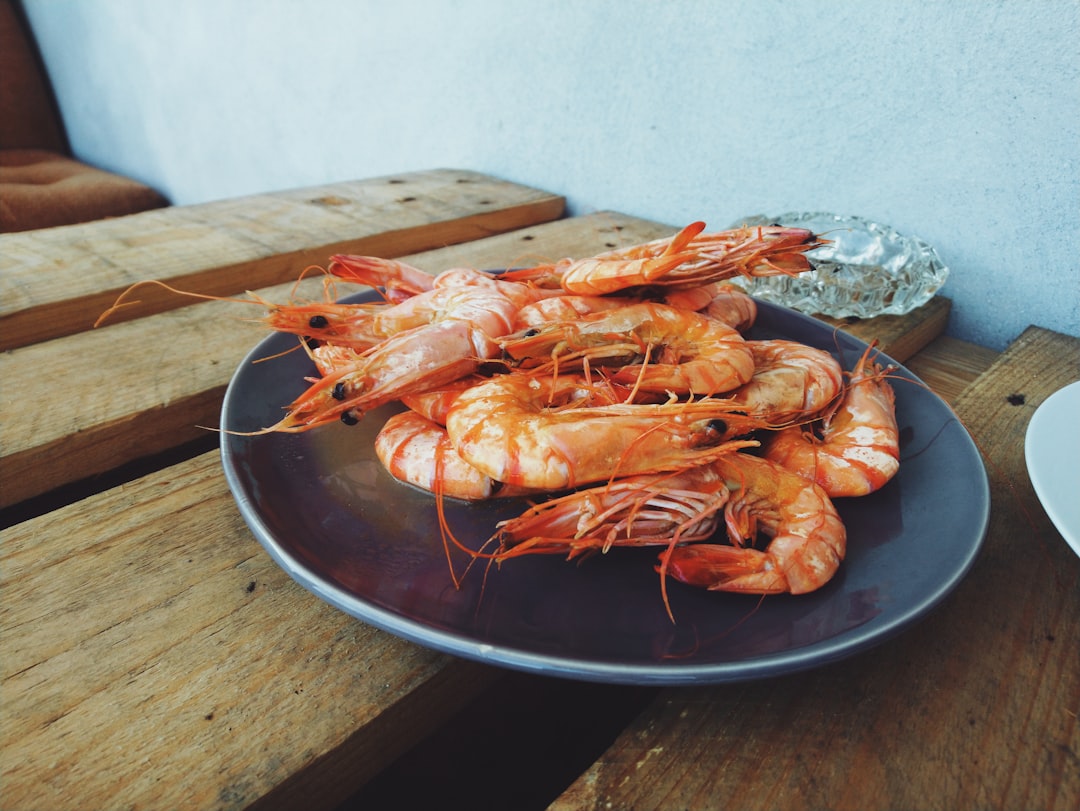
Childhood food allergies tend to involve milk, egg, peanut, tree nuts, soy, and wheat. Adult-onset food allergies more often involve shellfish, fish, and tree nuts. The reasons are not entirely clear, but cumulative exposure, possible cross-reactivity with environmental allergens (like dust mites in the case of shellfish), and immune changes in adulthood all contribute.
The dust mite connection
Dust mite tropomyosin is similar to shellfish tropomyosin. Some patients with strong dust mite sensitization develop shellfish reactions through cross-reactive sensitization. The reverse pattern (shellfish allergy leading to dust mite issues) is also documented. Patients in our coverage of dust mite allergy should be aware of the potential link.
First reaction patterns
Adult-onset shellfish allergy often presents as a sudden severe reaction with no warning. The first exposure may produce no symptoms. The second may produce mild itching. The third may produce anaphylaxis. Once sensitized, every exposure carries risk. The pattern is why we recommend formal testing after any unexplained shellfish reaction rather than dismissing it as food poisoning or coincidence.
Occupational exposure considerations
Shellfish industry work has well-documented allergic disease risk.
Seafood processors and dock workers
Workers in seafood processing plants face both inhalation and skin contact with shellfish proteins. Occupational asthma from seafood processing is a recognized condition, particularly in shrimp and crab processing facilities. Pre-employment screening and ongoing monitoring help identify at-risk workers.
Restaurant kitchen workers
Workers in seafood restaurants or restaurants with substantial shellfish menus have continuous exposure. Workers who develop shellfish sensitization usually need to find positions away from shellfish-heavy kitchens.
Gulf Coast fishing industry
Texas Gulf Coast fishing communities have fishermen, processors, and dock workers exposed to shellfish daily. The cumulative exposure produces higher rates of occupational shellfish allergy than the general population. Some workers transition to other fishing roles after diagnosis.
Symptoms and severity
Reactions can include hives, swelling, vomiting, abdominal pain, throat tightness, wheezing, and anaphylaxis. Some patients experience exercise-induced anaphylaxis where shellfish ingestion combined with subsequent exercise produces severe reactions that would not occur from either alone. Severity varies between individuals and even between exposures in the same individual, which is one reason epinephrine prescriptions are standard.
Anaphylaxis recognition
Anaphylaxis involves multi-system reactions: skin (hives, swelling), respiratory (throat tightness, wheezing), cardiovascular (drop in blood pressure, lightheadedness), and gastrointestinal (vomiting, severe pain). Any combination raises concern. Single-organ reactions are usually not anaphylaxis but warrant evaluation. Read more at our anaphylaxis resource.
Variability between exposures
A patient who had hives one time may have anaphylaxis the next. Severity does not consistently increase with each exposure but it can. The unpredictability is why all confirmed shellfish allergy patients should carry epinephrine, even if their previous reactions were mild.
Diagnosis
Skin testing and specific IgE blood testing identify shellfish sensitization. We test crustaceans and mollusks separately when both are in question. For unclear cases, supervised oral food challenges in our office can confirm or rule out clinical reactivity. Read more at our food allergy management page.
Component-resolved diagnosis
Specific tropomyosin testing (Pen a 1, Pen i 1, etc.) can refine the picture for complex patients. Component sensitization patterns sometimes correlate with reaction severity. We use component testing when standard testing leaves the picture unclear or when oral food challenge would be high-risk.
Oral food challenges
Patients with positive testing but unclear clinical history, patients suspected of outgrowing childhood shellfish allergy, and patients where definitive yes/no determination is clinically necessary are candidates. The procedure happens in our office over several hours under medical supervision.
Cross-reactivity in detail
Shellfish cross-reactivity affects testing strategy and dietary recommendations.
Within crustaceans
Shrimp, crab, lobster, crawfish, and prawn share tropomyosin proteins. Most patients allergic to one are allergic to all. Testing all major crustaceans is standard when crustacean allergy is suspected.
Within mollusks
Clam, mussel, oyster, scallop, octopus, and squid share allergens. Cross-reactivity is common. Patients with confirmed mollusk allergy generally avoid all mollusks unless specific tolerance has been established through testing or oral food challenge.
Crustaceans vs mollusks
Cross-reactivity between the two groups is less than within either group. About half of crustacean-allergic patients are also mollusk-allergic. Testing both groups in suspected shellfish allergy patients is appropriate to identify the specific pattern.
Dust mite and cockroach
Tropomyosin similarity creates cross-reactivity between shellfish and dust mites and cockroaches in some patients. The clinical implication is mostly diagnostic: shellfish-allergic patients sometimes have unexpectedly positive dust mite or cockroach tests, and vice versa.
Living with shellfish allergy
Strict avoidance is the standard. Read labels carefully. Be aware of cross-contamination risks at restaurants, particularly seafood restaurants and Asian cuisines that use shared cooking surfaces. Carry epinephrine. Medical alert bracelets are reasonable for patients with severe allergies. Iodine allergy is unrelated to shellfish allergy, despite a persistent myth. CT contrast and shellfish allergy are not connected.
Restaurant safety
Seafood restaurants are highest risk because of shared cooking surfaces and equipment. Asian, Cajun, and Mediterranean cuisines frequently use shellfish. Always inform restaurant staff. Avoid fried foods at restaurants that fry shellfish (shared oil contaminates). Steakhouses and other non-seafood restaurants are generally safer but still require attention to cross-contamination.
Hidden shellfish in processed foods
Worcestershire sauce contains anchovies but not typically shellfish. Some Asian sauces use shrimp paste. Surimi (imitation crab) contains real crab in many formulations. Some flavored chips and seasonings contain shellfish-derived flavoring. Read every label, every time.
Travel considerations
Shellfish is heavily used in many cuisines worldwide. International travel requires preparation: translation cards in relevant languages, careful restaurant selection, and accessible epinephrine. Consider bringing some safe foods. Have a medical care plan for the destination.
The iodine myth
A persistent myth links shellfish allergy to iodine sensitivity, leading to recommendations to avoid iodine-based contrast for medical imaging. The science does not support the connection. Iodine is an element present in all human tissue and is not the relevant allergen in shellfish. Patients with shellfish allergy can safely receive iodine-based contrast. Specific concerns should still be discussed with the radiologist, but shellfish allergy alone does not contraindicate the contrast.
Why the myth persists
The myth originated decades ago from observations that some patients with shellfish allergy reacted to contrast. Subsequent research showed that contrast reactions occur in patients with and without shellfish allergy at similar rates. The original observation reflected coincidence rather than causation. Updated guidelines no longer treat shellfish allergy as a contraindication to iodine contrast.
Evolving research and treatments
Shellfish allergy treatment has lagged behind peanut and other major food allergies, but research is active.
No established immunotherapy yet
Unlike peanut, sesame, and some milk and egg allergies where oral immunotherapy is established or emerging, shellfish OIT is not yet a clinical reality. Research is underway. For now, the standard remains avoidance plus epinephrine for accidental exposures.
What is in the research pipeline
Several research groups are investigating shellfish OIT protocols. Early-phase studies suggest tolerance can be built but at the cost of frequent adverse reactions during the buildup phase. Wider clinical availability is likely several years away. We follow the literature and will offer treatment when it becomes appropriately available.
Component-resolved diagnostic improvements
Better understanding of which tropomyosin component sensitizations correlate with severe reactions is improving prognosis prediction. Patients with specific high-risk component patterns receive more aggressive avoidance counseling and lower thresholds for emergency department evaluation.
Cultural and lifestyle context
Shellfish features prominently in many Texas cultural and dietary contexts.
Gulf Coast cuisine influence
Texas Gulf Coast cuisine relies heavily on shrimp, crab, oysters, and crawfish. Shellfish-allergic Texans often find traditional family recipes inaccessible. Cajun and Creole influences from neighboring Louisiana extend the shellfish-heavy culinary tradition into much of east and central Texas.
Crawfish boils and social events
Spring crawfish boils are a major social event across south and central Texas. Shellfish-allergic guests at these events face both ingestion risk and ambient inhalation risk from boiled shellfish vapor. Some patients need to avoid these events entirely.
Restaurant industry adaptation
Texas restaurants increasingly accommodate shellfish-allergic patrons with separate cooking surfaces and clearly marked menus. Awareness has improved over the past decade as food allergy education has reached the restaurant industry.
Pediatric shellfish allergy
Children with shellfish allergy face the same management as adults, with strict avoidance and epinephrine carry. Some pediatric shellfish allergies resolve, though resolution is less common than for milk or egg allergies. Periodic retesting helps track resolution patterns. Read more on pediatric food allergy at our food allergy resource.
Other major food allergens
Patients with shellfish allergy may have additional food sensitivities. We test relevant foods based on history. Read more at sesame allergy and tree nut and peanut allergy.
When to schedule
If you have had any reaction to shellfish, if you suspect new sensitivity, or if you want a definitive diagnosis to inform avoidance practices, schedule an evaluation. We test, prescribe epinephrine when appropriate, and provide ongoing management including action plans. New patient visits are typically within 1 to 3 weeks. Start at new patients.