



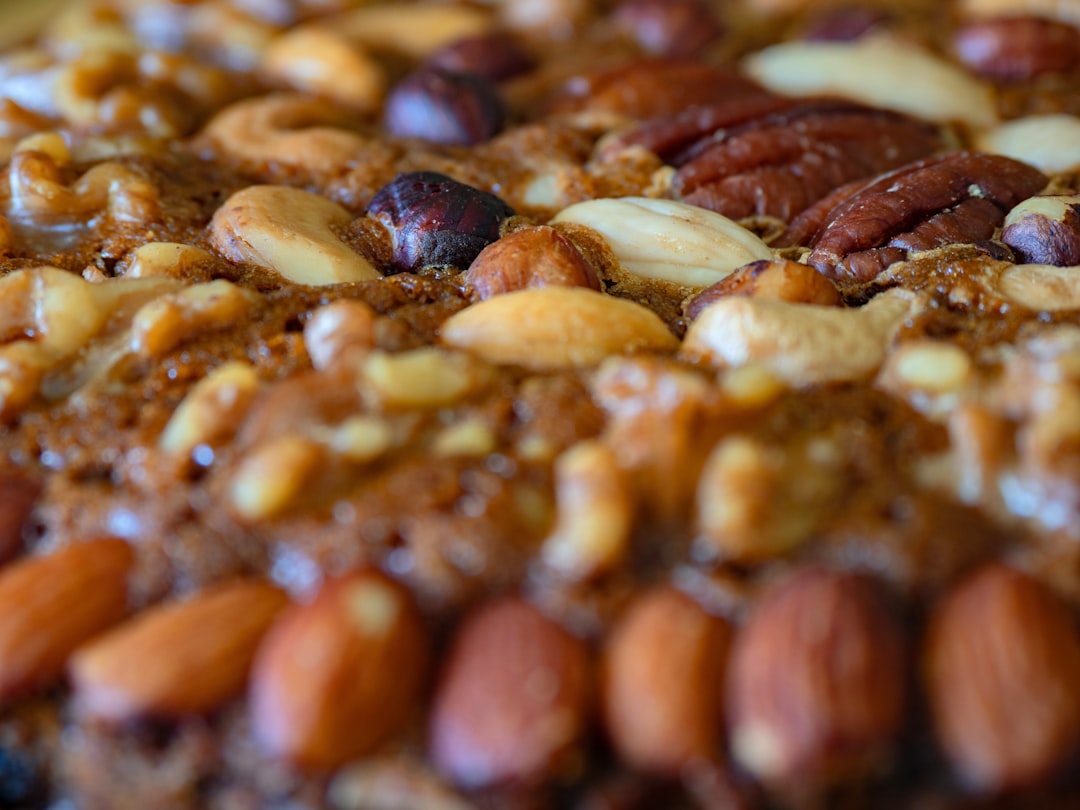
Patients arrive with the label "nut allergy" and assume it covers everything from peanuts to walnuts. The label is imprecise. Peanuts are legumes, not nuts. Tree nuts are a separate group, and within tree nuts, allergy patterns vary substantially from one species to another. Sorting out exactly what you are allergic to changes what you can safely eat, what you need to carry epinephrine for, and what treatment options exist. Many patients turn out to be allergic to far fewer specific foods than the broad label suggests.
Key takeaways
- Peanuts are legumes (botanically related to beans and lentils, not nuts)
- Tree nuts are a separate category (almonds, walnuts, pecans, cashews, pistachios, etc.)
- 30 to 40 percent of peanut allergic patients are also tree nut allergic
- Cross-reactivity within tree nuts varies; some patients react to all, others to a few
- Component-resolved testing can refine diagnosis for complex cases
Why the distinction matters
A patient with peanut allergy who has never been tested for tree nuts may unnecessarily avoid all nuts, missing out on nutritious foods that they could safely eat. A patient with tree nut allergy who assumes they are also peanut allergic may carry the label without confirmation. A patient allergic to cashews and pistachios but not other tree nuts can safely eat almonds and walnuts once we test and confirm. Specificity matters.
The cost of unnecessary avoidance
Children placed on broad nut-free diets without confirmed multiple allergies miss nutritional benefits and develop social challenges around food. Adults with broad avoidance live with anxiety that exceeds the actual risk. Targeted testing identifies the specific foods to avoid and frees up the rest of the category, often substantially improving quality of life.
The cost of under-recognition
Conversely, patients labeled "peanut allergic" who happen to also react to tree nuts but never get tested are at risk for unexpected reactions. Comprehensive testing during the initial workup catches both overcategorization and undercategorization issues.

Cross-reactivity within tree nuts
Cashews and pistachios are botanically related and often cross-react. Walnuts and pecans are botanically related and often cross-react. Almonds, hazelnuts, and Brazil nuts are more distinct. Testing across the major tree nuts shows which ones you actually react to. Component-resolved testing (looking at specific protein components) can sometimes refine the picture further when standard testing is unclear.
The cashew-pistachio pair
Both are in the Anacardiaceae family. Patients allergic to one are very commonly allergic to the other. Testing both is standard when either is suspected. Mango is also in this family, though clinically significant cross-reactivity is uncommon.
The walnut-pecan pair
Both are in the Juglandaceae family. Cross-reactivity is high. Testing both when either is suspected is standard. Patients allergic to walnut should approach pecan with caution until tested.
Almonds, hazelnuts, Brazil nuts, macadamia
These are all in different botanical families. Cross-reactivity is more variable. Patients can be allergic to one without reacting to the others. Specific testing clarifies the picture. Component testing can identify whether a positive test reflects real-world reactivity or cross-reactive sensitization that may not produce symptoms.
Pecan allergy and Texas
Pecan is a particularly relevant tree nut allergen in Texas because of the prevalence of pecan trees in the state and the cultural use of pecans in Texas cooking. Some Texas patients with apparent grass or tree pollen sensitivity also have pecan food reactions through cross-reactivity, and patients with confirmed pecan food allergy often have associated pecan pollen sensitivity. We test the relevant species when patient history suggests it. Read more about pecan tree allergy.
The Texas pecan industry context
Pecan is the Texas state tree, and pecan products feature heavily in Texas cooking and gift-giving traditions. Texas is one of the largest pecan-producing states. Pecan-allergic patients face wider avoidance challenges than allergic patients in regions where pecans are less culturally prominent.
Pollen-food cross-reactivity
The pecan example is one of several pollen-food links. Patients allergic to certain tree pollens sometimes react to related foods through shared protein epitopes. Apple, peach, and almond can cross-react with birch pollen. Other connections exist. Read more at our coverage of pollen food syndrome.
Occupational exposure considerations
Some occupations involve substantially higher nut exposure than the general population.
Bakery and food production workers
Workers handling tree nuts or peanuts in production can develop new sensitization through inhalation and skin contact. Severe occupational asthma from baker's nut exposure is documented. Workers with confirmed nut allergy generally need positions away from nut production lines.
Pecan industry workers
Texas pecan harvest, shelling, and processing involve continuous pecan exposure. Workers with confirmed pecan allergy face an immediate occupational concern. Patients in this industry often need to find different work.
Restaurant kitchen workers
Restaurants featuring nuts in multiple dishes have continuous exposure. Cross-contamination during food preparation is a daily issue for kitchen staff with confirmed nut allergy.
Diagnosis
Skin testing and specific IgE blood testing identify the relevant nut sensitizations. We test the major tree nuts (almond, walnut, pecan, cashew, pistachio, hazelnut, Brazil nut, macadamia) plus peanut when nut allergy is in question. Component-resolved diagnosis is available when standard testing leaves the picture unclear. Oral food challenges in our office confirm or rule out clinical reactivity for borderline cases.
Component testing in detail
Each nut has multiple proteins that drive allergic reactions. Testing for specific components (Ara h 2 in peanut, Cor a 1 in hazelnut, Jug r 1 in walnut, etc.) provides additional clinical information. Some components correlate with severe reactions, others with mild or pollen-cross-reactive reactions. We use component testing when it changes management.
Oral food challenges
For patients with positive testing but no clear clinical reaction, supervised oral food challenges in our office definitively assess whether the food causes symptoms. The procedure runs over several hours with gradually increasing doses under medical supervision. The result clarifies whether avoidance is necessary.
Treatment options
Strict avoidance plus epinephrine for emergencies is the foundation. Read labels carefully. Watch for cross-contamination warnings. For peanut allergy specifically, oral immunotherapy (OIT) including the FDA-approved Palforzia product can build tolerance over months. Tree nut OIT is offered at some centers and is less standardized but emerging as an option for select patients.
Peanut OIT (Palforzia)
Palforzia is FDA-approved for ages 4 to 17. It is a graduated peanut protein product administered in office for the first dose, then daily at home with periodic dose increases. Goal is protection against accidental exposure rather than free eating. We discuss whether OIT is appropriate based on age, severity, and patient preference.
Off-label OIT for older patients and tree nuts
OIT for adults and for tree nuts is offered at specialized centers off-label. The protocols are less standardized but the principles are similar. We refer to specialty OIT centers when patients are interested in this approach for foods other than peanut at FDA-approved ages.

Evolving research and treatments
Food allergy research has advanced rapidly over the past decade.
Earlier introduction strategies
The LEAP study (Learning Early About Peanut) showed that early introduction of peanut to high-risk infants reduced the rate of peanut allergy development substantially. Pediatric guidelines now recommend introducing peanut between 4 and 11 months in high-risk infants. The strategy is changing the demographics of peanut allergy in upcoming generations.
Sublingual and patch immunotherapy
Beyond oral immunotherapy, sublingual and skin patch approaches for peanut allergy are in development. Each has different risk-benefit profiles. Wider availability is likely in the next 5 to 10 years.
Biologics adjuncts
Xolair and similar biologics are being studied as adjuncts to oral immunotherapy, potentially allowing faster up-dosing and broader applicability. Early data is promising. Specialty centers offer biologic-supplemented OIT in research and select clinical contexts.
When to retest
Retesting every 1 to 2 years through childhood is reasonable since some allergies resolve. About 20 percent of children outgrow peanut allergy. Resolution rates for tree nut allergies vary by specific nut. Adult-onset food allergies are less likely to resolve spontaneously. Decreased test sizes over time can guide whether a supervised oral food challenge is appropriate.
Pediatric resolution patterns
Peanut allergy resolution averages 20 percent. Tree nut allergy resolution varies: cashew and pistachio rarely resolve, walnut and pecan sometimes, almond more often. Each child's pattern is individual. Annual testing through childhood with food challenges when test sizes decrease provides the most accurate picture.
Adult-onset patterns
Tree nut allergies that begin in adulthood are usually lifelong. Peanut allergy onset in adulthood is less common but follows similar patterns. We treat adult-onset cases as likely permanent and focus on management rather than waiting for resolution.
Cultural and lifestyle context
Nut consumption varies dramatically by culture, which affects both exposure patterns and allergy management.
Texas pecan culture
Texas takes pecan seriously. Pecan pies, pralines, and roasted pecans are seasonal staples. Patients with pecan allergy face awkward conversations during holiday gatherings, family barbecues, and routine social events. Education about visible cross-contamination risks helps families handle these situations culturally.
Asian cuisine cashew use
Cashews appear in many Asian dishes, particularly Thai and Chinese cuisines. Patients with cashew allergy need to ask explicitly when ordering from these restaurants.
School and daycare nut policies
Many Texas schools have peanut-free or nut-free zones to protect allergic students. Policies vary by district and even by individual school. Parents of severely allergic kids often need to advocate for adequate protection during school years, including verification that the school has accessible epinephrine and trained staff.
Living with confirmed nut allergy
Strict avoidance of confirmed allergens. Read labels every time. Be cautious at restaurants and bakeries with shared equipment. Carry two doses of epinephrine. Have written action plans for school, work, and family. Wear medical alert jewelry if reactions have been severe. Travel with extra epinephrine and translation cards if going abroad.
Other major food allergens
Patients with nut allergies sometimes have multiple food allergies. We test relevant foods based on history. Read more about other major food allergens at sesame allergy and shellfish allergy.
When to schedule
If you have a nut allergy that has not been formally tested, if you suspect new reactions, or if you want to know exactly which nuts you can safely eat, schedule an evaluation. We test, prescribe epinephrine when appropriate, and provide ongoing management. New patient visits are typically within 1 to 3 weeks. Start at our new patients page.