
The allergy-asthma connection explained
Allergic asthma is the most common form of asthma, affecting roughly 60 percent of the estimated 25 million Americans with the condition. The connection runs through the immune system: the same IgE-mediated response that causes sneezing, congestion, and itchy eyes in your nose can also inflame and constrict the airways in your lungs. When you inhale an allergen you are sensitized to, immune cells in both the upper airways (nose, sinuses) and lower airways (bronchial tubes) react. The nose produces congestion and mucus. The lungs produce bronchospasm, swelling, and mucus that narrow the airways and make breathing difficult.
This shared immune pathway is why allergists talk about "united airways disease": the nose and lungs are one continuous airway, and inflammation in one part frequently affects the other. Studies show that 40 to 80 percent of asthma patients also have allergic rhinitis, and 20 to 40 percent of allergic rhinitis patients have coexisting asthma. The conditions are not just associated. They are biologically connected, and treating one often improves the other.
What your risk score means
Low risk (0-3) means you have minimal indicators of an allergy-asthma connection. Your nasal symptoms are absent or mild, you have no significant lower respiratory symptoms, and your family history does not strongly predispose you. At this level, you likely have allergic rhinitis without significant lung involvement. Monitor for any new respiratory symptoms (cough, wheezing, chest tightness, exercise-related breathing problems) and reassess if they develop.
Mild risk (4-7) means you have some indicators that deserve attention. You have nasal allergies plus occasional lower respiratory symptoms or a relevant family history. These findings do not diagnose asthma, but they suggest your lungs may be mildly affected by the same allergic process driving your nasal symptoms. Mentioning these symptoms to your allergist at your next visit is appropriate. If symptoms are increasing over time, earlier evaluation is warranted.
Moderate risk (8-11) means your combination of nasal allergies and respiratory symptoms fits the pattern of allergic asthma. About 60 percent of asthma is allergy-driven, and your profile aligns with that population. Two simple tests can determine if asthma is present: spirometry (a breathing test that measures airflow and detects obstruction) and allergy testing (to identify the specific allergens triggering both your nasal and potential lung inflammation). If asthma is confirmed, treating the allergic trigger with immunotherapy can improve both your nasal and lung symptoms simultaneously.
High risk (12-15) means there is a strong probability that your allergies are causing or contributing to asthma symptoms. Significant nasal allergies combined with frequent coughing, wheezing, or chest tightness is a clinical pattern that warrants evaluation. Undiagnosed asthma that goes untreated allows chronic airway inflammation to cause progressive structural changes (airway remodeling) that make the airways permanently more reactive and narrower. The earlier asthma is identified and controlled, the less remodeling occurs. If your score is in this range, we would recommend spirometry and allergy testing as a priority.
Signs your allergies might be affecting your lungs
Many patients with allergic asthma attribute their respiratory symptoms to other causes: being out of shape, getting older, having a lingering cold, or just needing to catch their breath. Recognizing the allergy connection requires knowing what to look for.
Coughing that follows your allergy calendar. If you cough more in January (cedar season), March (oak season), or September (ragweed season), the seasonal pattern links the cough to an allergic trigger rather than to infections or irritants. Nighttime cough that worsens when pollen counts are high is particularly suggestive.
Exercise-related breathing problems that worsen during allergy season. If you can run fine in November but wheeze after the same run in January, the variable is not your fitness. It is the cedar pollen you are inhaling during the run. Exercise-induced bronchospasm in allergic patients often has a seasonal component that gives away the allergic trigger.
Wheezing that you or your partner notices. The whistling sound of air moving through narrowed airways is a physical sign of bronchospasm. If you hear it at night, during exercise, or during high pollen days, it means your airways are narrowing in response to something. In the context of nasal allergies, that something is likely the same allergen causing your nasal symptoms.
Chest tightness or a sensation that you cannot take a full, deep breath. This is often described as feeling like a band around the chest or like the lungs are not expanding fully. It may be constant during your worst allergy months or triggered specifically by exercise or cold air.
A cough that lingers for weeks after your nasal symptoms resolve. Post-nasal drip can cause cough through mechanical irritation of the throat, but a cough that persists after nasal symptoms clear may reflect lower airway inflammation (asthma) that takes longer to resolve than the nasal component.
Why early detection matters
Chronic allergic inflammation in the airways causes progressive structural changes called airway remodeling. The smooth muscle around the bronchial tubes thickens. The basement membrane (a structural layer beneath the airway lining) scars. Mucus-producing goblet cells proliferate. The net result is airways that are permanently narrower and more reactive, even between allergy exposures. Remodeling is partially irreversible, which means the longer asthma goes undiagnosed and untreated, the more permanent damage accumulates.
This is particularly relevant for children. The pediatric airways are still developing, and chronic allergic inflammation during the growth years can alter the trajectory of lung development. Studies have shown that children who receive early allergy treatment (including immunotherapy) have better lung function outcomes in adulthood compared to children whose allergies and asthma were left untreated or undertreated.
For adults, the argument is similar if less dramatic. An adult diagnosed with allergic asthma at 30 and treated aggressively will have better lung function at 50 than one who is diagnosed at 30 and not adequately treated until 40. The ten years of unchecked inflammation produce remodeling that reduces the ceiling of how well the lungs can ultimately function.
Testing: two simple evaluations that answer the question
Spirometry is a breathing test performed in the office that takes about 15 minutes. You blow into a device that measures how much air you can exhale and how fast you can exhale it. The two key measurements are FEV1 (the volume of air exhaled in the first second) and FVC (the total volume of a full exhalation). If the ratio of FEV1 to FVC is reduced, airway obstruction is present. If the obstruction improves after inhaling a bronchodilator (albuterol), the reversibility confirms asthma. Normal spirometry does not completely rule out asthma (some patients have normal results between episodes), and a methacholine challenge test can unmask airway hyperreactivity in these cases.
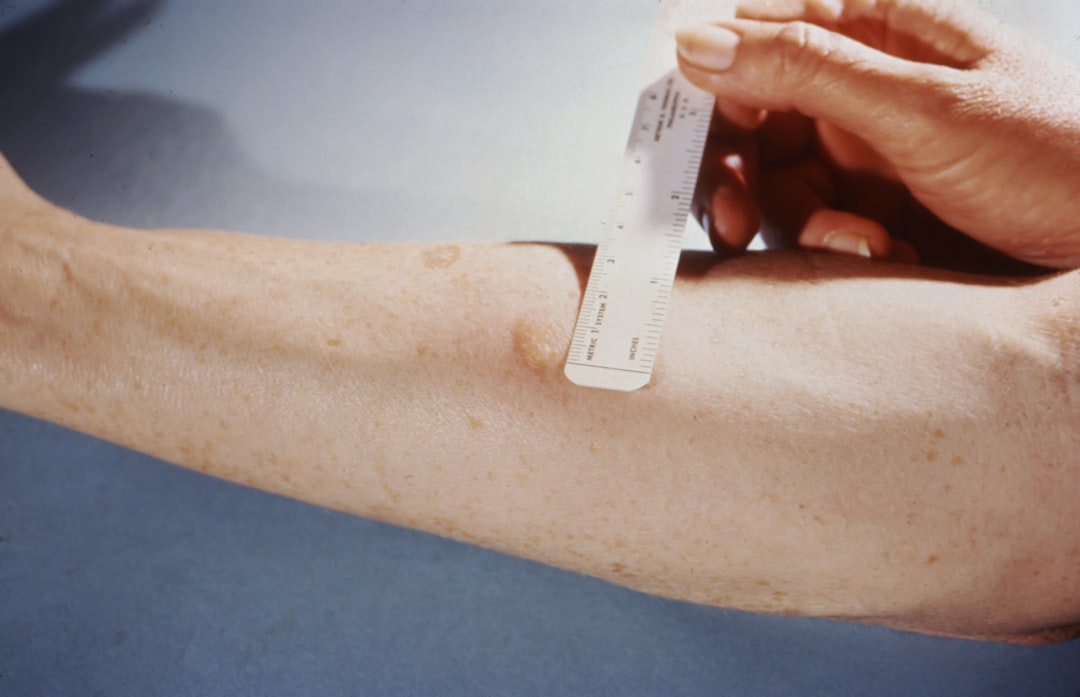
Allergy testing identifies which allergens your immune system reacts to. Skin prick testing at our clinic covers the full range of Central Texas allergens and produces results in 20 minutes. When combined with spirometry, the two tests answer the question definitively: is asthma present, and if so, which allergens are driving it?
Treating the connection
If allergic asthma is confirmed, the treatment approach targets both the lungs and the allergies simultaneously. Inhaled corticosteroids control airway inflammation. Nasal corticosteroid sprays control nasal inflammation (which also improves lung function through the united airways mechanism). Allergen avoidance reduces the trigger load on both systems. And immunotherapy, when appropriate, retrains the immune system to tolerate the triggering allergens, reducing inflammation in both the upper and lower airways over time.
For patients with severe allergic asthma, biologic medications like omalizumab (Xolair) block IgE, the antibody driving the allergic response. By intercepting IgE before it can trigger mast cells, Xolair reduces both nasal and lung symptoms and can dramatically improve asthma control in patients who have not responded adequately to standard treatment. It is administered as an injection every two to four weeks and is available at our clinic for qualifying patients.
The takeaway: if you have nasal allergies and any respiratory symptoms, the two conditions are probably connected, and treating the connection (rather than treating each symptom in isolation) produces the best outcome. Getting both spirometry and allergy testing gives you and your allergist the complete picture needed to build an integrated treatment plan.