
What does your score mean?
Over-the-counter allergy medications are designed for mild, intermittent allergies. They work reasonably well for patients who have symptoms during one season, react to one or two allergens, and find that a single daily medication provides adequate relief. That describes some allergy patients. It does not describe most allergy patients in Central Texas, where overlapping pollen seasons, high dust mite loads, and year-round mold create a multi-allergen environment that overwhelms what OTC products can handle.
Well controlled (0-3) means your OTC medications are doing their job. You take them occasionally or seasonally, they provide good relief, you are not stacking multiple products, and you are not dealing with significant side effects. Continue your current approach and reassess if your situation changes.
Partially controlled (4-7) means your medications are helping but leaving gaps. You are probably taking them more often than you would like, you still have breakthrough symptoms on bad days, and you may have started adding a second medication to cover what the first one misses. This is the zone where optimizing your approach can make a meaningful difference without necessarily changing your entire treatment strategy. Two key optimizations: start nasal steroids before your pollen season (not after symptoms begin), and identify your specific triggers through allergy testing so you know which seasons require treatment and which environmental changes would help.
Poorly controlled (8-11) means your medications are not keeping up with your allergies. You are likely taking multiple products daily, still symptomatic despite them, and dealing with side effects (drowsiness, dry mouth, brain fog) that add their own burden on top of the allergy symptoms. This is the level where the cost-benefit ratio of OTC management has flipped: you are paying significant money, dealing with side effects, and still not adequately controlled. An allergist can prescribe more effective medications, identify the specific triggers that generic OTC treatment cannot address, and discuss whether immunotherapy could reduce your long-term medication burden.
Medication failure (12-15) means your current approach has comprehensively failed. You are taking everything the pharmacy has to offer, getting minimal relief, possibly trapped in a decongestant spray dependency cycle, and suffering side effects that may be as disruptive as the allergy symptoms themselves. At this point, continuing the same approach is not going to produce different results. You need a fundamentally different strategy: allergy testing to identify what you are actually fighting, prescription medications that are more potent and targeted than OTC options, environmental modifications based on your specific allergens, and potentially immunotherapy to address the root immune dysfunction rather than continuously suppressing symptoms.
The Afrin trap: rebound congestion
If your score was elevated partly because of regular decongestant nasal spray use (Afrin, oxymetazoline, phenylephrine spray), you may be dealing with one of the most common and frustrating medication traps in allergy: rebound congestion, medically called rhinitis medicamentosa.
Here is how it works. Oxymetazoline constricts the blood vessels in the nasal lining, dramatically opening the airway within minutes. The relief is almost magical compared to anything an antihistamine can do. So you use it again the next day. And the next. After three to five days of regular use, the blood vessels adapt. They become dependent on the drug to maintain normal tone. When the spray wears off (every 8-12 hours), the vessels dilate more than they did before you started using the spray. Your congestion is now worse than it was before you reached for the Afrin. So you use more Afrin. The cycle accelerates.
Patients report using Afrin for months, sometimes years. They carry the bottle everywhere. They cannot sleep without a dose at bedtime. They use it four, six, eight times a day. By the time they seek help, the nasal lining is so chronically swollen from rebound that the original allergic congestion (which started the whole thing) is a minor component compared to the medication-induced component.
Breaking free requires stopping the oxymetazoline, which causes a temporary worsening of congestion lasting several days to two weeks while the blood vessels recalibrate. A nasal corticosteroid spray helps manage the withdrawal congestion. Some allergists prescribe a short course of oral corticosteroids (prednisone) to smooth the transition in severe cases. A gradual taper (reducing from both nostrils to one, then to every other day) can also work. The key message: never use oxymetazoline or similar decongestant nasal sprays for more than three consecutive days. If you need a nasal spray longer than that, you need a different type of spray.
Why antihistamines stop working (and what to do about it)
Some patients notice that an antihistamine that worked well initially becomes less effective over months or years of use. This is called tachyphylaxis (reduced response to a drug after repeated use), and while the evidence for true antihistamine tachyphylaxis is debated in the medical literature, the clinical experience is real enough that many allergists recommend rotating between different antihistamines periodically.
The three main non-sedating antihistamines (cetirizine/Zyrtec, fexofenadine/Allegra, loratadine/Claritin) work on the same receptor but have slightly different pharmacological profiles. If one seems less effective than it used to be, switching to a different one for a few months and then switching back can restore effectiveness. This rotation strategy is simple, costs nothing, and addresses the perception of declining efficacy whether the cause is true tachyphylaxis or simply disease progression (your allergies getting worse independent of the medication).
Another common reason antihistamines seem to "stop working" is that the underlying allergy has worsened. You may have developed sensitization to additional allergens, your existing sensitivities may have intensified, or environmental changes (new pet, moved to a different home, changed workplace) may have increased your allergen exposure. In these cases, the antihistamine is working exactly as well as it always did. The disease has outpaced it. Allergy testing reveals whether new sensitizations have developed and guides appropriate treatment adjustments.
What actually works after OTC failure
The step beyond OTC management is not "more of the same but prescription strength." It is a qualitatively different approach that starts with understanding what you are allergic to.
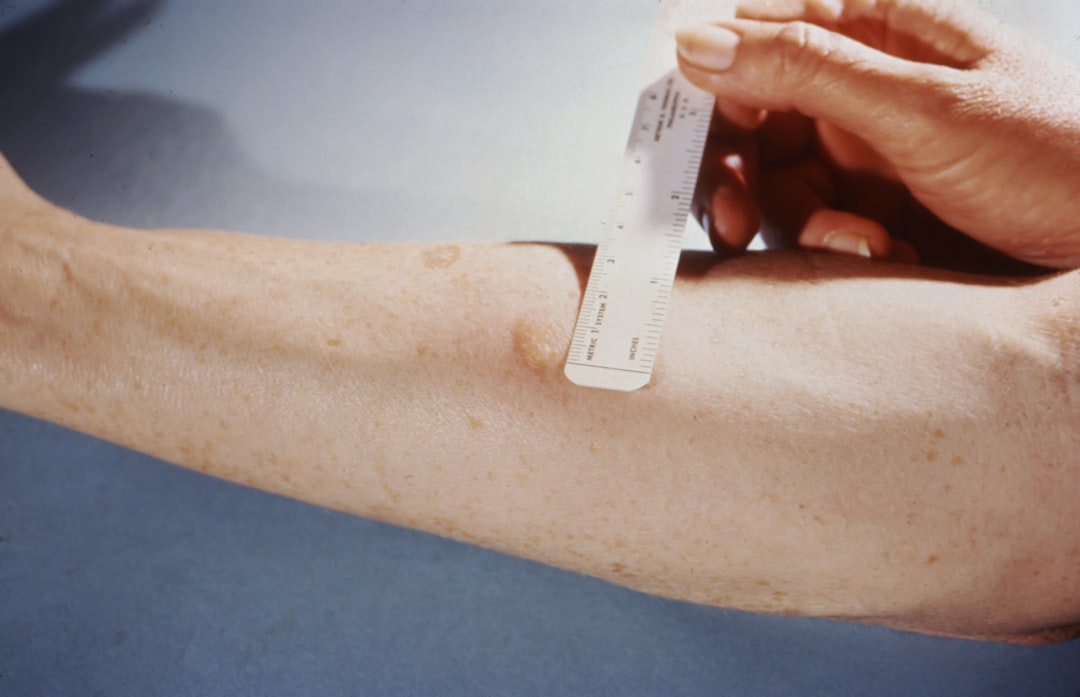
Allergy testing (skin prick testing, takes about 20 minutes) identifies your specific triggers. This single piece of information transforms everything downstream. Instead of taking a generic antihistamine and hoping it covers whatever is in the air, you know exactly which allergens drive your symptoms. This enables targeted environmental modifications (allergen-proof bedding for dust mites, HEPA filtration for pet dander, pollen avoidance timing based on your specific pollen sensitivities), targeted medication timing (starting nasal steroids before YOUR problem seasons rather than guessing), and immunotherapy formulations that include YOUR specific allergens rather than a generic mix.
Prescription nasal sprays (azelastine, combination sprays like Dymista) provide stronger topical treatment than OTC options. Leukotriene modifiers (montelukast) target a different inflammatory pathway than antihistamines. For patients with severe or refractory symptoms, biologic therapies and immunotherapy address the immune dysfunction itself rather than blocking its downstream effects.
The common thread is precision. OTC management is a blunt instrument. Post-testing management is a targeted intervention. The difference in outcomes is often dramatic, and patients who have been struggling with inadequate OTC control for years frequently describe their first properly managed allergy season as a revelation.