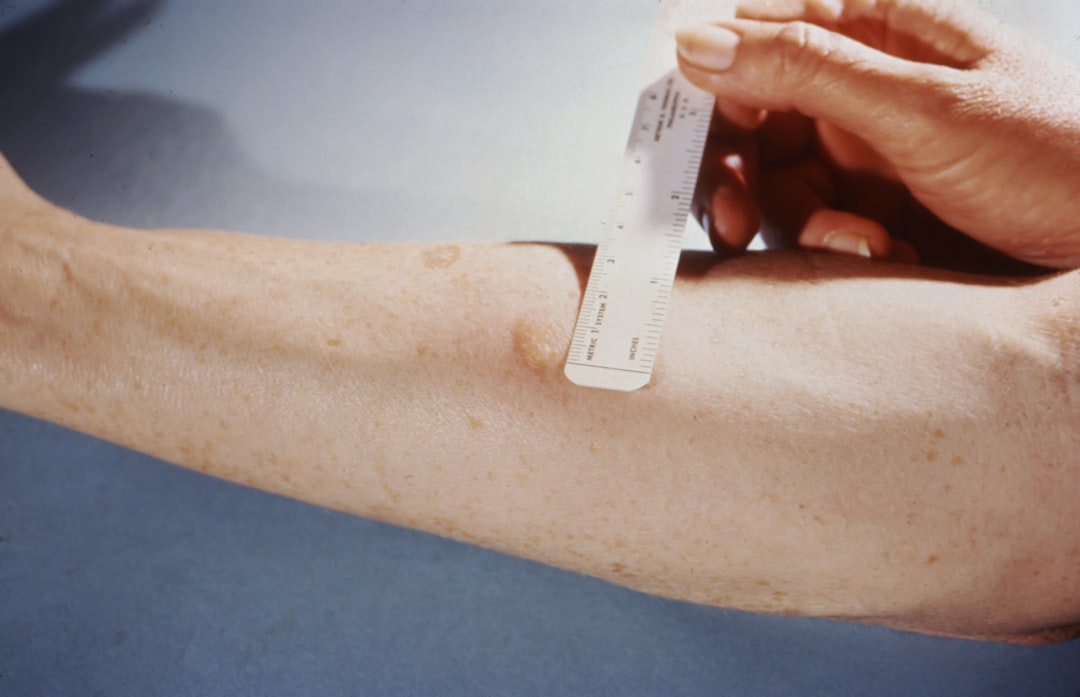



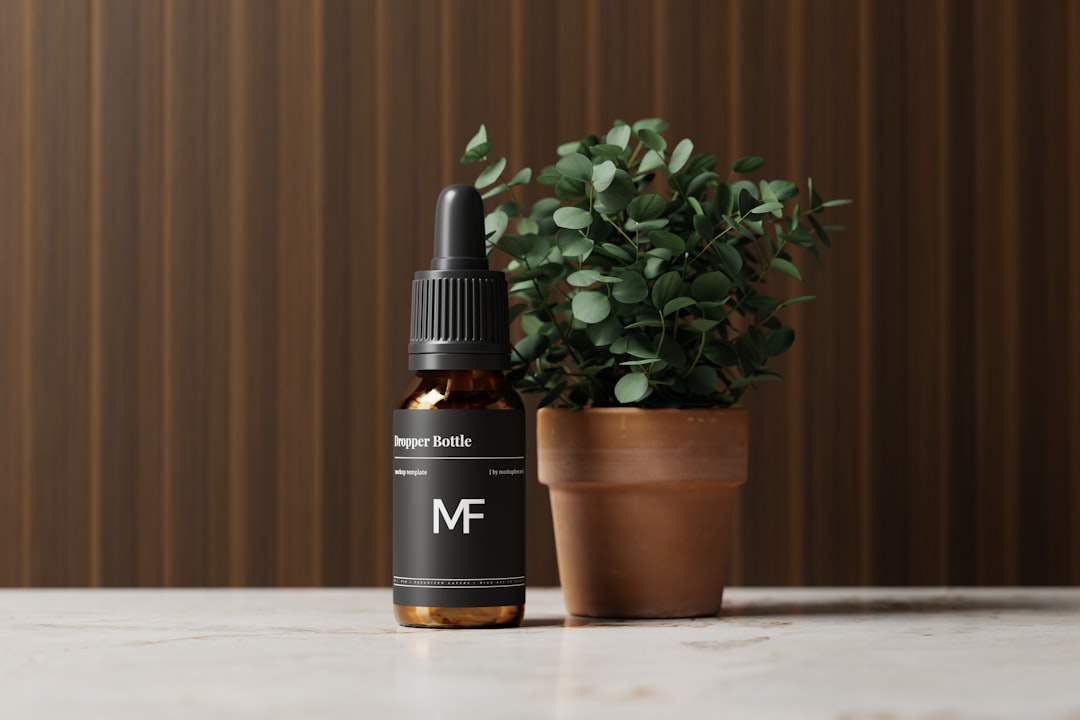
Sublingual immunotherapy, commonly called allergy drops, is the at-home alternative to allergy shots. A few drops of allergen extract under the tongue daily train the immune system to stop reacting, no needles and no weekly office visits required. Our practice has prescribed allergy drops for over 20 years, and we see success rates of 75 to 85 percent across our Waco patient population. The convenience advantage makes drops the right choice for many patients who would not realistically commit to weekly shot visits.
Key takeaways
- Daily at-home liquid, taken under the tongue
- No needles, no weekly office visits
- 75 to 85 percent success rate in our practice
- 3 to 5 year course, same as allergy shots
- Often a better fit for kids and patients with busy schedules
How drops compare to shots
Both treatments deliver the same idea: train the immune system to tolerate allergens. Allergy shots have a slightly higher success rate and a longer track record in the medical literature. Drops have the convenience advantage and are often a better fit for kids, patients with busy work schedules, or anyone who is not going to keep up weekly office visits.
The convenience math
Shots require approximately 30 to 45 office visits during the buildup year and another 12 to 18 per year during maintenance. Drops require zero office visits beyond the initial visit and periodic follow-up. For patients in Killeen, Temple, or other distant towns, the visit time savings is substantial.
The success rate trade-off
For patients who can commit to weekly visits, shots are usually the more cost-effective option because of broader insurance coverage. For patients who cannot, drops are the realistic alternative, and an option that works is always better than a perfect option you cannot complete. Both produce durable benefit lasting many years after treatment finishes.

What the protocol looks like
A custom drop bottle is mixed based on your testing results. Daily dosing starts with a small drop quantity and builds up over the first few weeks. The bottle lasts about a month, and we mail or refill at the office on a regular schedule. Most patients dose once daily at the same time each day, often in the morning before brushing teeth.
First dose in office
The very first dose is given in our office to confirm tolerance. Patients wait 30 minutes for observation, similar to a shot visit. Most patients tolerate the first dose without issues. After confirming tolerance, you continue dosing at home with the same protocol.
Daily routine
Place drops under the tongue, hold for 1 to 2 minutes (so the medication absorbs across the oral mucosa), then swallow. No food or drink for 5 minutes after. Most patients build the routine into morning hygiene without difficulty. Missing a few days does not undo progress, but consistency matters for treatment effect.
Refill schedule
Bottles last about a month. We refill via mail or in-office pickup on a regular schedule. Patients establish a refill rhythm within the first few months. Running out is rare with good systems in place.
Mail order vs in-office refill
Refill logistics matter for patients across the region.
Mail order convenience
For patients in Killeen, Temple, and other distant towns, mail-order refills are the standard. Bottles ship monthly. Patients establish a delivery rhythm and rarely run out.
In-office pickup
For Waco-area patients who prefer it, in-office pickup is also available. Some patients combine pickup with periodic follow-up visits to consolidate trips.
Vacation and travel
Patients can take bottles on vacation. Cooler temperatures preserve the drops better than heat. For longer trips, ordering an extra bottle in advance ensures continuity. Drops do not require refrigeration but should be kept out of direct sunlight and high heat.
Side effects and safety
Mild mouth itching or tingling for the first few minutes after dosing is common and usually resolves within the first month. Severe reactions are very rare with drops, much rarer than with shots. The first dose is given in our office to confirm tolerance.
Common mild reactions
Lip or tongue itching for a few minutes after dosing. Mild stomach discomfort if you swallow before the medication absorbs. These reactions are normal and typically subside as the body adjusts to the protocol. They are not reasons to discontinue treatment.
Serious reactions
Severe reactions are rare with sublingual immunotherapy, much rarer than with shots. Most documented serious reactions involve patients with uncontrolled asthma at the time of dosing. We screen for this before starting and monitor throughout treatment. Patients with stable asthma can use drops safely.
Pregnancy considerations
Drops can typically be continued during pregnancy if started before pregnancy and tolerated well. Starting drops during pregnancy is generally not recommended. We discuss specific situations during planning visits.
Drop tablet alternatives FDA-approved
Beyond custom-mixed drops, FDA-approved sublingual tablets exist for specific allergens.
Grastek for grass pollen
Grastek is FDA-approved for grass pollen allergy. It contains timothy grass extract and is approved for ages 5 and older. Daily dosing during grass season provides good control for grass-only allergic patients.
Ragwitek for ragweed
Ragwitek is FDA-approved for ragweed allergy. Daily dosing starts before ragweed season and continues through the season. Approved for adults.
Odactra for dust mite
Odactra is FDA-approved for house dust mite allergy. Daily year-round dosing addresses perennial dust mite symptoms. Approved for adults.
Tablet vs custom drops
Tablets are FDA-approved with broader insurance coverage. They cover single allergens (one tablet for grass, one for ragweed, one for dust mite). Custom drops cover multiple allergens in one bottle. Patients with multi-allergen sensitization usually do better on custom drops because all relevant allergens are addressed in one daily dose.

Insurance reality
Drop coverage is more variable than shot coverage. Some plans cover everything, some plans cover the office visits but not the bottle, some plans do not cover drops at all. We verify your coverage before you start and provide cost estimates upfront. For patients without coverage, drops are typically several hundred dollars per month.
Why coverage varies
Sublingual immunotherapy in custom-mixed form is FDA approved (it is the same allergen extract used for shots, just delivered differently), but reimbursement codes are inconsistent across insurers. Some plans treat drops the same as shots; others do not cover them at all. This is changing as drops become more widely accepted, but for now coverage is plan-specific.
Self-pay considerations
Patients without coverage typically pay several hundred dollars per month for custom drops. Over a 3 to 5 year course, the total cost can add up. Compare to lifetime daily medication costs and the math often still favors drops for patients with significant ongoing allergic disease.
Who is a good candidate
Patients with environmental allergies (pollen, mold, dust mite, pet dander) are good candidates for drops. We can also treat some food allergies with sublingual immunotherapy in select cases. The first step is allergy testing to identify what to put in the bottle.
Best fit candidates
Pediatric patients who do not tolerate weekly shots. Patients with significant needle aversion. Patients with busy schedules or distant commutes that make weekly visits impractical. Patients with multiple sensitivities who would benefit from custom multi-allergen treatment. Take the immunotherapy candidacy quiz to see if drops fit your situation.
When shots fit better
Patients whose insurance covers shots but not drops. Patients seeking the highest possible success rate. Patients who prefer office-based treatment over at-home self-administration. Patients with very severe disease where the slightly higher shot success rate matters.
Pediatric considerations
Drops are often a better fit for children than weekly shots. Daily at-home dosing fits family routines without disrupting school. Most pediatric allergists do not start immunotherapy below age 5, though there is growing evidence for earlier treatment in some cases. Read more about pediatric allergy services at our pediatric allergist page.
How to start
First step is allergy testing if you have not already had it. Once we know what you are allergic to, we mix your drop bottles and schedule your first in-office dose. Most patients can start within 2 to 3 weeks of testing. Read more about our allergy testing process.
Patient flow vignettes
Real patient patterns illustrate how drops fit into different lifestyles.
The pediatric drops patient
A 7-year-old with cedar, oak, and dust mite allergies started drops after parents declined weekly shots. Daily morning dosing fits into the school routine. Two years in, the child's seasonal symptoms have decreased substantially and daily medication needs have dropped.
The Killeen commuter
A Killeen patient with grass and ragweed allergies chose drops over shots because the weekly Waco drive was not realistic. Mail-order refills arrive monthly. Annual follow-up visits combined with telehealth check-ins maintain the treatment relationship.
The needle-averse adult
An adult patient with severe needle phobia chose drops for environmental allergies. The first in-office dose was completed without difficulty, and home dosing has continued for three years. Symptom improvement matches what shot patients typically report at the same point.
Continuity over the treatment course
Drop treatment runs 3 to 5 years, the same as shots. Annual or semi-annual follow-up visits assess progress. We adjust the formulation if testing reveals new sensitivities during treatment. Most patients complete the full course and report improvement that persists for years afterward.
Common questions about drops
Patients considering drops often have specific concerns worth addressing.
Will it work as well as shots?
In our practice, drops succeed in 75 to 85 percent of patients compared to 85 to 90 percent for shots. The difference is meaningful but the success rate for drops is still high. For patients who would not realistically commit to weekly shots, drops are clearly the better choice.
What happens if I miss doses?
Missing a few days does not undo progress, but consistency matters. Patients who maintain near-daily dosing through the 3 to 5 year course see better outcomes than those with frequent gaps. Building dosing into morning routine helps consistency.
Can I stop early if I feel better?
Stopping early reduces the long-term benefit. The full 3 to 5 year course produces the immune-system changes that persist for many years afterward. Stopping at 1 or 2 years often means symptoms return within months. We discourage early stopping unless there is a specific medical reason.
When to schedule
If you are interested in immunotherapy but cannot commit to weekly shot visits, if you have a child who would benefit from treatment but does not tolerate injections, or if you have specific lifestyle factors that make drops the better fit, schedule an evaluation. New patient visits are typically within 1 to 3 weeks. Start at our new patients page.