

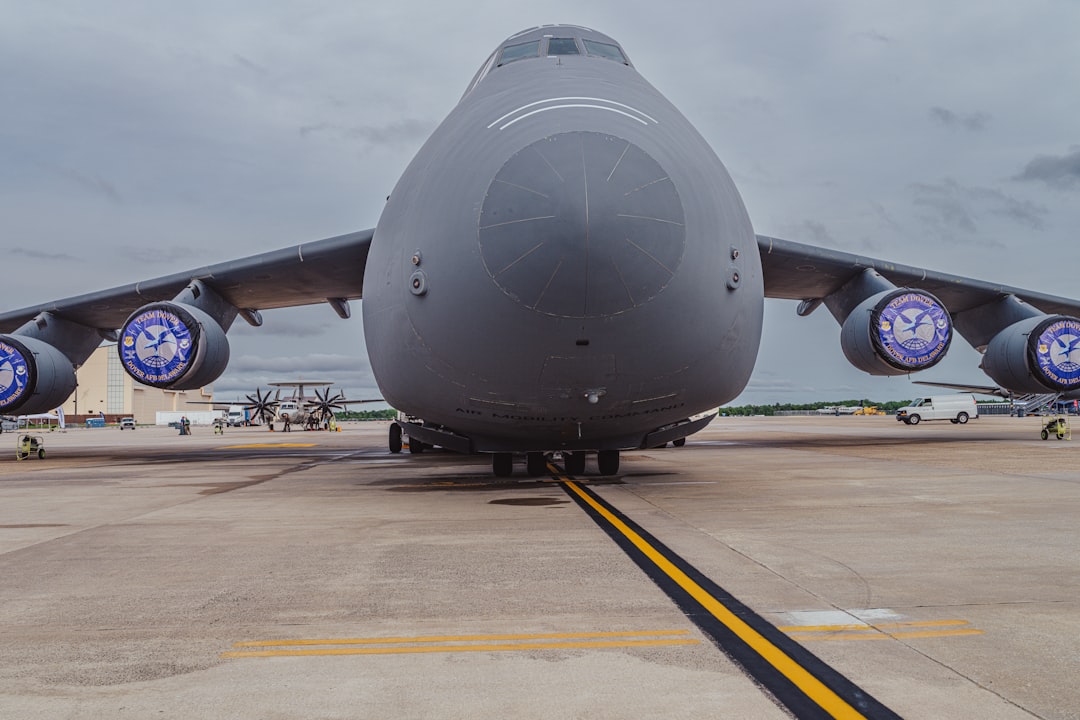
Fort Cavazos is one of the largest active-duty military installations in the world, and it sits squarely in one of the most challenging allergy regions in the United States. Tens of thousands of service members and their families arrive here from every corner of the country, and within a year or two, many of them develop allergy symptoms they have never experienced before. Mountain cedar, oak pollen, grass pollen, dust mites, and mold create a year-round allergen load that catches newcomers off guard. At Allergy and Asthma Care of Waco, we have been treating Fort Cavazos families for decades, and we understand the specific challenges military life adds to allergy management.
Key takeaways
- We accept TRICARE Standard and TRICARE Prime and are experienced with the military referral and authorization process.
- When you PCS, we coordinate with your new duty station's allergist to transfer your immunotherapy protocol so treatment is not interrupted.
- Telehealth follow-ups and sublingual allergy drops (taken at home) help accommodate unpredictable military schedules and field rotations.
Why Fort Cavazos families struggle with allergies
The pattern is consistent: a service member or family member arrives at Fort Cavazos from a duty station in the Pacific Northwest, the Southeast, or overseas. For the first year, everything seems fine. By the second or third year, they are dealing with persistent congestion, sinus pressure, itchy eyes, headaches, and fatigue that does not respond to rest. Some develop asthma symptoms for the first time in their lives.
This happens because allergen sensitization is cumulative and location-dependent. Central Texas has a unique allergen profile dominated by mountain cedar (Ashe juniper), which produces pollen from December through February in concentrations that do not exist anywhere else in the country. Your immune system has to encounter this pollen for one or two seasons before it develops the overreaction we call an allergy. Once sensitized, you will react every year, often with increasing severity.
Fort Cavazos itself is surrounded by cedar-covered hills to the west and grasslands to the east. The training areas expose soldiers to heavy pollen and mold concentrations during field exercises. On-post housing near wooded areas or creeks can have elevated indoor mold levels. And the stress and fatigue of military life can suppress immune function in ways that make allergic reactions more pronounced.
We also see a pattern among military spouses who spend significant time at home with windows closed, running HVAC systems that recirculate indoor allergens. Dust mites, pet dander, and indoor mold accumulate in tightly sealed post and off-post housing. Many spouses develop year-round symptoms that they initially attribute to frequent colds brought home by school-age children. Allergy testing often reveals a different picture: sensitization to indoor allergens that are constantly present in the home environment.
What we treat
We treat all allergic conditions, with particular focus on the issues military families encounter in Central Texas.
Seasonal allergies
Cedar fever (December through February) is the most common complaint from Fort Cavazos patients. The symptoms are severe: not just a runny nose, but pounding sinus pressure, fatigue that makes it hard to get through a duty day, headaches, itchy and watery eyes, and sore throat. Many patients initially think they have the flu. Oak pollen follows in spring, then grass pollen dominates summer. Ragweed peaks in early fall. Soldiers doing field training during any of these seasons face concentrated exposure that can trigger severe symptoms. We publish daily pollen counts and PollenCast forecasts on allergywaco.com so you can anticipate high-pollen days and plan accordingly.
Year-round allergies
Dust mites in on-post and off-post housing are a persistent trigger. Mold is common in older housing units, in bathrooms, and near any of the creeks that run through the installation. Pet dander is a frequent finding when we test military families, many of whom have dogs adopted during their time at Fort Cavazos. Cockroach allergen is another indoor trigger that can be present in older housing units. For families with year-round symptoms, these perennial allergens are often a bigger daily burden than seasonal pollen, even though pollen gets more attention.
Asthma
New-onset asthma after arriving in Central Texas is something we see regularly among Fort Cavazos patients. Allergy-triggered asthma can affect physical fitness test performance, field readiness, and quality of life. Treating the underlying allergy often brings the asthma under control. For active-duty members, this can be the difference between meeting and failing to meet fitness standards. It also affects deployability, as uncontrolled asthma can limit duty assignments. Getting a proper diagnosis and treatment plan early is in your best interest both medically and professionally.
Deployment and field exercise considerations
If you are on an immunotherapy schedule and receive deployment orders or have an extended field exercise, we can adjust your treatment plan. Allergy shots can be paused temporarily and resumed with a modified dosing schedule. Sublingual drops can sometimes be taken in the field, depending on storage conditions and the specific exercise requirements. We work with each patient individually to keep treatment on track despite military demands. This flexibility is something our practice has developed specifically because we work with so many Fort Cavazos patients.
TRICARE and the referral process
We accept both TRICARE Standard and TRICARE Prime. For TRICARE Prime beneficiaries, you will typically need a referral from your primary care manager (PCM) before scheduling an off-post specialist appointment. Here is how the process works:
Talk to your PCM about your allergy symptoms and request a referral to an allergist. Your PCM submits the referral through the TRICARE system. Once approved, call our office to schedule. Our staff has processed hundreds of TRICARE referrals and can answer any questions about the paperwork. The process is usually straightforward and takes a few days to a couple of weeks, depending on how quickly your PCM submits the request.
TRICARE Standard beneficiaries can self-refer to specialists without a PCM referral, though cost-sharing may differ. Contact our office if you are unsure which TRICARE plan you have or what your referral requirements are. We deal with these questions every day and can get you sorted out quickly.
PCS transfers and treatment continuity
This is one of the most important topics for military patients receiving immunotherapy. A full course of allergy shots or drops typically takes 3 to 5 years. If you PCS during that period, your treatment can and should continue at your new location.
When you receive PCS orders, let us know as early as possible. We will prepare a detailed transfer summary that includes your specific allergen extract formulation, your current dosing schedule, your treatment history, and any reactions you have had. We contact the allergy clinic at your receiving installation (or help you find a civilian allergist near your new duty station) and coordinate the handoff. Most receiving clinics can replicate your treatment protocol with minimal disruption.
This continuity planning is something we do routinely. We have transferred patients to installations across the country and overseas. The goal is to protect the progress you have already made so you are not starting over after a move. Even if your next duty station is in a region with a different allergen profile, continuing immunotherapy for Central Texas allergens is still beneficial if there is any chance you will return to the area or encounter similar allergens elsewhere.
Getting here from Fort Cavazos
From Fort Cavazos main gates, the drive to our Waco office is approximately 50 minutes via US-190 East to I-35 South. Traffic near the installation gates can be heavy during morning and afternoon hours, so plan accordingly. Once you are on I-35, the drive is straightforward.
For weekly allergy shot appointments during the build-up phase, the drive is a real time commitment. Two options that help: sublingual allergy drops are taken at home and eliminate the need for weekly office visits. And telehealth follow-ups allow us to check on your progress, adjust your plan, and answer questions without requiring you to make the drive. Many Fort Cavazos patients use a combination of these options to keep their total number of in-person visits manageable.
What to expect at your first visit
Your initial appointment takes about 60 to 90 minutes. We start with a detailed history that includes your military service locations (allergen exposure varies dramatically by region), when symptoms began, and how they affect your daily life and duty performance. For active-duty members, we also discuss how symptoms impact PT, field exercises, and deployment readiness.
Skin prick testing follows. We test for Central Texas allergens plus, when relevant, allergens from previous duty stations. Results come back in about 15 to 20 minutes. Your doctor reviews everything with you and recommends a treatment plan tailored to your allergy profile, your military timeline, and your goals. We are straightforward about what treatment involves, how long it takes, and what you can realistically expect given your military commitments.
Insurance and scheduling
TRICARE Standard, TRICARE Prime, Blue Cross Blue Shield, Aetna, Cigna, United Healthcare, and most other major plans are accepted. Our office staff can help you navigate the TRICARE referral process if needed.
Scheduling is flexible. We understand that military schedules change without much notice, and we do our best to accommodate rescheduling. If your unit schedule makes weekday appointments difficult, let us know and we will find a time that works. We have been working with military families long enough to know that rigid scheduling requirements do not work for people whose schedules are dictated by training calendars and deployment timelines.
Why Fort Cavazos families choose our practice
We have been treating military families from Fort Cavazos for a significant portion of our 45+ year history. Our staff understands TRICARE, PCS challenges, deployment interruptions, and the specific allergen exposures that come with training in Central Texas. We focus on root-cause treatment that produces lasting results, and we have the systems in place to ensure your treatment continues even when the military moves you. If you are dealing with allergies at Fort Cavazos and tired of temporary fixes, call us or schedule through allergywaco.com.