



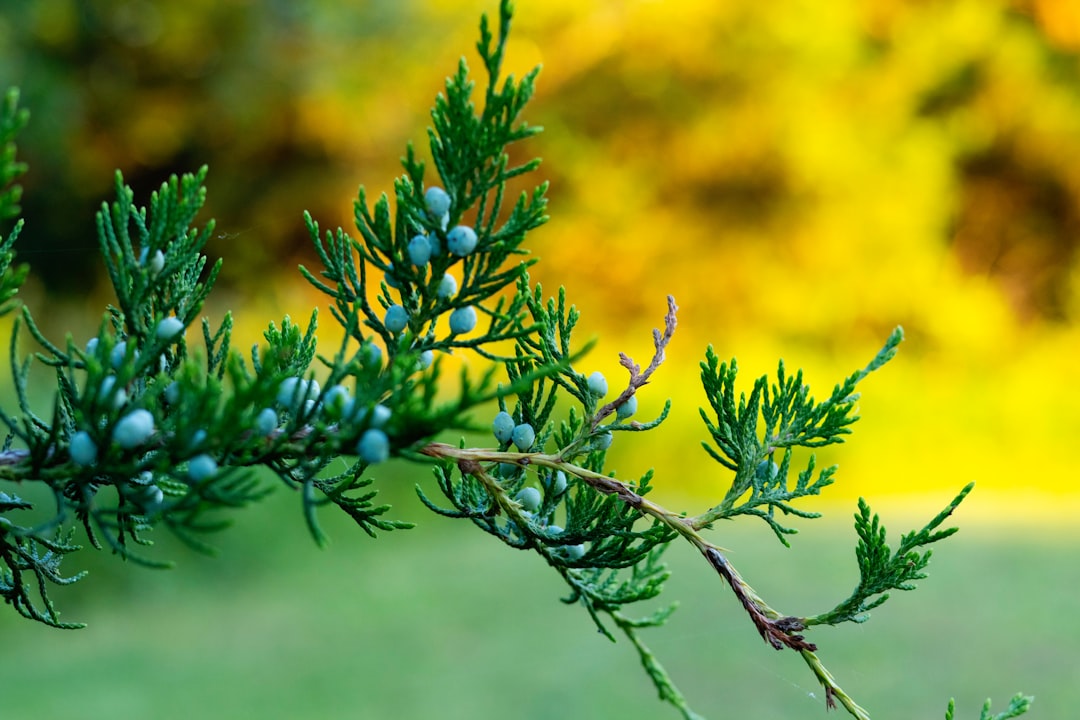
Every winter, Central Texas goes through something that people in other parts of the country find hard to believe. Thousands of people wake up with pounding headaches, noses that will not stop running, eyes so itchy they can barely keep them open, and a fatigue so heavy it feels like the flu. Except it is not the flu. It is cedar fever, and if you have lived in Waco for more than one winter, you probably know exactly what it feels like. Mountain cedar (Ashe juniper) pollen is one of the most potent allergens in North America, and Central Texas sits right in the middle of its range.
Key takeaways
- Cedar fever is an allergic reaction to mountain cedar (Ashe juniper) pollen, not an infection, and despite the name, true fever is uncommon
- Peak season in the Waco area runs from mid-December through mid-February, with January typically being the worst month
- Immunotherapy can reduce cedar fever symptoms significantly over time, and daily pollen tracking helps you plan around the worst days
What cedar fever actually is
Cedar fever is the colloquial name for an allergic reaction to the pollen of Juniperus ashei, commonly called mountain cedar or Ashe juniper. These trees are native to the limestone hills and canyons west of the I-35 corridor, stretching from the Hill Country through the Edwards Plateau. When mature male trees release pollen, they produce visible clouds of yellow-orange dust that can travel hundreds of miles on the wind. On heavy release days, you can watch the pollen drift off tree canopies like smoke.
The name "cedar fever" is misleading because most people do not actually develop a fever. The intense fatigue, body aches, and general malaise that accompany the allergic response can mimic flu symptoms closely enough that the "fever" label stuck. Some patients do develop a low-grade temperature elevation from the immune response, but a true fever above 100.4 degrees usually means you have caught a virus on top of your allergies, which is common in winter when both cedar pollen and respiratory viruses are circulating.
Why cedar pollen is different from other tree pollens
Mountain cedar pollen is unusually allergenic compared to other tree pollens. The protein structure of the pollen grain is particularly effective at triggering an IgE-mediated immune response, which means that even people with relatively mild sensitivity to other pollens can have severe reactions to cedar. The sheer volume of pollen produced is also a factor. A single mature mountain cedar tree can release millions of pollen grains, and the trees grow in dense stands throughout the Hill Country.
Another factor is timing. Most tree pollens are released in spring when people expect allergies. Cedar pollinates in winter, when most people assume their symptoms must be a cold or flu. Many patients go through multiple cedar seasons treating their symptoms with cold medication before realizing allergies are the actual cause.
Cedar fever symptoms in detail
The symptom profile of cedar fever is distinctive once you know what to look for.
Nasal symptoms
Intense nasal congestion is usually the first and most prominent symptom. Both nostrils can become completely blocked, forcing mouth breathing. The congestion is followed by heavy clear watery drainage that can soak through tissues at an alarming rate. Violent sneezing fits, often ten or more sneezes in a row, are common during high pollen days. The nasal lining becomes so inflamed and swollen that even decongestant sprays may provide only partial relief.
Eye symptoms
Cedar pollen is a strong trigger for allergic conjunctivitis. Eyes become red, watery, and intensely itchy. Many patients describe a gritty or burning sensation that is more pronounced with cedar than with other pollens. The eyelids can swell, and some patients develop dark circles under their eyes (allergic shiners) from the chronic congestion affecting blood drainage from the face.
Fatigue and malaise
This is what makes cedar fever feel like an illness rather than "just allergies." The immune response to cedar pollen triggers the release of inflammatory cytokines throughout the body, which produce the same fatigue and achiness you feel when fighting an infection. Patients describe feeling wiped out, unable to concentrate, and needing more sleep than usual. This is not psychological. Your immune system is genuinely working overtime, and that takes energy.
Headaches and sinus pressure
The severe nasal congestion from cedar fever often causes sinus pressure headaches concentrated around the forehead, cheeks, and behind the eyes. The swollen nasal tissues block the openings (ostia) that allow your sinuses to drain, creating pressure buildup. Some patients develop actual sinus infections (bacterial sinusitis) when mucus trapped in the sinuses becomes infected, which adds facial pain and colored discharge to the symptom list.
Throat and ear symptoms
Post-nasal drip from the excess mucus production can cause sore throat, coughing, and a hoarse voice. The eustachian tubes connecting the middle ear to the throat can become swollen and blocked, creating ear pressure, fullness, and sometimes hearing changes. These ear symptoms are especially common in children with cedar allergies.
When cedar season hits the Waco area
The timing of cedar pollen release is driven by weather. The trees need a specific pattern: a period of cool weather followed by warm, dry conditions. Cold fronts followed by sunny days in the 60s and 70s are the classic trigger for mass pollen release.
In the Waco area, pollen typically starts appearing in mid to late December. January is almost always the worst month, with some days reaching extreme pollen counts. February usually brings a gradual decline, though cold snaps followed by warm spells can cause late-season spikes. By early March, cedar season is usually over, and oak pollen begins taking its place.
The intensity of any given cedar season varies year to year. Drought stress on the trees the previous summer can actually increase pollen production the following winter as the trees prioritize reproduction. Wet springs that produce healthy tree growth can also lead to heavier pollen years.
You can track daily cedar pollen counts on allergywaco.com, where a certified in-house pollen counter measures what is actually in the air locally. National pollen forecasts are less useful because they do not capture the hyper-local variations that matter in Central Texas. A day that is moderate in Austin might be extreme in Waco depending on wind direction.
Treatment options for cedar fever
Over-the-counter medications
For mild cedar fever, non-sedating oral antihistamines (cetirizine, loratadine, fexofenadine) reduce sneezing and itching. Nasal steroid sprays (fluticasone, mometasone) are more effective for congestion and work best when started a week or two before cedar season begins. Antihistamine eye drops (ketotifen) help with eye symptoms. Using all three together provides reasonable coverage for many patients.
The key with nasal steroids is consistency. They do not work like decongestants that provide instant relief. They reduce underlying inflammation over days and need to be used daily throughout the season to maintain their effect. Starting them in early December, before pollen counts climb, gives them time to build up their protective effect.
Prescription medications
When over-the-counter options are not cutting it, prescription antihistamine nasal sprays (azelastine), combination sprays (azelastine plus fluticasone), and leukotriene modifiers (montelukast) can add another layer of symptom control. For acute severe flares, a short course of oral corticosteroids can provide dramatic relief, though these are reserved for the worst episodes due to side effects with prolonged use.
Immunotherapy: the long-term play
If your cedar fever is severe enough that medications alone do not give you adequate relief, or if you are tired of dreading every December through February, immunotherapy is the most effective long-term treatment. Allergy shots involve regular injections of gradually increasing doses of cedar pollen extract over three to five years. They retrain your immune system to tolerate cedar pollen instead of overreacting to it. Success rates are around 85 to 90 percent.
Allergy drops (sublingual immunotherapy) are an alternative for patients who prefer to take their treatment at home. You place drops containing cedar pollen extract under your tongue daily. Success rates are somewhat lower, around 75 to 85 percent, but the convenience factor is significant for people with busy schedules or who live far from the clinic.
We offer both options at our clinic and provide guidance on which approach fits your specific situation, schedule, and medical needs. Many patients start noticing improvement during their first cedar season on immunotherapy, with maximum benefit developing over the full course of treatment.
Practical survival tips for cedar season in Waco
While medications and immunotherapy address the underlying problem, day-to-day management during cedar season makes a real difference in how miserable you feel.
Check the daily pollen count before planning outdoor activities. On extreme count days, limiting time outside, especially in the morning when pollen release peaks, reduces your exposure. Keep car and home windows closed and run HVAC systems on recirculate. Shower and change clothes after any extended time outdoors. Nasal saline rinses physically wash pollen out of your nasal passages and provide immediate relief from congestion.
If you exercise outdoors, timing matters. Pollen counts tend to be lower after rain and in the late afternoon. Exercising in a gym or indoor facility during peak cedar weeks is not giving up. It is being practical.
Cedar fever can make you feel genuinely sick, and there is nothing wrong with treating it that seriously. Adequate sleep, hydration, and reducing your overall inflammatory load through good nutrition all help your body handle the immune response better. We have treated cedar allergies in Central Texas for over 45 years, and the patients who do best are the ones who plan ahead rather than wait until they are already miserable to start treatment.
Cedar fever myths and facts
Several persistent myths about cedar fever circulate in Central Texas every winter, and correcting them helps patients manage their symptoms more effectively.
Myth: cedar fever causes actual fever. Fact: the name is misleading. True fever (temperature above 100.4 degrees) is uncommon from cedar allergy alone. The fatigue and malaise are caused by inflammatory cytokines, not infection. If you have a genuine fever during cedar season, a viral infection on top of your allergies is the more likely explanation.
Myth: you can become immune to cedar by living in Central Texas long enough. Fact: exposure does not create immunity. If anything, prolonged residence in the region increases sensitization as your immune system builds more IgE against cedar pollen with each annual exposure. Some patients develop cedar allergy years or decades after moving to the area.
Myth: eating local honey prevents cedar allergy. Fact: this is one of the most persistent folk remedies and there is no scientific evidence supporting it. The amounts of tree pollen in honey are negligible, and the mechanism by which oral pollen exposure could modify nasal IgE responses has not been demonstrated in any controlled study. Honey tastes good. It does not treat cedar fever.
Myth: moving away is the only cure. Fact: immunotherapy is effective for most patients and does not require relocation. That said, patients who temporarily leave the area during peak cedar weeks (the "cedar vacation" concept) do find relief because they are removing themselves from the exposure. The symptoms return when they come back, unless they are on immunotherapy that is reducing their sensitivity.
Myth: cedar pollen only affects people outdoors. Fact: cedar pollen enters homes through doors, windows (even when closed, through gaps and air leaks), and on clothing and pets. Indoor pollen levels during peak cedar can be significant, which is why HEPA air purifiers and showering before bed make a difference. You can have cedar symptoms without spending significant time outdoors if your indoor pollen load is high enough.
When cedar fever leads to secondary complications
Untreated cedar allergy does not just make you miserable for two months. It creates conditions that lead to additional medical problems. The chronic nasal obstruction blocks sinus drainage, setting up secondary bacterial sinus infections that require antibiotics. Eustachian tube dysfunction from the swelling can cause middle ear fluid accumulation, particularly in children, sometimes leading to ear infections or temporary hearing loss. Post-nasal drip from the excess mucus production causes chronic cough and sore throat that persist throughout the season and sometimes beyond. And the combination of poor sleep from nasal obstruction and immune-mediated fatigue can affect work performance, driving safety, academic performance in students, and overall mental health during what is already a challenging time of year (January and February are already associated with seasonal mood changes independent of allergies).
This cascade of secondary complications is a strong argument for treating cedar allergy proactively rather than toughing it out. Each complication (sinus infection, ear problems, chronic cough, sleep disruption, fatigue) has its own downstream effects, and collectively they add up to a substantially reduced quality of life for two to three months every year. Preventing the primary nasal inflammation with pre-season nasal steroids interrupts the cascade before it starts, and for patients on immunotherapy, the reduced inflammatory response means fewer complications with each passing year of treatment.