



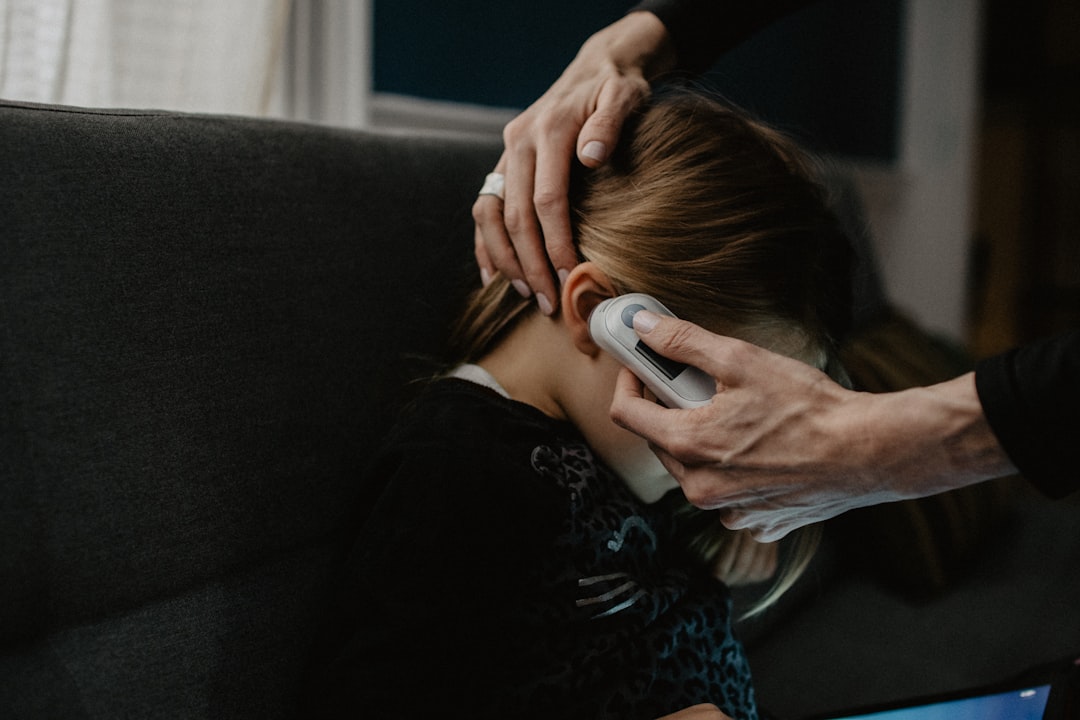
Recurring ear infections are one of the most common reasons families end up in our pediatric practice, often referred by the pediatrician or ENT after a third or fourth course of antibiotics. Parents arrive frustrated because the cycle keeps repeating: cold, ear infection, antibiotics, brief relief, then back to congestion and another infection. The piece that gets missed in some cases is the allergic contribution, and treating it can shorten the bad years considerably. Not every recurrent ear infection is allergic, but for the kids whose infections cluster during pollen seasons or who have other allergic symptoms, the connection is meaningful.
Key takeaways
- Allergic congestion in the nose extends to the eustachian tubes
- Poor eustachian drainage leads to fluid accumulation and recurrent infection
- Treating underlying allergies can reduce infection frequency in kids who have allergic disease
- Most kids outgrow recurrent ear infections by ages 6 to 8 as anatomy matures
- ENT and allergist often work together for kids with multiple drivers
The eustachian tube connection
The eustachian tube runs from the back of the nose to the middle ear. Its job is equalizing pressure and draining fluid. In kids, these tubes are shorter and more horizontal than in adults, which makes drainage less efficient at baseline. Add allergic inflammation in the nasal passages, and the tubes swell shut. Fluid builds up behind the eardrum. Bacteria find that fluid and turn it into infection.
Why young kids are uniquely vulnerable
Toddler eustachian tube anatomy is the worst possible setup for ear health: short, narrow, and angled almost horizontally. By ages 6 to 8, the tubes have lengthened and angled downward, which improves natural drainage. Most kids who had recurrent infections in early childhood see them disappear during this window even without intervention. The question is what to do during the difficult years.
Allergic vs viral triggers
Most ear infections start with a viral upper respiratory infection that causes nasal congestion. The virus does not infect the ear, but the congestion blocks drainage and lets bacteria multiply in trapped fluid. Allergic patients have more nasal congestion at baseline, more eustachian dysfunction, and more frequent infections downstream of any viral trigger. Treating the allergy reduces the baseline congestion that turns small viruses into ear infections.
When to think allergic contribution
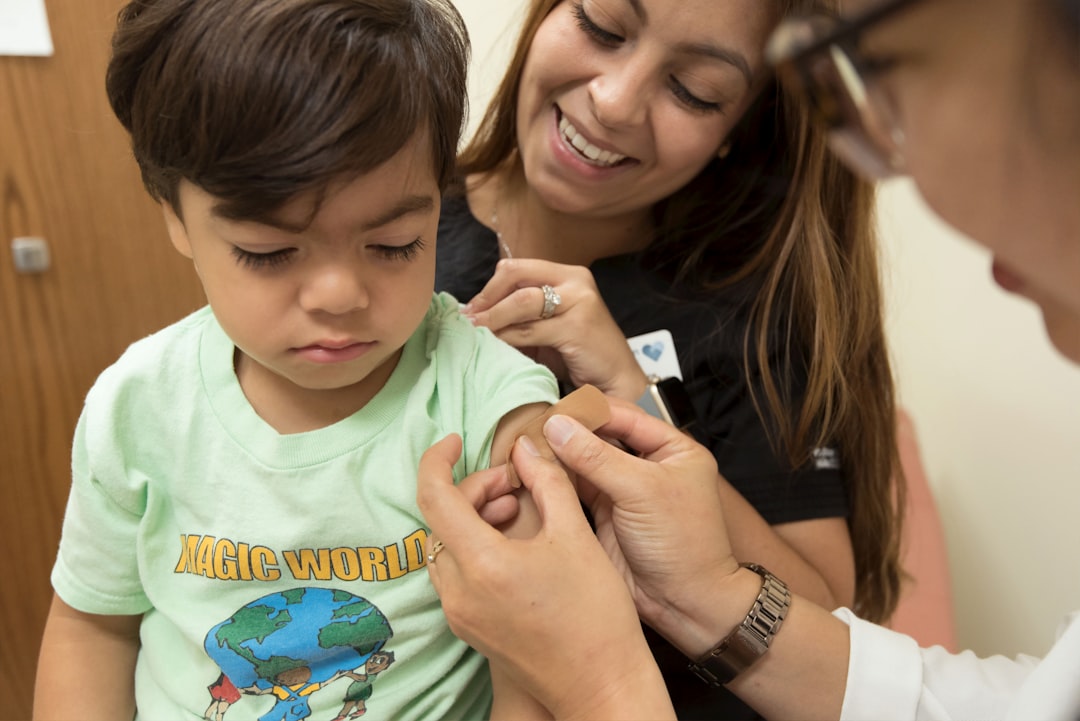
Kids who get ear infections during pollen seasons, kids with chronic nasal symptoms between infections, kids with a family history of allergies, and kids whose ear infections do not fully clear despite multiple antibiotic courses all warrant allergy evaluation. Not every case of recurrent ear infections is allergic, but the proportion that is allergic-driven is meaningful enough that testing changes management for many families.
The seasonal pattern
If your child's ear infections cluster around pollen seasons (cedar in winter, oak in spring, ragweed in fall), allergies are almost certainly contributing. Track daily pollen counts against infection timing in a simple log. Three or four data points usually clarify the picture.
Other red flags
Persistent nasal congestion between colds. Mouth breathing. Snoring. Allergic shiners (the dark circles under the eyes). Eczema or food allergies in the same child or in siblings. Each of these raises the probability that allergic disease is contributing to the ear pattern. Read our coverage of mouth breathing in kids for the broader pattern.
Daycare exposure
Kids in daycare have substantially higher rates of viral upper respiratory infections, which means more triggers for ear infections in allergic kids. The combination of frequent viral exposure and underlying allergic inflammation produces the worst pattern. Treating the allergic component is one of the few levers parents have when daycare schedules cannot change.
How recurrent ear infections are evaluated
A first visit covers the symptom history, infection timeline, antibiotic courses, and family allergic history. We examine ears, nose, and throat. Skin testing identifies specific triggers when symptoms warrant.
Audiometry and tympanometry
Hearing tests and middle-ear pressure tests document persistent fluid behind the eardrum. Some kids develop hearing loss from chronic effusion that resolves once the underlying drainage issue is treated. Documentation matters for tracking progress and for making decisions about ear tube placement.
When to involve ENT first
For kids who have already met the threshold for ear tube placement (more than 3 infections in 6 months or more than 4 in 12 months), ENT evaluation should happen first or simultaneously. We often work in parallel with ENT for these kids: ENT addresses the structural drainage issue, we address the underlying allergy.
Pediatric allergy testing
We test kids of all ages when symptoms warrant it. Skin testing focuses on relevant Central Texas allergens (cedar, oak, grasses, ragweed, dust mites, pet dander, mold). Blood testing is an alternative for younger kids or when skin testing is not practical. Results during the visit when skin testing is used. Read more about allergy testing in our office.
What we test for in this age group
For kids 2 to 6, our standard panel covers the major Central Texas environmental allergens that drive most chronic congestion: cedar, oak, mesquite, Bermuda and Johnson grass, ragweed, dust mites, cat, dog, and the major mold species. We can add other allergens based on symptom history. Food allergies are tested separately when reaction history suggests them.
Comfort and distraction during testing
Skin testing is itchy rather than painful for most kids. Tablets, parent phones, favorite toys, and our staff's experience with pediatric testing combine to make the visit much less stressful than parents expect. We pause for breaks if needed and adapt to each child's tolerance.
Treatment that fits the age
For mild to moderate allergic disease, daily nasal steroid spray and trigger avoidance work well. Pediatric formulations are FDA approved for kids as young as 2. For kids with significant allergic loads and persistent ear issues, immunotherapy (especially sublingual drops, which are easier for daily compliance in young children) treats the underlying cause. Most pediatric allergists do not start immunotherapy below age 5, though there is growing evidence for earlier treatment in some cases.
Why drops often beat shots for kids
Sublingual drops are dosed once daily at home. No needles, no weekly office visits, no school disruption. Compliance is much better than weekly shots for the under-10 age group. Success rates run 75 to 85 percent in our practice across more than 45 years of treating Central Texas families. Drops are a particularly good fit for parents who do not want to commit to weekly office travel during build-up phase.

Saline routines for younger kids
For children too young to tolerate Neti pots, saline spray bottles or saline drops paired with a nasal aspirator can clear accumulated mucus. Daily use during peak allergy seasons reduces overall symptom burden and supports nasal breathing. Parents who add this routine often report fewer ear infections within a few months.
What happens if recurrent ear infections go untreated
Most kids outgrow recurrent ear infections by ages 6 to 8 even without specific intervention. The question is what happens during the years before resolution.
Hearing and language development
Persistent middle-ear fluid produces conductive hearing loss in kids. During the language-learning years, even mild hearing loss can affect speech development and school readiness. Treating the underlying drainage issue protects developmental milestones.
Cumulative antibiotic exposure
Repeated courses of antibiotics for ear infections affect the gut microbiome, drive antibiotic resistance, and add side effects across the child's early years. Reducing infection frequency reduces antibiotic exposure, which has long-term benefits beyond the immediate ear health.
Tube placement risk
Studies suggest kids with allergic disease who get ear tubes have higher rates of repeat tube placement than non-allergic kids unless the allergy is also treated. Combining tube placement with allergy management often produces the best long-term outcome.
Coordinating with ENT
For kids who have had multiple infections or persistent fluid, ENT evaluation usually happens in parallel. Tubes are sometimes the right answer regardless of the allergic component. We coordinate with local ENTs to make sure both the structural and allergic pieces are addressed. Treating allergies during and after tubes can reduce the chance of needing repeat placement.
When to call same-day vs go to the ER
Most pediatric ear infections do not need urgent specialist care. Some warrant urgent evaluation.
Same-day allergist call
A child with recurrent ear infection pattern who has a new acute infection alongside chronic allergy symptoms. New asthma flare during ear infection. Established patients can usually be seen same-day or next-day for these.
Pediatrician or ENT same-day
Acute ear infection with fever in young children should be evaluated by the pediatrician same-day or next-day. Persistent fluid 4 to 6 weeks after antibiotic treatment warrants ENT follow-up.
ER red flags
High fever in infants under 3 months. Severe ear pain with neck stiffness or photophobia (rule out meningitis). Sudden facial weakness or asymmetry. Drainage of pus from the ear with high fever. Severe headache or vomiting alongside ear pain.
What to expect at the first visit
A first pediatric visit typically runs 60 to 90 minutes including testing if appropriate. We take a thorough history covering ear infection timing, antibiotic courses, sleep patterns, daytime symptoms, family allergy history, and home environment. Skin testing for kids covers a smaller targeted panel than adult testing. We discuss results before you leave and outline a treatment plan. Read more about our pediatric allergy services.
Working with the pediatrician
Pediatricians manage most pediatric ear infections directly, with referrals to allergy or ENT when patterns warrant. We coordinate updates back to the pediatrician after each visit so the primary care record stays current. Parents do not need to re-explain the workup at every appointment because the records flow back. For families whose pediatrician has not raised allergy as a possibility, parents can self-refer or ask for a referral when patterns suggest allergic contribution.
When pediatrician referral makes more sense than self-referral
Self-referral is fine for established allergy patterns. For ambiguous presentations, pediatrician referral helps because the pediatrician can rule out other causes (immunodeficiency, anatomical abnormalities, chronic upper respiratory issues) before allergy workup. Either path works; we accept both.
When to schedule
If your child has had more than 3 ear infections in 6 months, more than 4 in 12 months, persistent fluid behind the eardrum, or any combination of ear infections plus chronic nasal symptoms, allergy evaluation is appropriate. New patient visits are typically within 1 to 3 weeks. We accept most major insurance plans including pediatric Medicaid managed care. Schedule through new patients.