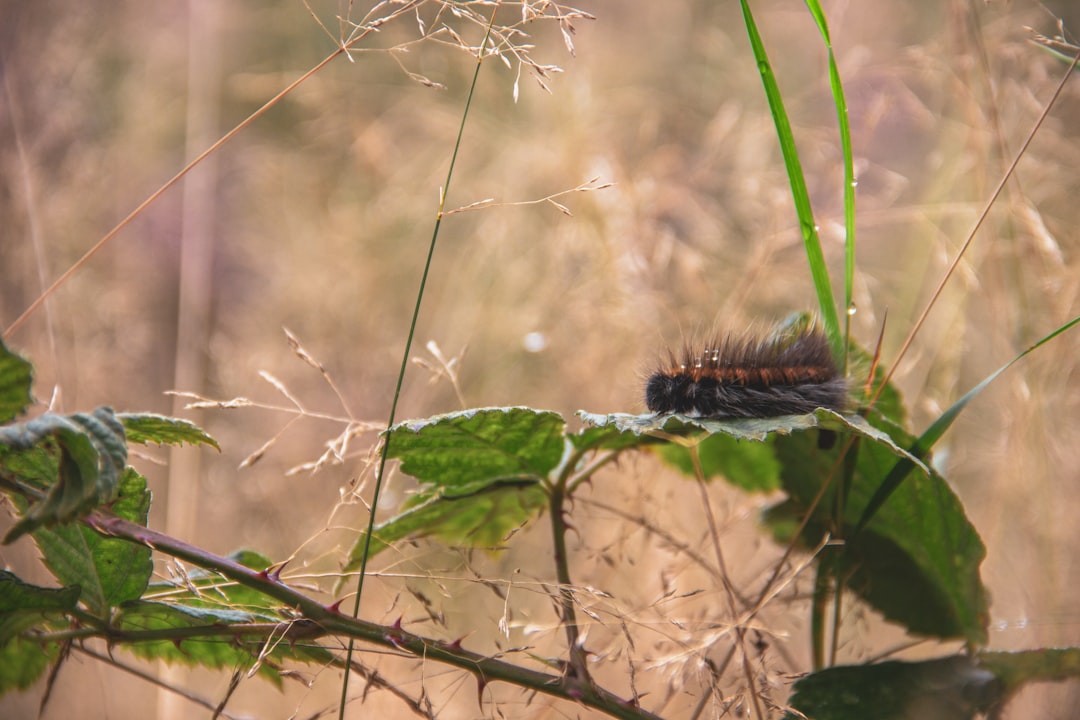



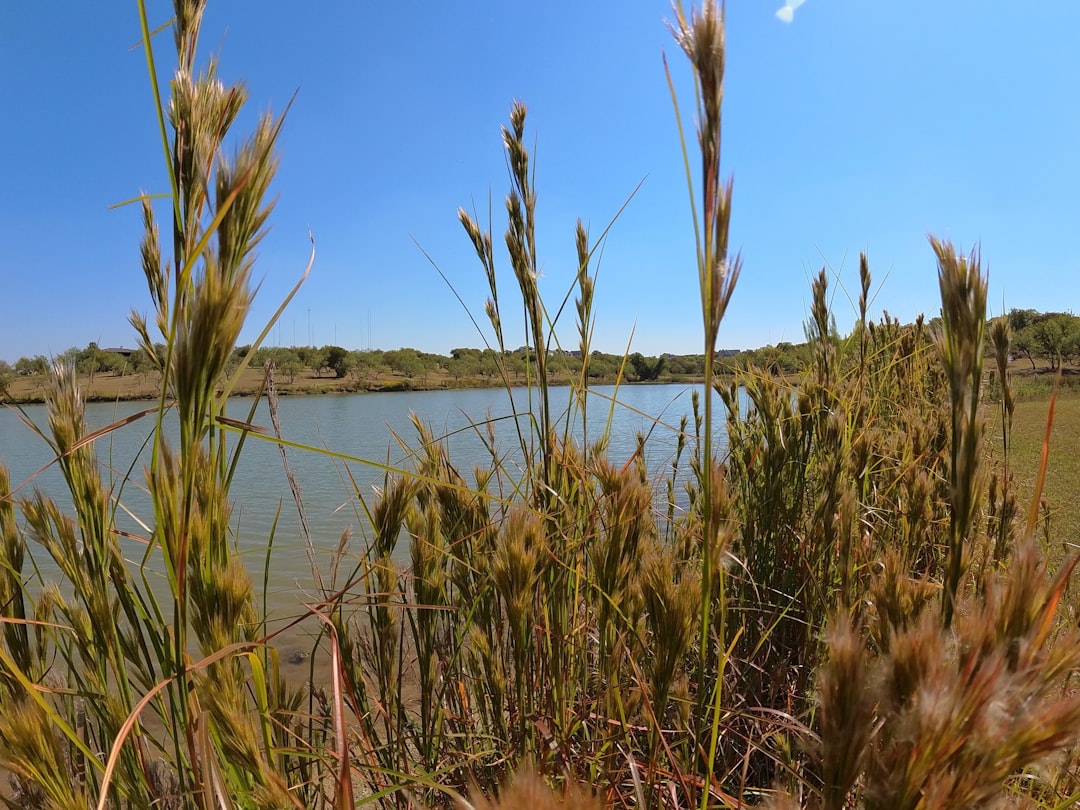
Johnson grass is the tall coarse grass you see growing in clumps along Texas roadsides. It is unmanaged, drought-tolerant, and shows up wherever land has been left alone long enough for it to take over. From an allergic standpoint, it is a significant contributor to the summer grass pollen load across Central Texas. Patients who drive country roads, work outdoors, or live near fields and ranchland often pick up Johnson grass sensitization on top of Bermuda and other lawn grasses, which means a longer total grass season and more difficult symptoms.
Key takeaways
- Johnson grass grows wild along Texas roadsides, fencerows, and unmanaged land
- Pollination runs May through October with peaks in summer
- Patients with rural or outdoor exposure often have multiple grass sensitizations
- Treatment principles are similar to other grass allergies including immunotherapy
- Roadside exposure during summer commutes is a frequently overlooked source
What makes Johnson grass different
Bermuda dominates managed lawns. Johnson grass dominates unmanaged land. The two species often coexist in the same area but their pollen production patterns are different. Johnson grass produces tall seed heads with substantial pollen output during summer warm spells. Bermuda produces lower seed heads but does so more consistently across a longer season. Patients exposed to both have a longer total grass season than patients exposed to either alone.
The botanical specifics
Sorghum halepense is a tall (3 to 7 feet) perennial grass that spreads aggressively through both seeds and underground rhizomes. The seeds and pollen are produced from large terminal panicles in summer. Once established on a piece of land, it is extremely hard to eliminate. Texas has classified it as a noxious weed in some agricultural contexts because of its aggressive growth and resistance to control.
Historical spread across Texas
Johnson grass was introduced to the southern United States in the 19th century as a forage crop, named for an Alabama farmer. It quickly escaped cultivation and naturalized across Texas and the broader South. Today it occupies essentially every available roadside, ditch, and unmanaged piece of land across the state. The historical pattern means agricultural communities have been exposed to it for generations.
Why agricultural communities see it most
Johnson grass thrives in disturbed soil, which means farmland edges, fallow fields, and areas where construction has disrupted established vegetation. Cattle pastures and the borders of cultivated fields often have substantial Johnson grass populations. Patients in east McLennan County and other ranching areas have especially high exposure.

Where Central Texas Johnson grass exposure is highest
Rural roads, especially during summer when verges and ditches are not mowed regularly. Ranchland, where Johnson grass takes over disturbed pastures. Urban edges where lots have been allowed to grow wild. Highway shoulders along I-35, US-77, and the smaller state highways. If you spend a lot of time driving with the windows down or working outdoors in unmanaged areas, your exposure is high.
Highway commute exposure
Patients commuting on rural highways during peak Johnson grass season often experience symptoms within minutes of starting the drive. Cabin air filters help, but only HEPA-rated filters meaningfully reduce pollen. Closed windows and recirculated AC during peak weeks reduce exposure substantially. Patients who commute by motorcycle or in vehicles without working AC have particularly high exposure.
Occupational exposure considerations
Several Texas occupations involve essentially unavoidable Johnson grass exposure during summer.
Ranchers and field workers
Ranching, agricultural work, and outdoor labor all involve direct contact with stands of Johnson grass at peak pollen output. Workers walking through fields during pollen release inhale concentrations many times higher than urban patients ever experience. Daily medication management prevents most chronic symptoms. For workers with significant exposure that cannot be reduced, immunotherapy is the better long-term answer.
Roadside maintenance crews
Texas Department of Transportation crews, county road workers, and utility line maintenance teams spend hours per day adjacent to Johnson grass stands. Mowing operations release massive amounts of pollen. Wearing N95 masks during mowing operations is standard PPE for some agencies and remarkably effective at reducing exposure.
Land surveyors and inspectors
Surveyors and environmental inspectors who work across rural property lines move through Johnson grass continuously. They often have less control over schedule than other outdoor workers. Pre-exposure antihistamine doses before fieldwork days help symptomatic workers function.
Symptoms and seasonal pattern
Standard grass pollen symptoms: sneezing, runny nose, itchy eyes, post-nasal drip, asthma flares in patients with airway sensitivity. The Johnson grass season runs through the hottest part of summer when patients sometimes attribute symptoms to dust or general air quality rather than to a specific pollen. Our daily pollen count can help correlate symptom patterns to actual exposure.
The fall tail
Johnson grass continues to produce pollen into September and October when ragweed is also peaking. Patients with combined grass and ragweed allergy often have their worst single weeks during this overlap. Treatment that anticipates the combined exposure (starting medications by late August) prevents most of the difficulty.
Asthma flares
Patients with allergic asthma triggered by grass pollen need controller medications adjusted upward during summer. Pre-exercise albuterol prevents exercise-induced flares. Track asthma symptoms against pollen counts to identify which species drive your worst weeks.
Cross-reactivity in detail
Grass allergies can cross-react in patterns that affect both diagnosis and treatment.
Johnson grass vs Bermuda
Both are warm-season grasses but in different botanical subfamilies. Cross-reactivity exists for some patients but not others. Skin testing distinguishes the patterns clearly. Patients with both sensitivities often need immunotherapy formulations that include both species.
Sorghum cross-reactivity
Johnson grass is in the genus Sorghum, which includes cultivated sorghum (a feed grain). Patients with strong Johnson grass allergy occasionally react to sorghum products in the food supply, though this is uncommon. Sweet sorghum and sorghum flour are the typical exposure points.
Pollen food syndrome
Like other grass-allergic patients, Johnson grass-sensitized patients sometimes experience oral itching with melon, orange, or peanut. The reaction is typically mild and resolves with food cooking. Read more at pollen food syndrome.
How Johnson grass allergy is diagnosed
Skin testing or specific IgE blood testing identifies Johnson grass-specific sensitization. We include Johnson grass on our standard Central Texas grass panel. Results during the visit when skin testing is used. Read more about our allergy testing process.
Component testing for grasses
In some cases, component-resolved diagnosis (looking at specific pollen proteins) helps clarify whether reactions to multiple grasses come from genuine separate sensitivities or from cross-reactive proteins. This level of detail is most useful when planning immunotherapy for patients with complex grass profiles.
Treatment
Daily nasal steroid spray, antihistamines, and antihistamine eye drops control most cases. For patients with significant exposure (outdoor workers, ranchers, country-road commuters), immunotherapy is often the right long-term answer. Johnson grass is included in standard immunotherapy formulations for grass-allergic patients, and a 3 to 5 year course usually produces lasting benefit.
Medication strategy
Start daily nasal steroid spray by late April before grass season begins. Add daily antihistamine when symptoms appear. Antihistamine eye drops as needed. For asthmatic patients, controller medications stay on through the entire grass season. This regimen handles most patients without escalation.
When immunotherapy makes sense
Patients with severe summer symptoms, multiple grass sensitivities, or asthma flares triggered by grass pollen are good candidates. Allergy shots succeed in 85 to 90 percent of our patients. Sublingual drops succeed in 75 to 85 percent. The benefit usually extends across all grasses included in the immunotherapy formulation, which means treating Bermuda and Johnson together is straightforward.

Evolving research and treatments
Grass-specific therapy options have expanded over the past decade.
FDA-approved sublingual tablets
Grass tablets like Oralair and Grastek are FDA-approved for grass-allergic patients. They typically include common northern grasses (timothy, sweet vernal, orchard, perennial rye) but coverage of warm-season grasses like Johnson is variable. Custom-mixed sublingual drops remain the option for patients with primarily warm-season grass sensitization.
Oral allergy syndrome research
Research into pollen-food cross-reactivity has expanded, with implications for grass-allergic patients. Component-resolved testing can sometimes predict which patients are likely to develop food-related symptoms during peak pollen seasons.
Cultural and lifestyle context
Johnson grass is tied into Texas rural life in ways that affect exposure patterns and treatment planning.
Hunting and outdoor recreation
Hunters, fishers, and outdoor recreators in Central Texas spend extended time in habitat where Johnson grass dominates. Deer leases, fishing camps, and hiking trails often run through Johnson grass stands. Pre-trip medication planning and N95 masks help allergic outdoor recreators.
Family ranching across generations
Multi-generational ranching families often see allergy patterns develop or worsen across generations. The combination of cumulative exposure plus genetic predisposition means kids growing up on ranches sometimes need allergy evaluation in adolescence even when they had no symptoms in early childhood.
Country-road commuting culture
Many Central Texas patients commute on rural highways with windows down, particularly in older vehicles or pickup trucks. The cultural preference for windows-down driving correlates with symptom severity in the patient population. Patients who switch to closed-window AC commuting during peak summer often see meaningful improvement.
Practical exposure reduction
Drive with windows up during peak season. Use AC with a clean filter. Shower after extended outdoor time in rural areas. Wear a mask during mowing or land-clearing work. Plan outdoor activity for early morning or after rain when pollen counts are usually lower. Avoid burning brush during peak season (the burn aerosolizes pollen plus produces respiratory irritation).
Vehicle considerations
Cabin air filters in most vehicles do not filter pollen-sized particles effectively. Upgrading to a HEPA-rated cabin filter (where available for your vehicle) substantially reduces in-vehicle pollen exposure. Replace filters at the manufacturer-recommended interval, more often if you drive heavily polluted routes.
Other Central Texas grasses to test for
Patients with summer grass allergies usually need testing for multiple species. Bermuda is the dominant lawn grass. Johnson is the dominant wild grass. Bahia grass appears in pastures. Patients commonly have separate sensitivities to several. Read more about overall grass season management at grass pollen allergy in Texas.
When to schedule
If summer brings 6 months of allergy symptoms, if you live or work near unmanaged grasslands, or if rural commutes are difficult during summer, schedule an evaluation. We can typically test for the full panel of relevant grasses during a single visit. New patient appointments are scheduled within 1 to 3 weeks. Start at new patients.