



Bermuda is the grass most Texas lawns are made of. It is also one of the most allergenic grass species in North America, producing pollen across a long warm season that runs from late spring through fall. For Texans with Bermuda allergy, that means symptoms from April or May until the first hard freeze, with brief breaks during the hottest part of summer when grasses temporarily slow down. Treatment is well established and effective, but the long season and unavoidable exposure mean most patients eventually consider immunotherapy as the right long-term answer.
Key takeaways
- Bermuda grass pollinates from late April through October in Texas
- It is the dominant lawn grass and the most common grass allergen in our patient population
- Symptoms are often worse after mowing or yard work
- Immunotherapy is highly effective for Bermuda allergy
- Avoidance is essentially impossible given Bermuda's prevalence in Texas
Why Bermuda is everywhere
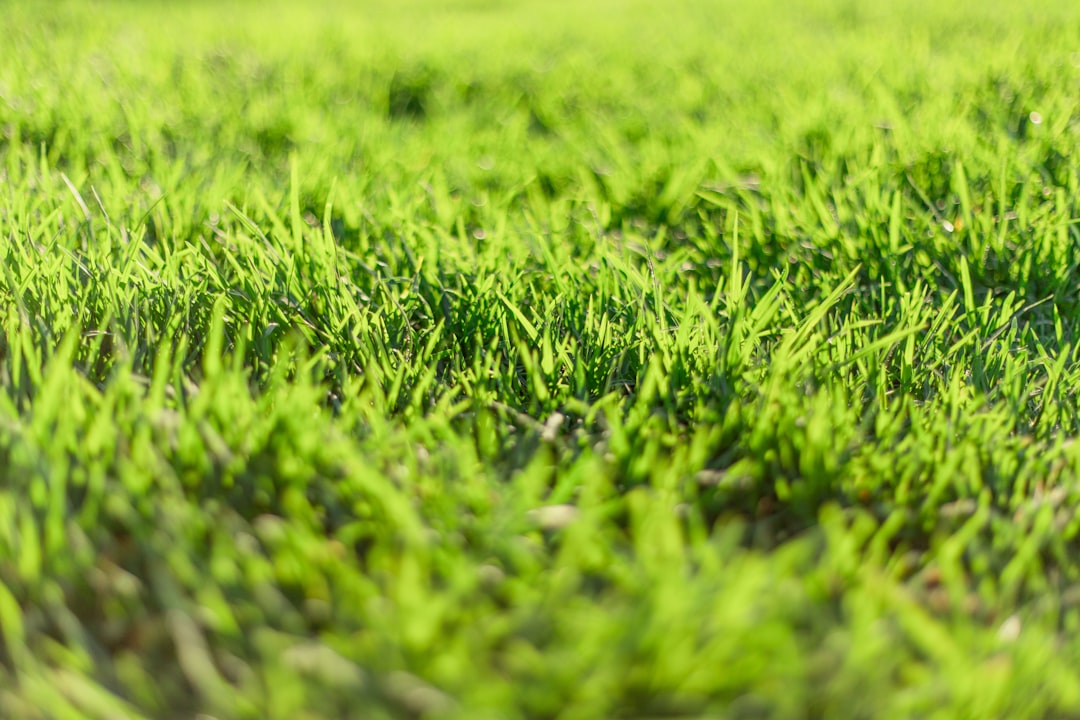
Bermuda grass thrives in heat and tolerates drought, which is why it is the default choice for Texas lawns, athletic fields, golf courses, and roadside plantings. Most yards in Waco are Bermuda. Most parks are Bermuda. Most highway shoulders are Bermuda. Patients allergic to it cannot escape exposure in any populated area, which is part of why immunotherapy makes so much sense for these patients.
The botanical reality
Cynodon dactylon (common Bermuda) is a warm-season perennial grass that spreads aggressively through both seeds and underground rhizomes. Once established, it persists indefinitely without overseeding. The same characteristics that make it ideal for low-maintenance lawns make it impossible to eliminate from a property without aggressive landscape conversion.
Historical spread in Texas
Bermuda is not native to Texas. It originated in Africa and was introduced to North America during the colonial period. Texas adopted it widely during the 20th century as municipal landscaping standards favored heat-tolerant turfgrass. Today it dominates so completely that most Texans have never encountered a residential lawn made of anything else.
Other lawn grass alternatives
St. Augustine and zoysia are lower-pollen alternatives that work in Central Texas. Zoysia in particular produces minimal airborne pollen because of how it flowers. The transition from Bermuda is expensive and time-consuming (full removal and replacement), so most patients stay with Bermuda and treat the allergy.
Symptoms and timing
Classic grass pollen symptoms include sneezing, runny nose, itchy watery eyes, post-nasal drip, and asthma flares in patients with airway sensitivity. Symptoms typically peak during late spring and early summer, then continue at a lower level through fall. Patients often notice severe flares immediately after mowing or after extended time outdoors during peak weeks.
The mowing flare
Mowing aerosolizes massive amounts of grass pollen and grass fragment particles. Patients with Bermuda allergy often have their worst single-day symptoms after mowing, with reactions that can last 24 to 48 hours. Wearing a dust mask during mowing reduces exposure substantially. Having someone else mow eliminates the issue entirely for highly sensitive patients.
Daily count tracking
Our daily pollen count tracks grass pollens specifically. Counts during peak Bermuda weeks routinely run high, and many patients use the daily count to plan outdoor activity around the worst days.
Occupational exposure considerations
Workers whose jobs put them in regular contact with Bermuda face exposure that environmental measures cannot fully address. Treatment recommendations adjust accordingly.
Landscapers and grounds crews
Professional landscaping is one of the highest-exposure occupations for Bermuda allergy. Workers mow, edge, and seed Bermuda for hours per day during peak season. The combined pollen load is many times higher than a homeowner mowing once a week. We see a steady stream of landscape workers presenting with severe seasonal symptoms, often with overlapping mold sensitivity from grass clipping decomposition.
Athletes and coaches
High school and college athletic fields are typically Bermuda. Athletes practicing for hours daily during peak grass season have substantial exposure, and coaches and trainers share that exposure. We help athletic departments build pre-season medication plans for known allergic athletes, including pre-exercise albuterol for those with airway involvement.
Construction workers in new developments
New residential and commercial development frequently involves Bermuda seeding or sodding. Workers on these sites get exposed during establishment, plus dust from disturbed soil. Layered N95 masks plus eye protection help during the most exposure-heavy phases.
Practical avoidance during peak season
A few measures reduce exposure without requiring lifestyle changes. Mow with a mask (a regular dust mask is enough for most patients). Have someone else mow if you are highly sensitive. Shower after extended outdoor time to remove pollen from skin and hair. Keep windows closed and use AC during peak season. Track the pollen count and plan outdoor activities for low-count days.
Indoor air management
A HEPA air purifier in the bedroom running 24/7 substantially reduces overnight pollen exposure. AC with a clean filter (changed monthly during peak season) keeps indoor pollen low. Avoid drying clothes outdoors during peak season, since pollen sticks to fabric.
Yard work alternatives
Schedule yard work for early morning when pollen counts are lower or after rain when pollen is settled. Avoid yard work during windy days when atmospheric counts spike. Wear long sleeves, gloves, and a mask. Shower immediately after coming inside. These measures together can let allergic patients maintain their yards without severe flares.
Cross-reactivity with other grasses
Grass pollen allergies are surprisingly specific in some cases and broadly cross-reactive in others. Understanding the pattern helps treatment planning.
Bermuda vs other lawn grasses
Bermuda is in a different botanical group from most other lawn and pasture grasses (it is in subfamily Chloridoideae, while most allergenic grasses are Pooideae). Cross-reactivity with timothy, rye, fescue, and orchard grass is generally limited. Patients with multiple grass allergies usually have separate sensitizations to each species.
Bermuda and Johnson grass
Both are warm-season grasses but in different botanical groups. Cross-reactivity is variable. Some patients are sensitized to one but not the other; others to both. Skin testing identifies the specific pattern for each patient. Read more about Johnson grass.
Pollen food syndrome with grasses
Grass pollen-allergic patients sometimes react to melon, orange, tomato, or peanut through cross-reactive proteins. Mouth itching after these foods during grass season is the typical pattern. Cooking the food usually eliminates the reaction. Read more at pollen food syndrome.
Medication options
Daily non-sedating antihistamines (cetirizine, fexofenadine, loratadine) work well for mild to moderate symptoms. Daily nasal steroid sprays add significant control. Antihistamine eye drops help ocular symptoms. For asthma flares, controller medications and pre-treatment with albuterol before yard work prevent most issues.
When OTC is enough
Patients with mild seasonal symptoms (sneezing, mild congestion, occasional eye irritation) often do well on daily cetirizine plus saline rinses during peak weeks. If symptoms break through, adding nasal steroid spray usually closes the gap. Patients in this category may not need specialty care.
When prescription medication is appropriate
Patients with moderate to severe symptoms, daily medication needs across the entire grass season (April through October), or breakthrough symptoms despite OTC therapy benefit from specialty evaluation. Prescription nasal steroids, combination antihistamine-steroid sprays (Dymista), and prescription eye drops handle most cases that escape OTC management.

Why immunotherapy makes sense for Bermuda allergy
Allergen avoidance is essentially impossible for Bermuda grass in Texas. It is in every lawn, every park, and every public space. Immunotherapy is the only treatment that addresses the root cause and produces lasting benefit. Allergy shots succeed in 85 to 90 percent of our patients. Sublingual drops succeed in 75 to 85 percent. A 3 to 5 year course of treatment usually produces benefit that lasts for many years afterward.
The math on immunotherapy
For patients facing 6-month-long grass seasons every year, the math on immunotherapy works out favorably. Three to five years of treatment versus indefinite daily medication, plus the symptom severity reduction, plus reduced asthma flares (for asthmatic patients), plus the improved quality of life during peak months. Most patients who commit to a course finish it and report it was worth doing.
FDA-approved tablets
Grass-specific sublingual tablets (Grastek, Oralair) are FDA approved and offer single-allergen treatment for grass-only allergic patients. They include a mix of grass species but Bermuda specifically is sometimes covered through standard tablets and sometimes requires custom-mixed drops. We discuss whether tablet or custom drops fit your specific testing pattern.
Drops vs shots
Sublingual drops are taken daily at home. Shots are given in office weekly during build-up, then every 2 to 4 weeks during maintenance. Drops have slightly lower success rates (75 to 85 percent vs 85 to 90 percent for shots) but the convenience advantage is real. We discuss which fits better during the first visit.
Evolving research and treatments
Grass allergy research has advanced substantially over the past decade.
Component-resolved diagnosis
Specific protein components within Bermuda pollen (Cyn d 1, Cyn d 12, others) can be tested individually for patients with complex allergic profiles. The detail occasionally affects immunotherapy formulation choice. Most patients do not need component testing, but it is available when standard testing leaves the picture unclear.
Climate effects on grass season
Texas grass seasons appear to be lengthening, with earlier spring starts and later fall ends compared to decades ago. The implications include longer medication courses for symptomatic patients and earlier pre-season medication starts for those who time their treatment to specific weeks.
Cultural and lifestyle context
Bermuda is so embedded in Texas life that it shapes social patterns and daily habits.
Outdoor entertaining
Backyard barbecues, pool parties, and family gatherings happen on Bermuda lawns from April through October. Allergic patients face a choice between aggressive medication and missing the seasonal social calendar. Effective treatment lets patients participate without symptoms, which is one of the meaningful quality-of-life benefits we measure.
Youth sports culture
Texas youth sports run year-round, with peak intensity during grass seasons. Parents of allergic kids in soccer, football, and baseball often need school-coordinated medication plans to keep symptoms controlled across long practice and game schedules.
Lawn care economics
For severely allergic homeowners, hiring lawn care services is a practical exposure reduction strategy. The cost is often modest compared to the symptom severity it prevents. Some patients eventually convert to xeriscaping or low-grass landscapes, which removes the issue at its source.
Bermuda allergy and asthma
Allergic asthma triggered by Bermuda pollen follows the same pattern as cedar or oak-triggered asthma: airway inflammation, bronchoconstriction, increased mucus production. Daily controller medications prevent most flares. Pre-treatment with albuterol before yard work or outdoor exercise prevents exercise-induced flares. Read more on the connection at our coverage of exercise-induced wheezing.
When to schedule
If grass season produces 6 months of difficult symptoms, if OTC medications are not controlling things, if asthma flares track with grass exposure, or if you simply want to be off daily medications, schedule an evaluation. New patient visits are typically within 1 to 3 weeks. We accept most major insurance plans. Start at our new patients page.