


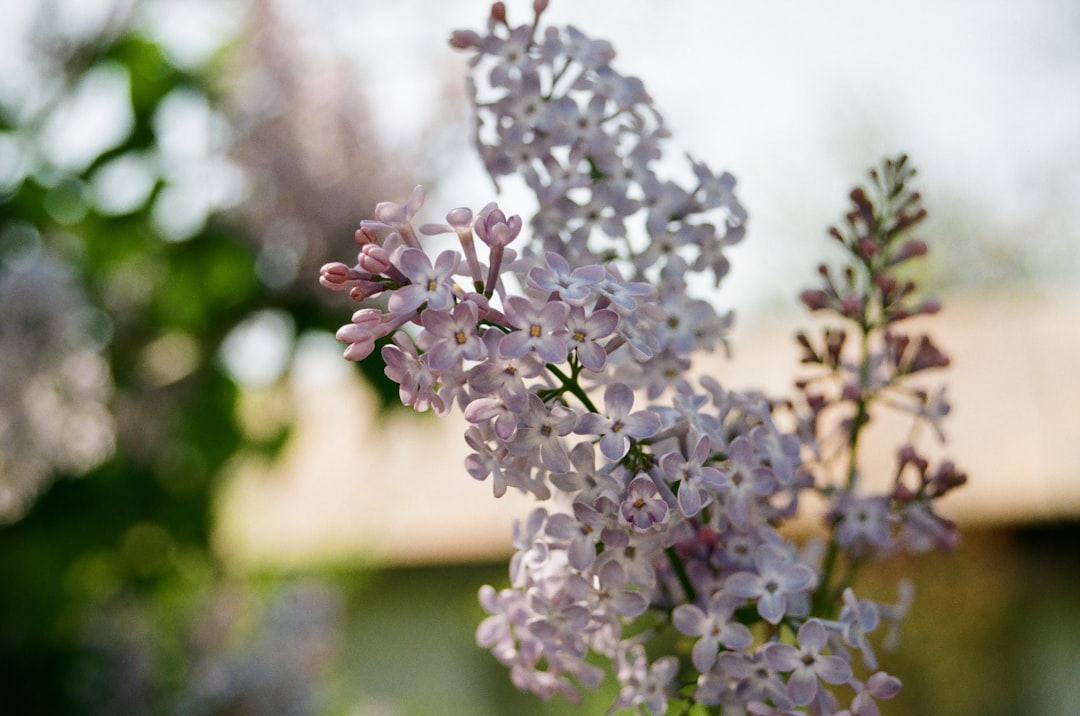
Texas Mountain Laurel (Dermatophyllum secundiflorum, formerly Sophora secundiflora) is one of those plants every Texan knows, even if they do not know the name. The evergreen leaves, the grape-soda fragrance during spring bloom, the bright purple flower clusters, and the toxic red seeds are all distinctive. As an allergen, Mountain Laurel is not in the top tier of Central Texas problems, but for patients with significant exposure during the March bloom it does produce symptoms worth recognizing. The plant is particularly common in landscaped yards across Central Texas, which means exposure is concentrated where people live rather than spread across rangeland.
Key takeaways
- Mountain Laurel blooms in March across Central Texas
- Not a major allergen but does cause symptoms in some patients
- Often grown as ornamental landscaping in Texas yards and parks
- The bright red seeds are toxic, unrelated to allergy
- Often confused with other March bloomers, requiring specific testing for diagnosis
The plant itself
Mountain Laurel is native to the Texas Hill Country, evergreen, drought-tolerant, and slow-growing. It is widely planted as ornamental landscaping in Central Texas yards because of its beautiful spring bloom. The flower clusters are deep purple and produce a strong sweet fragrance often described as grape soda or grape Kool-Aid. The plant can grow as a tall shrub or small tree.
Identifying Mountain Laurel
Compound evergreen leaves with 7 to 9 leaflets per leaf. Smooth gray bark on older specimens. Hanging clusters of purple flowers in March. Distinctive grape-soda smell. Hard pods containing bright red seeds that develop after flowering. Once you have seen one, the plant is unmistakable.
Where it grows
Native range covers the Hill Country and Edwards Plateau west of Austin and San Antonio. Cultivated range extends across Central Texas as ornamental landscaping. Common in residential yards, commercial landscapes, parks, and along highways. Patients with significant exposure usually have plants directly on their property or close by.
Historical use as Texas landscaping
Mountain Laurel became popular Texas landscaping during the late 20th century as drought-tolerant native plant gardening grew in importance. Texas A&M University horticulture programs and native plant societies have promoted it for decades. The result: most newer Central Texas residential developments include Mountain Laurel as ornamental specimens, multiplying potential exposure for allergic patients.

When pollen exposure happens
The bloom period is short, typically March, and runs about 2 to 4 weeks depending on weather. Pollen production is moderate by Central Texas standards, much less than oak or cedar. Patients with sensitization usually only notice symptoms during the active bloom, particularly if they have plants nearby or spend time in areas with substantial Mountain Laurel landscaping.
Year-to-year bloom variation
Mountain Laurel bloom timing depends on winter chill and spring temperatures. Cold winters followed by warm springs produce the most concentrated blooms. Mild winters can spread the bloom across a longer period with less daily intensity. Patients learn to anticipate their personal symptom windows after a season or two of awareness.
The fragrance and pollen connection
The strong grape-soda fragrance is one of the most distinctive Texas spring scents. Patients sensitive to Mountain Laurel pollen often notice symptoms beginning when they first smell the bloom in their neighborhood. The fragrance and the pollen release are concurrent, so the smell serves as a useful environmental cue.
Symptoms
Standard pollen allergy symptoms when sensitized: nasal congestion, sneezing, itchy eyes, post-nasal drip. Because the season is short and overlaps with oak (a much heavier pollinator), Mountain Laurel symptoms often go unrecognized in patients who have multiple sensitivities. Skin testing identifies it specifically when relevant.
Why it gets misattributed
Oak pollen peaks in March and dominates the conversation about spring allergies in Central Texas. Mountain Laurel blooms during the same window. Patients with combined sensitivities often blame their March symptoms entirely on oak. Without specific testing, the Mountain Laurel contribution stays invisible.
When to suspect Mountain Laurel
Patients whose symptoms peak even before oak is in full release (early to mid March), patients whose worst symptoms occur in their own yards or near landscaped areas with Mountain Laurel, and patients whose oak-targeted treatment seems incompletely effective during March all warrant Mountain Laurel testing.
Occupational exposure considerations
Several Central Texas occupations involve regular Mountain Laurel contact during bloom season.
Landscape and nursery workers
Workers at native plant nurseries handle Mountain Laurel during bloom for sale to retail customers. Daily contact during bloom delivers high-concentration pollen exposure. N95 masks during the active bloom weeks help.
Park maintenance and groundskeepers
Texas Parks and Wildlife sites, municipal parks, and private estates with Mountain Laurel landscaping have maintenance crews working among blooming trees during March. Pre-season medication for known allergic workers is reasonable.
Real estate and showings
Real estate agents and home inspectors visit dozens of properties weekly. During March bloom, properties featuring Mountain Laurel landscaping deliver brief but concentrated exposure to professionals who would otherwise be unexposed. Patients in this work occasionally note March-only symptoms despite being non-symptomatic the rest of the year.
How Mountain Laurel allergy is diagnosed
Mountain Laurel is not on every standard environmental panel, but we can add it for patients with relevant exposure history. Specific IgE testing is also available. The decision to test depends on whether your bad weeks line up with March bloom and whether you have direct exposure to plants on your property or nearby.
When to add Mountain Laurel testing
For patients with March symptoms that do not fully respond to oak-targeted treatment, for patients with Mountain Laurel plants on their property, or for patients with strong family histories of allergic disease who want a thorough panel. We discuss adding it during the initial visit based on the symptom history. Read more about our allergy testing process.
Differentiating from oak
Skin testing differentiates Mountain Laurel from oak directly. A patient may test positive for one, the other, or both. Treatment plans adjust based on the specific sensitization pattern. For patients with both, immunotherapy can include both species in the same formulation.
Cross-reactivity in detail
Mountain Laurel is in the legume family, which has implications for cross-reactivity with other plants.
Legume family connections
Mountain Laurel shares family characteristics with mesquite (also a legume), peanut, and other legume foods. Cross-reactivity at the protein level is generally limited, but patients with strong Mountain Laurel sensitivity occasionally have reactions to other legumes worth investigating with specific testing.
Cross-reactivity with other tree pollens
Mountain Laurel is not closely related to oak, cedar, or most other Central Texas trees. Cross-reactivity is generally absent. Patients allergic to Mountain Laurel plus other trees usually have separate sensitizations.
Treatment
For patients with confirmed Mountain Laurel sensitization driving meaningful symptoms, treatment principles are the same as for other pollen allergies. Daily nasal steroid spray during the season works for most patients. Antihistamines as needed. Avoidance is challenging because of widespread landscape use, though removing plants from your own yard can help if exposure is concentrated there. Immunotherapy is an option for patients with multiple Central Texas sensitizations including Mountain Laurel.
Yard-level avoidance
If Mountain Laurel grows on your property and you have confirmed sensitivity, removing the plant or moving it away from windows can reduce direct exposure. Replacement landscaping with low-pollen alternatives (cenizo, Texas sage, succulents) maintains drought-tolerant landscape design without the allergic load.
Medication timing
Start daily nasal steroid spray by late February before March bloom begins. Continue through April when oak season is also winding down. The combined March and early April coverage handles both Mountain Laurel and oak in patients with both sensitivities.
Evolving research and treatments
Native plant allergies have received less research attention than common allergens but the picture is improving.
Local pollen tracking
Our daily pollen count tracks Mountain Laurel during bloom season alongside other major Central Texas allergens. The data accumulated over decades helps individual patients correlate symptoms to specific exposures.
Component testing availability
Component-resolved diagnosis for Mountain Laurel is not yet widely available, though the protein structures are well characterized. As component testing platforms expand, more refined diagnosis may become available for complex cases.
Cultural and lifestyle context
Mountain Laurel is woven into Texas culture and landscaping in ways that affect exposure patterns.
Native plant gardening movement
Texas has a strong native plant gardening tradition, with Mountain Laurel as a flagship species. Texas A&M extension programs, native plant nurseries, and gardening organizations actively promote Mountain Laurel for residential landscaping. Patients allergic to it sometimes face social pressure to keep plants they would otherwise remove.
Hill Country tourism
Spring Hill Country tourism (wildflower season, bluebonnet driving) overlaps with Mountain Laurel bloom. Allergic visitors from outside Texas occasionally develop symptoms during trips and attribute them to general "Texas spring allergies" without identifying the specific cause.
Garden landscape conversion
Patients converting yards from mainstream landscaping to drought-tolerant native gardens sometimes inadvertently increase Mountain Laurel exposure. Working with allergy-aware landscape designers helps patients pick low-allergen native alternatives.
A note on the seeds
The bright red seeds contain toxic alkaloids and can cause severe illness if chewed and swallowed. Hard intact seeds usually pass through without absorption, but children who chew them are at risk. This is a poisoning concern, not an allergic concern, but worth mentioning given the prevalence of these plants in Texas yards.
Pet considerations
Dogs occasionally chew the seeds, with the same toxicity risk. Veterinary attention is appropriate if a pet has ingested seeds. The pods themselves are hard and not palatable to most pets, but curious dogs and cats can occasionally cause problems.
Other Central Texas allergens to consider
Mountain Laurel is one of several spring allergens. Oak is the dominant March-May allergen. Elm covers late winter into early spring. Cedar winds down in February as Mountain Laurel begins. Comprehensive testing identifies the specific drivers of your symptoms across the spring window.
When immunotherapy is the right call
For patients with confirmed Mountain Laurel sensitivity who also have multiple other Central Texas allergens driving year-round or seasonal symptoms, immunotherapy can include Mountain Laurel in the formulation alongside oak, cedar, grasses, and any other relevant species. Treatment is most cost-effective when it addresses several allergens at once rather than one at a time.
Custom drop or shot formulation
Both sublingual drops and allergy shots can include Mountain Laurel as part of a multi-allergen formulation. Drops are at-home daily dosing. Shots are office visits with weekly buildup followed by every 2 to 4 week maintenance. Success rates run 75 to 85 percent for drops and 85 to 90 percent for shots in our practice. Take the immunotherapy candidacy quiz to see if you are a fit.
When to schedule
If your spring allergy symptoms include Mountain Laurel exposure or peak even before oak releases, schedule an evaluation with specific testing. New patient visits are typically within 1 to 3 weeks. Most major insurance plans accepted. Start at our new patients page.