


Mexia and Marlin are two communities east and southeast of Waco that share a common challenge: limited local access to specialist medical care, including board-certified allergists. Both towns sit in areas with dense vegetation, river and creek systems, and environmental conditions that produce heavy allergen exposure year-round. If you live in Mexia or Marlin and have been managing allergy symptoms through your primary care doctor or an urgent care clinic, you may be surprised by how much targeted allergy treatment can change your daily quality of life. Our Waco office is 25 to 35 minutes away, and we see patients from both communities regularly.
Key takeaways
- Mexia is about 35 minutes from our office via Highway 84 West. Marlin is about 25 minutes via Highway 6 North.
- Both communities are in areas with heavy tree cover and proximity to waterways, producing elevated mold and tree pollen exposure.
- Telehealth follow-ups and sublingual allergy drops (taken at home) reduce the travel burden for established patients.
Mexia: 35 minutes east on Highway 84
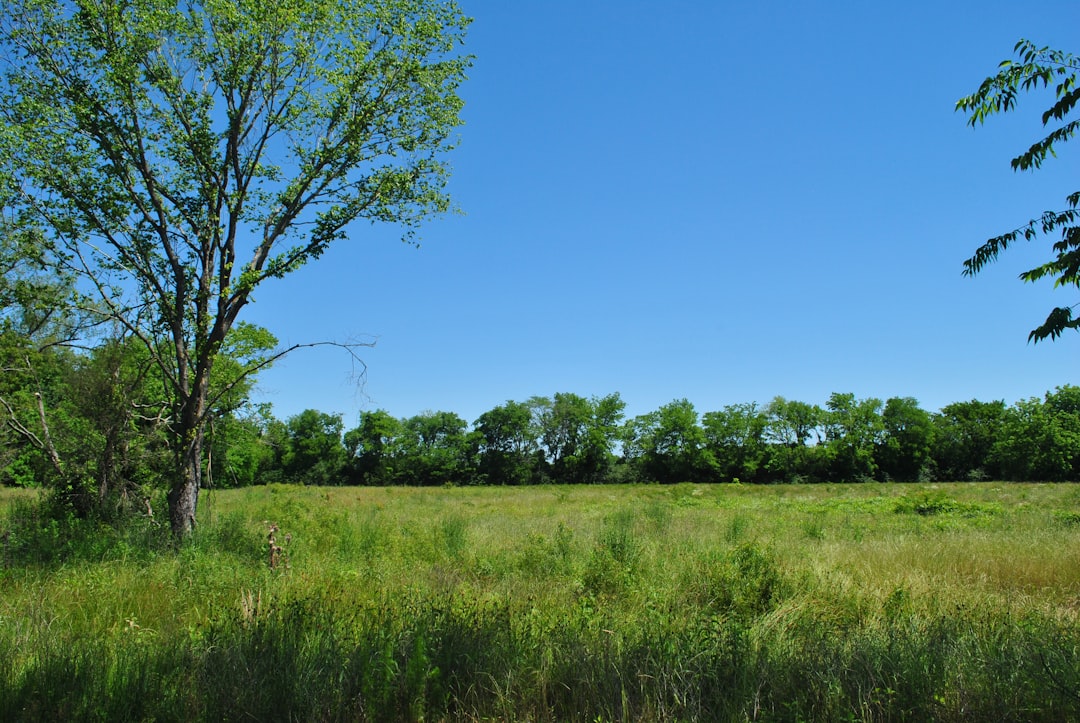
Mexia sits in Limestone County, about 35 minutes east of Waco on Highway 84. The town is surrounded by post oak savanna and cross timbers vegetation, a mix of dense oak woodland and open grassland that produces a diverse and persistent allergen load.
Post oak pollen is particularly heavy in the Mexia area during March and April. Unlike live oaks, which produce most of their pollen in a concentrated burst, post oaks can shed pollen over a longer period, extending the misery for sensitized residents. Elm and hackberry add to the spring tree pollen count. The dense woodland around Mexia also supports heavy mold growth, especially in the creek bottoms and low-lying areas east and south of town. After rain, mold spore counts in these areas spike significantly.
Navasota River tributaries and numerous small creeks running through the Mexia area create riparian corridors where vegetation is thick and moisture is persistent. Residents living near these waterways face elevated outdoor mold exposure from spring through fall. This is one reason we see Mexia patients with year-round congestion and sinus symptoms who assume they just have chronic sinusitis when, in fact, they have a treatable mold allergy.
The vegetation pattern around Mexia also affects indoor air quality. Post oak woodland sheds large quantities of organic material (leaves, twigs, pollen catkins) that accumulate in gutters, around foundations, and in yards. This organic debris becomes a substrate for mold growth, and spores enter homes through doors, windows, and HVAC intake. Residents who notice their indoor symptoms worsen after they clean gutters or rake leaves are likely reacting to the mold disturbed by those activities.
Mexia has limited specialist medical services, and most residents who need allergy care travel to Waco or Corsicana. Our office is the closest board-certified allergy practice for most Mexia residents. The Highway 84 drive is mostly two-lane highway through Axtell and into Waco, and traffic is typically light.
Marlin: 25 minutes southeast on Highway 6
Marlin is the county seat of Falls County, about 25 minutes southeast of Waco on Highway 6. The town sits near the Brazos River and Falls of the Brazos, in an area characterized by bottomland hardwood forests, agricultural fields, and the riverine environment that defines Falls County.
The Brazos River bottomland near Marlin is a significant source of allergens. Cottonwood, willow, sycamore, and various hardwoods line the river, and their pollen seasons overlap with the broader Central Texas tree pollen calendar. The bottomland's persistent moisture supports year-round mold production. Alternaria and Cladosporium, two mold species that are common triggers for allergic rhinitis and asthma, thrive in this environment.
Marlin's agricultural setting adds grass pollen, weed pollen, and crop-related dust to the mix. Hay production, cattle grazing, and cotton farming all contribute seasonal allergen bursts. Residents who work in agriculture face occupational exposure on top of the ambient pollen and mold levels. Cotton harvest in particular generates fine particulate matter that can trigger allergy and asthma symptoms even in people whose primary sensitivities are to other allergens.
Marlin's older housing stock is another factor. Many homes in Marlin were built decades ago, before modern moisture barriers and ventilation standards. These older structures are more prone to indoor mold growth, especially in bathrooms, kitchens, and around window frames. A Marlin resident living in an older home near the river may have significant mold exposure both indoors and outdoors, creating a burden that exceeds what you would see in a newer home on higher ground.
Like Mexia, Marlin has limited local specialist access. Our Waco office is the nearest board-certified allergy practice for most Falls County residents. The Highway 6 drive is straightforward, running northwest from Marlin directly into the Waco area.
What we treat
Seasonal allergies
The seasonal pattern for Mexia and Marlin residents follows the Central Texas calendar with some local variations. Cedar pollen (December through February) blows in from the Hill Country on westerly winds. Tree pollen from local post oaks, live oaks, elms, pecans, and cottonwoods peaks in March and April. Grass pollen dominates May through October. Ragweed peaks in September and October. Our daily pollen count at allergywaco.com reflects regional levels, and we publish PollenCast forecasts to help you plan ahead.
Year-round allergies
Mold is a primary year-round allergen for patients from Mexia and Marlin, given the waterway proximity and vegetation density in both areas. Dust mites are present in homes throughout both communities. Pet dander is another common trigger, especially in households where dogs and cats live both indoors and outdoors, tracking in pollen and mold on their fur. For many Mexia and Marlin patients, the combination of mold, dust mites, and pet dander creates year-round symptoms that are misattributed to "always having a cold" or "weak sinuses."
Asthma
Allergic asthma is a significant concern for patients from these communities. Heavy mold and pollen exposure can trigger asthma episodes that are sometimes misattributed to respiratory infections or general poor air quality. If you find yourself using a rescue inhaler more than twice a week, or if you have been told you have "bronchitis" multiple times a year, an underlying allergy may be the real cause. We can determine that through testing and treat it accordingly. Many patients who thought they had a permanent respiratory condition find that treating their allergies resolves or dramatically improves their breathing problems.
Getting here from Mexia and Marlin
From Mexia, take Highway 84 West toward Waco. The drive is about 35 minutes and passes through Axtell. Traffic is usually light, and the road is well-maintained. From Marlin, take Highway 6 North toward Waco. The drive is about 25 minutes. Both routes are straightforward with no complicated navigation.
We understand that 25 to 35 minutes each way adds up, especially during the weekly build-up phase of allergy shots. Here is how we help: sublingual allergy drops are taken at home, eliminating the need for weekly office visits. Telehealth follow-ups allow us to monitor your progress and adjust your plan by video. And once you move to the maintenance phase of shots (monthly), the travel commitment drops significantly.
Many Mexia and Marlin patients combine allergy appointments with other Waco errands. If you are already driving in for shopping, other medical appointments, or family visits, adding a shot appointment is a minor addition to the trip.
What to expect at your first visit
Your initial appointment takes about 60 to 90 minutes. We start with a thorough history, including your home environment, proximity to waterways or agricultural operations, outdoor activity patterns, and symptom timeline. For patients from Mexia and Marlin, we pay particular attention to mold-related symptoms because both communities have elevated mold exposure.
Skin prick testing covers the full range of Central Texas allergens, including multiple mold species (Alternaria, Cladosporium, Aspergillus, Penicillium) that are especially relevant for patients from river bottom areas. Results come back in about 15 to 20 minutes.
Your doctor reviews results, identifies the specific allergens causing your symptoms, and recommends a treatment plan. For patients with mold allergies, we also discuss environmental modification strategies: things you can do at home and work to reduce mold exposure while immunotherapy builds your tolerance. These practical steps, combined with treatment, produce faster and more complete symptom improvement than either approach alone.
Insurance and scheduling
We accept Blue Cross Blue Shield, Aetna, Cigna, United Healthcare, TRICARE, Medicare, and most other major plans. Falls County and Limestone County residents may carry individual marketplace plans, employer plans, or agricultural worker coverage, and we accept the majority of these. Call to verify before your first visit.
Scheduling is available by phone or at allergywaco.com. We work with patients from Mexia and Marlin to find appointment times that align with their travel schedules. If you prefer to schedule appointments on a specific day to combine with other Waco trips, let us know and we will accommodate when possible.
Why Mexia and Marlin patients choose our practice
Access to board-certified allergy care is limited in eastern McLennan, Falls, and Limestone counties. Our practice, with 45+ years of Central Texas experience and staff tenure averaging 12 to 20+ years, fills that gap. We understand the specific allergen challenges of river bottom and post oak country. We offer root-cause treatment through immunotherapy (both shots and drops), daily pollen tracking on allergywaco.com, and telehealth options that make ongoing care practical from a distance. If allergies have been a chronic problem and local options have not solved it, we are here. The drive is 25 to 35 minutes, and the improvement in your quality of life can be permanent.