



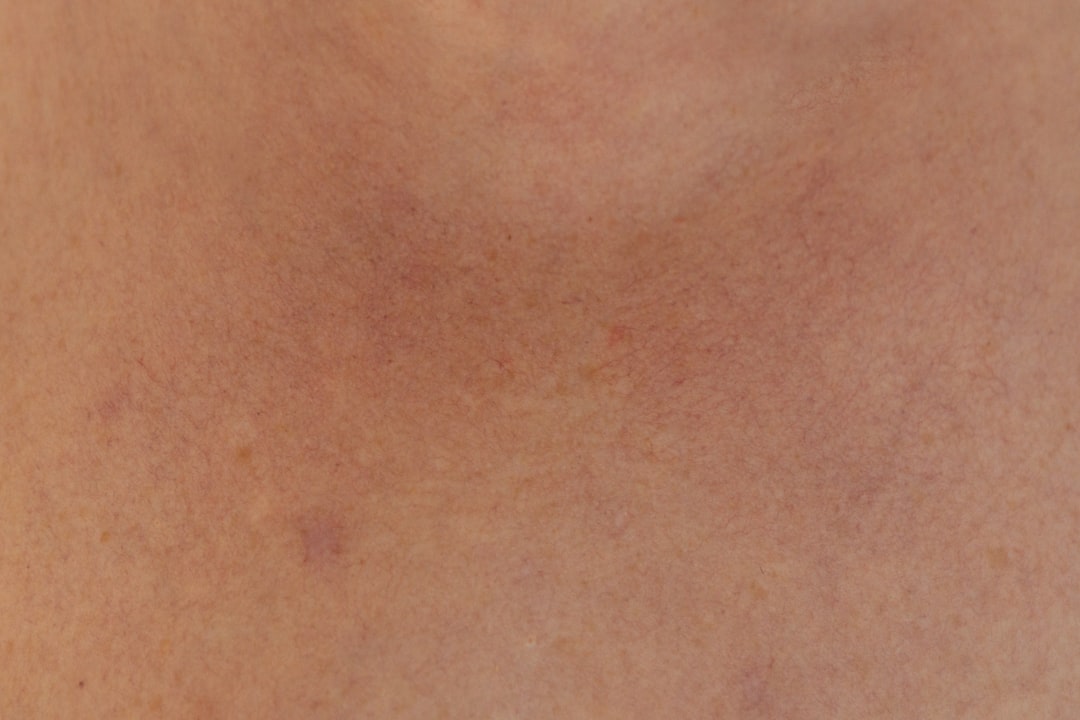
If you have been getting hives daily or near-daily for more than six weeks and the dermatologist's antihistamine recommendation is not enough, you have chronic urticaria. It is more common than people realize, affecting roughly 1 in 100 adults at some point in their lives, and it is one of the most frustrating conditions we treat because patients arrive convinced they must be allergic to something they are eating or wearing or breathing. Most of the time, they are not. Sorting out what chronic urticaria actually is, and what works to control it, changes the treatment path entirely.
Key takeaways
- Chronic urticaria means hives lasting more than 6 weeks
- Most cases are autoimmune or idiopathic, not allergic to specific foods or environmental triggers
- High-dose non-sedating antihistamines control most cases
- Xolair (omalizumab) is highly effective for the cases that do not respond to antihistamines
- Average duration is 1 to 5 years; most cases eventually resolve on their own
Why chronic hives are usually not a food or environment allergy
Acute hives, the kind that last hours to days, often do have an identifiable trigger: a food, a medication, a viral infection. Chronic hives behave differently. Most chronic urticaria patients have positive autoantibodies that activate mast cells from inside the body without any external trigger. This is sometimes called chronic spontaneous urticaria or chronic autoimmune urticaria. The hives are real and the histamine release is real, but no amount of dietary changes will fix it.
The autoantibody mechanism
In about 30 to 50 percent of chronic urticaria patients, blood testing identifies autoantibodies that bind to and activate mast cells. The mast cells release histamine, leukotrienes, and other inflammatory mediators that produce the hives. Because the trigger is internal, eliminating foods or environmental factors does not stop the cascade. Recognizing this mechanism early saves patients months of unnecessary elimination diets.
Why elimination diets often disappoint
Patients commonly arrive having eliminated dairy, gluten, soy, eggs, and nightshades with no improvement. The intuition is reasonable but the science does not support it for true chronic urticaria. Eliminating real food allergens is appropriate when actual food allergy is identified by testing. For chronic urticaria, dietary changes are usually a low-yield approach.
Stress and sleep amplify but do not cause
Stress and poor sleep often amplify chronic urticaria but rarely cause it. Patients who manage stress and sleep tend to have better symptom control during a chronic urticaria course. The amplification works through cortisol and immune signaling, which is real biology, but addressing it alone does not produce remission.

When testing actually helps
If specific exposures correlate with flares (a particular food eaten before the hives, certain physical triggers like cold, heat, pressure, or exercise), targeted testing or controlled exposure tests can confirm or rule out those triggers. Broad allergy panels are usually not helpful for true chronic urticaria. We make this call based on history during the first visit. Read more about our diagnostic process at allergy testing.
Physical urticarias
A subset of chronic urticaria is triggered by physical factors rather than autoimmunity. Cold urticaria responds to cold exposure (covered in our article on cold weather allergies in Texas). Cholinergic urticaria responds to heat or exercise. Pressure urticaria responds to sustained pressure on skin. Solar urticaria responds to sunlight. Each subtype has specific testing and treatment.
Lab workup
Standard labs for chronic urticaria include CBC, comprehensive metabolic panel, thyroid function tests, and ANA. We add specific tests when history suggests autoimmune disease, infection, or rare causes. For most patients with classic chronic spontaneous urticaria, the lab workup is unremarkable, which is itself a useful finding.
Standard treatment ladder
First step is non-sedating antihistamines (cetirizine, fexofenadine, loratadine) at standard dose. If that does not control symptoms, we increase the dose, sometimes up to 4 times the over-the-counter dose. If that still does not work, we add additional medications (H2 blockers like famotidine, leukotriene modifiers like montelukast) before moving to more advanced options. Most patients control well at some point on this ladder.
High-dose antihistamines are safe
Patients sometimes worry about taking 4 cetirizine or 4 fexofenadine per day. The medications have decades of safety data at these doses, and dermatology and allergy guidelines specifically endorse this approach. The upper-dose strategy is standard of care for chronic urticaria. We monitor for side effects but most patients tolerate high-dose antihistamines without issues.
When to add second-line medications
If high-dose H1 antihistamines do not produce adequate control after 2 to 4 weeks, we add H2 blockers and leukotriene modifiers as bridges before escalating to biologics. The combination provides incremental benefit for some patients, though the evidence is stronger for the H1 antihistamines themselves.
Chronic urticaria in kids vs adults
Pediatric chronic urticaria is less common than adult-onset and tends to have different cause patterns and treatment considerations.
Pediatric resolution rates
Children with chronic urticaria have higher spontaneous resolution rates than adults. Many pediatric cases clear within 6 to 12 months without specific intervention beyond antihistamine control. This shorter average duration affects how aggressively we treat and when to consider escalation.
Adult-onset patterns
Adults more often have autoimmune mechanisms underlying chronic urticaria. Average duration is longer (1 to 5 years). We are quicker to escalate to Xolair in adults whose symptoms are disrupting daily life.
Xolair for the difficult cases
For patients whose hives do not control on high-dose antihistamines, Xolair (omalizumab) is approved for chronic urticaria and works extraordinarily well. It is a monthly injection given in our office. About two thirds of patients respond completely, and another portion respond partially. Insurance approval requires documenting that high-dose antihistamines were tried and failed first.
What Xolair feels like
Patients describe response as starting within the first week or two and reaching full effect by the third or fourth monthly dose. Side effects are usually mild: injection site soreness, occasional headache. Serious reactions are very rare. Most patients continue Xolair for 6 to 12 months, then attempt to stop. About a third stay symptom-free off treatment, a third need to restart, and the rest have partial relapses.
Insurance approval workflow
Xolair for chronic urticaria requires prior authorization from most insurers. Documentation of failed high-dose antihistamines (typically 4 weeks at 4x the standard dose) is the threshold. Our office handles the paperwork and most authorizations come through within 1 to 2 weeks. Read more about our biologic infusion services.

What happens if chronic urticaria is undertreated
Chronic urticaria is rarely dangerous, but undertreated cases produce real costs in quality of life, mental health, and downstream healthcare utilization.
Sleep and quality of life
Patients with poorly controlled chronic urticaria often wake at night to itch. The chronic sleep disruption produces fatigue, mood changes, and reduced productivity that compound over months. Studies show quality of life impact comparable to severe heart disease in the worst cases.
Mental health correlations
Chronic urticaria correlates with depression and anxiety, partly because of the visible nature of the condition and partly through the chronic discomfort itself. Treating the urticaria effectively often improves mood substantially even when no specific mental health intervention is added.
Other advanced options
For patients who do not respond to antihistamines or Xolair, additional options include cyclosporine (an immunosuppressant), dupilumab (Dupixent, used off-label), and other immune-modulating therapies. These are reserved for severe refractory cases and require careful monitoring. Our practice includes patients on each of these, and we coordinate with rheumatology or dermatology when systemic immunosuppression is the right call.
Medication ladder summary
A practical summary of the treatment progression most chronic urticaria patients work through.
Step 1: Standard antihistamine
Cetirizine 10 mg or fexofenadine 180 mg or loratadine 10 mg once daily. Most patients with mild chronic urticaria control adequately on this step.
Step 2: High-dose antihistamine
Up to 4x the standard dose of any non-sedating antihistamine. Add an H2 blocker (famotidine 20 mg twice daily) and/or a leukotriene modifier (montelukast 10 mg at bedtime). Most patients with moderate disease control on this step.
Step 3: Xolair
300 mg subcutaneous injection every 4 weeks. About two thirds of patients respond completely. Used after step 2 fails.
Step 4: Immunosuppressants
Cyclosporine 3 to 5 mg/kg/day or dupilumab off-label. Reserved for refractory cases. Requires monitoring labs.
When to call same-day vs go to the ER
Most chronic urticaria does not need urgent care. A few presentations warrant immediate attention.
Same-day allergist call
Sudden severe widespread flare that is not controlled by current medication. New onset of angioedema (swelling of lips, tongue, hands, feet). Suspected adverse reaction to a medication.
ER red flags
Throat tightness, difficulty breathing, swelling of the tongue or face that compromises airway, lightheadedness or fainting, or any sign of anaphylaxis. Severe abdominal pain with hives. Call 911 if any of these are present rather than driving yourself.
How long this lasts
Average duration of chronic urticaria is 1 to 5 years. Some patients have it longer. Most cases resolve completely, often as suddenly as they started. Treatment controls symptoms while the condition runs its course. We do not have a way to make it leave faster, but we do have multiple ways to make it tolerable while you wait. Our 45 plus years of treating Central Texas patients includes thousands of urticaria cases, and the typical course is reassuring once patients understand what to expect.
Living with chronic urticaria
Identify and avoid known triggers (heat, pressure, cold) where practical. Take medication consistently rather than reactively. Track your worst days to identify patterns. Keep a flare journal that includes weather, stress level, sleep quality, and any new exposures. Exercise and good sleep generally help, and chronic stress is often a flare amplifier. Patients who find a stable medication regimen can usually live normal lives during the months or years before remission.
Daily life adjustments while on treatment
Patients in the active phase of chronic urticaria often find that small lifestyle changes ease symptoms day to day. Loose-fitting clothing reduces pressure-induced flares. Cool showers tend to be better tolerated than hot ones. Avoiding alcohol during flare periods helps for many patients, since alcohol amplifies histamine release. Tracking flares against weather, sleep, and stress patterns reveals individual triggers that broad recommendations miss.
When to see us
If hives have lasted more than 6 weeks despite OTC antihistamines, or if you are escalating doses without adequate control, schedule an evaluation. We evaluate, build a treatment plan, and coordinate any needed labs and specialty referrals. Schedule through our new patients page. Most visits are scheduled within 1 to 3 weeks.