


.avif)

Eyes and Skin


Have Questions?
We’ve got answers!
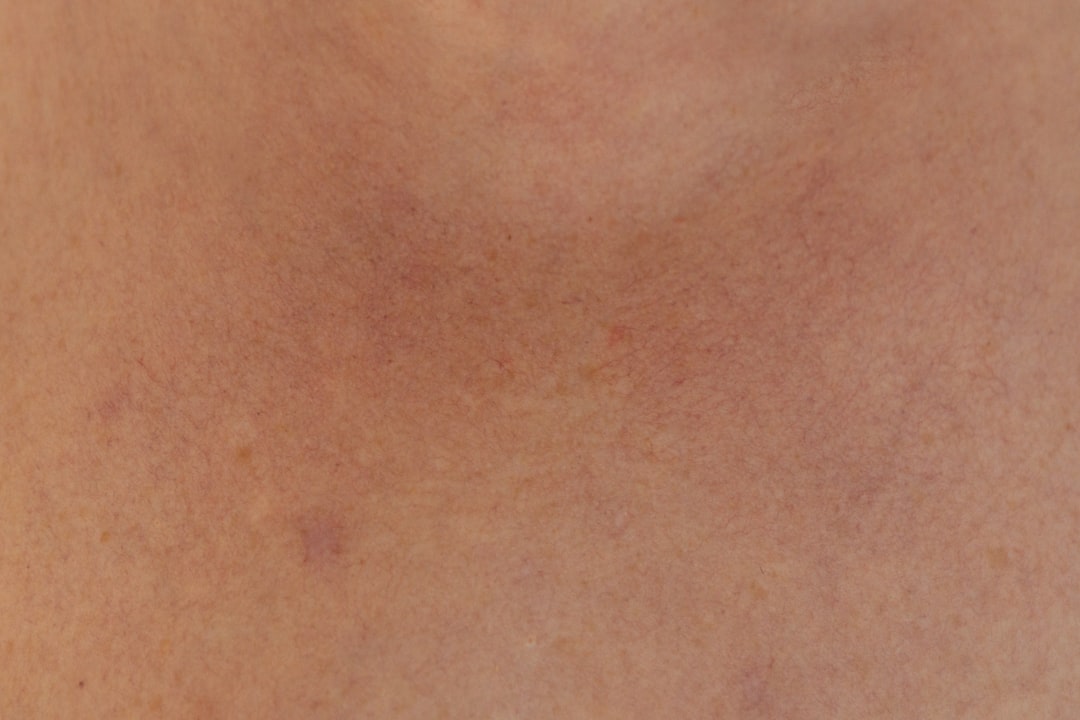
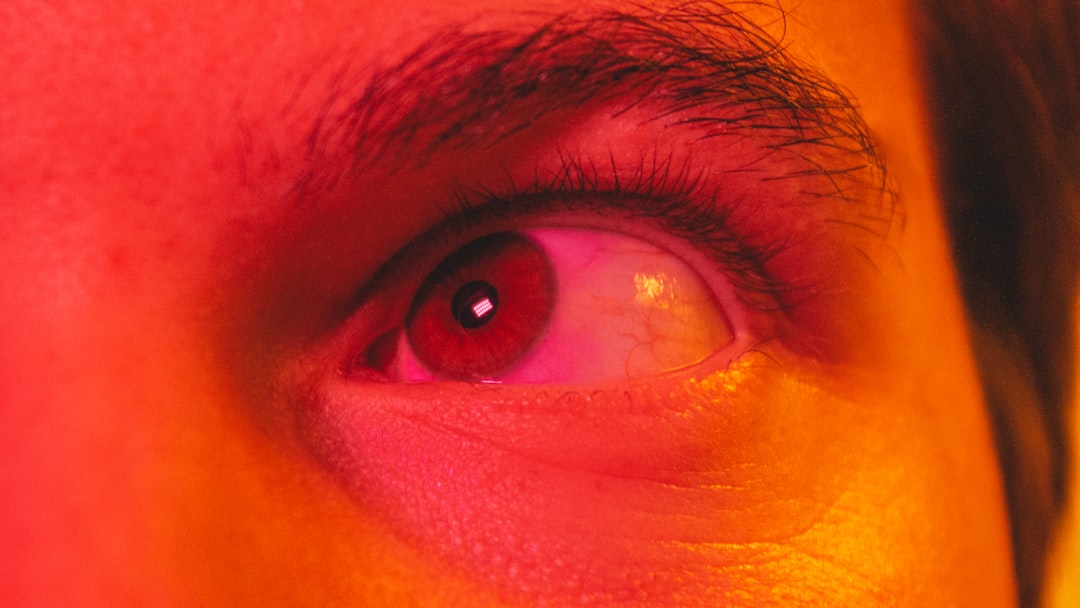
Allergic skin and eye reactions usually involve itching as the dominant symptom. Hives appear as raised red welts that come and go, often within hours. Itchy watery eyes with redness and puffy lids point to allergic conjunctivitis. Allergic shiners are persistent dark circles caused by chronic nasal congestion. For broader context on skin reactions see our eczema resource and our urticaria reference.
Yes. Eczema and allergies are tightly linked through the atopic march, where eczema in infancy often progresses to food allergy, allergic rhinitis, and asthma over the next 5 to 10 years. Eczema flare-ups frequently track allergic triggers, especially in children. Dark circles under the eyes are caused by venous congestion under the lower eyelids when the nose is chronically blocked, which is why kids with persistent allergies often look perpetually tired. Read more on allergic shiners if your child fits this pattern.
Allergic conjunctivitis is diagnosed by history (itching, seasonal flares, watery red eyes) and confirmed by allergy skin testing or specific IgE blood testing. Treatment starts with topical antihistamine and mast cell stabilizer drops like olopatadine or ketotifen. For moderate to severe cases, treating the underlying allergic rhinitis usually resolves the eye symptoms as a side effect. Take the eye allergy severity quiz for a quick assessment, and see our allergic conjunctivitis resource for clinical detail.
Hives lasting longer than 6 weeks are chronic urticaria and warrant specialty evaluation. Most chronic urticaria is autoimmune or idiopathic rather than triggered by a specific food or environment, which is why broad allergy panels are often unhelpful. High-dose non-sedating antihistamines control most cases. For patients who do not respond, Xolair injections approved specifically for chronic urticaria work in about two thirds of patients. Read more in our deep-dive on chronic urticaria or our urticaria reference.
Yes for both. Immunotherapy treats the underlying allergic response that drives ocular symptoms and contributes to many eczema flares. Allergy shots succeed in 85 to 90 percent of our patients, and sublingual drops in 75 to 85 percent. For eczema specifically, identifying allergic triggers through testing can substantially improve flare frequency, especially in pediatric patients. We have served Central Texas families for over 45 years, and skin and eye allergy is one of our most treated conditions. Schedule an evaluation through our new patients page.