



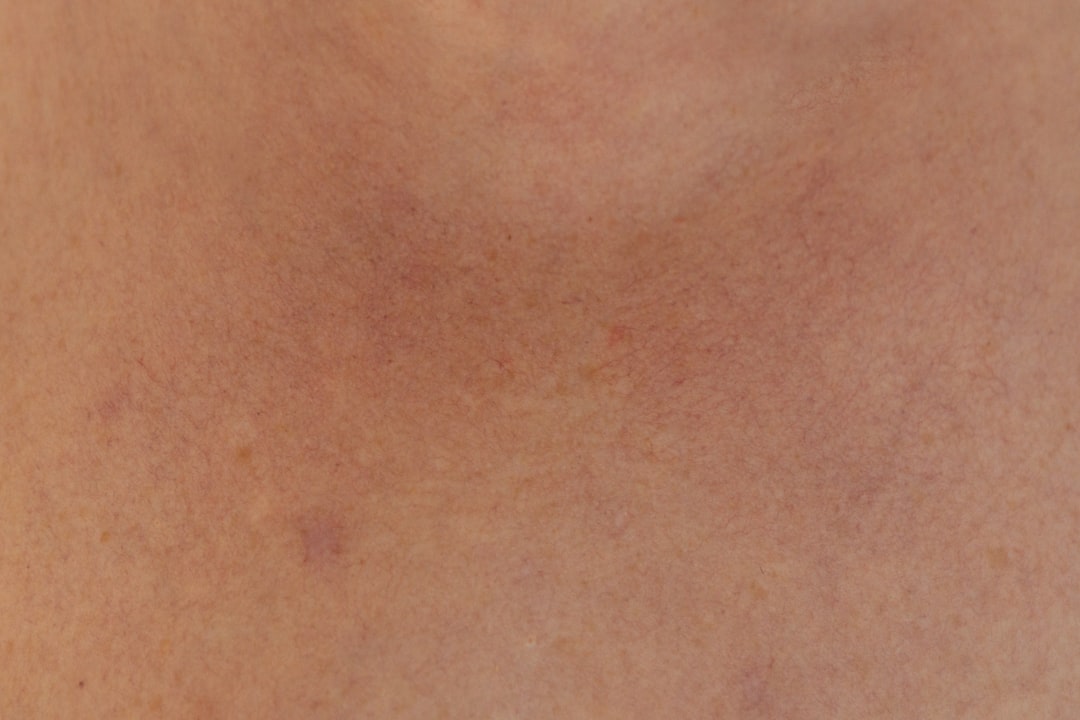
You look down at your arm and there is a raised, red welt the size of a quarter that was not there twenty minutes ago. Or you wake up in the morning with patches of hives across your stomach. Or your child breaks out in a rash after eating something new at a friend's house. Unexplained skin reactions are unsettling because they feel random. One day you are fine, the next your skin is covered in angry welts. But most of the time, there is a reason. And more often than people expect, that reason is an allergic reaction.
Key takeaways
- Hives (urticaria) are raised, itchy welts caused by histamine release in the skin, most commonly from an allergic trigger
- Common causes include foods, medications, insect stings, latex, and environmental allergens like dust mites
- Acute hives with an identifiable trigger are usually manageable, but chronic hives lasting more than six weeks require evaluation to identify the underlying cause
What hives actually are
Hives, medically called urticaria, are the skin's version of an allergic reaction. When mast cells in the skin release histamine and other chemicals, blood vessels in the area become leaky. Plasma seeps into the surrounding tissue, causing the characteristic raised, red, itchy welts. Individual hives can be as small as a pencil eraser or as large as a dinner plate. They can be round, oval, or irregularly shaped. A defining feature of hives is that they are transient: an individual welt typically lasts a few hours before fading, even as new welts appear elsewhere.
This moving pattern (welts appearing, fading, appearing somewhere else) is what distinguishes hives from most other skin conditions. Eczema stays put. Contact dermatitis stays in the area that touched the irritant. Hives wander.
Acute vs. chronic hives
Acute hives last less than six weeks and usually have an identifiable trigger: a food, medication, sting, or contact with an allergen. Chronic hives last longer than six weeks and are more complex. About half of chronic hives cases are autoimmune, where the body's immune system is activating mast cells without an external allergen. The other half may involve low-level chronic infections, thyroid issues, or triggers that are difficult to identify.
What triggers allergic hives
Foods
Food allergy is one of the most common causes of acute hives, especially in children. The major food allergens (peanuts, tree nuts, shellfish, fish, milk, eggs, wheat, soy, sesame) can cause hives within minutes of eating. The reaction can be limited to the skin or can be part of a broader allergic response that includes throat swelling, breathing difficulty, and anaphylaxis. Food-triggered hives tend to be predictable: the same food causes the reaction each time.
Less obvious food triggers include hidden ingredients in processed foods, cross-contamination during preparation, and food additives. Some patients react to fresh fruits that cross-react with pollens they are allergic to (oral allergy syndrome/pollen food syndrome), though this more commonly causes mouth and throat itching than full-body hives.
Medications
Drug allergies are a frequent cause of hives. Antibiotics (penicillins and sulfonamides are the most common), NSAIDs (ibuprofen, naproxen, aspirin), and certain blood pressure medications can trigger allergic hives. The reaction may occur on the first dose of a new medication or after taking a previously tolerated drug for days or weeks. If hives start shortly after beginning a new medication, that drug should be considered a suspect until proven otherwise.
Insect stings
In Texas, bee stings, wasp stings, and fire ant stings are common triggers for allergic hives. Fire ants are especially relevant in Central Texas because encounters are so frequent. Most fire ant stings cause only local reactions (a small pustule at the sting site), but in allergic individuals, they can trigger widespread hives and, in severe cases, anaphylaxis. If you have ever had hives or swelling beyond the sting site after a fire ant encounter, allergy testing and potentially venom immunotherapy should be discussed.
Environmental allergens
While airborne allergens like pollen and dust mites more commonly cause respiratory symptoms, they can also trigger or worsen hives in sensitized individuals. Dust mite allergy in particular has been associated with chronic hives, and some patients notice their hives improve when dust mite avoidance measures are implemented. Direct skin contact with allergens (animal saliva, latex, certain plants) can cause localized hives at the contact site, called contact urticaria.
Physical triggers
Some people develop hives from physical stimuli: pressure on the skin (from tight clothing or sitting), cold exposure, heat, sunlight, or vibration. Exercise-induced hives are also real and can occasionally progress to exercise-induced anaphylaxis, a condition where physical exertion triggers a severe allergic reaction. These physical urticarias are mediated by mast cell activation but do not involve IgE the way classic allergies do.
How to figure out what is causing your hives
For acute hives with an obvious pattern (you eat shrimp, you get hives every time), the cause may be clear without extensive testing. But when hives seem to come from nowhere, a systematic evaluation helps.
Allergy skin testing
Skin prick testing can identify IgE-mediated allergies to foods, environmental allergens, insect venoms, and latex. If a specific trigger is suspected based on your history, targeted testing confirms or rules it out. Broad panel testing can reveal sensitivities you were not aware of, particularly to environmental allergens that may be contributing to chronic hives.
Blood work
For chronic hives, blood tests may include a complete blood count, thyroid function, inflammatory markers, and specific IgE levels. Elevated thyroid antibodies are found in a significant percentage of chronic hives patients, suggesting an autoimmune component. These tests help differentiate allergic hives from autoimmune or other systemic causes.
Food diary and elimination
When food triggers are suspected but not obvious, keeping a detailed food diary that tracks everything eaten and any hives episodes can reveal patterns. Elimination diets, where suspected foods are removed for two to four weeks and then reintroduced one at a time, can identify triggers that intermittent exposure makes hard to catch. This should be done with medical guidance to ensure nutritional adequacy and proper interpretation.
Treatment for allergic hives
Antihistamines
Non-sedating antihistamines (cetirizine, loratadine, fexofenadine) are first-line treatment for hives. For many patients, standard doses are sufficient. For chronic or severe hives, allergists may recommend higher than standard doses (up to four times the usual daily dose of certain antihistamines), which is safe and often effective when standard doses are not enough. Adding an H2 blocker (famotidine) can provide additional relief because histamine receptors in the skin include both H1 and H2 types.
Avoidance of identified triggers
Once a trigger is identified, avoidance is the most effective strategy. For food allergies, this means reading labels carefully and carrying emergency medication. For medication allergies, documenting the allergy in medical records and wearing a medical alert bracelet if the allergy is severe. For insect sting allergies, carrying an epinephrine auto-injector and considering venom immunotherapy.
Emergency preparedness
If you have had hives that progressed to throat tightness, breathing difficulty, dizziness, or loss of consciousness, you need an epinephrine auto-injector prescribed and accessible at all times. Neffy, the first FDA-approved needle-free epinephrine nasal spray, is now an option for patients who are uncomfortable with traditional auto-injectors. We prescribe and train patients on both options.
Immunotherapy for underlying allergies
When environmental allergies contribute to chronic hives, immunotherapy can reduce the immune system's overall reactivity and improve hives control. For insect venom allergies, venom immunotherapy is highly effective (97 percent protection rate) and is specifically recommended for anyone who has had a systemic reaction to a sting.
When hives are an emergency
Most hives are uncomfortable but not dangerous. However, hives can be the first sign of anaphylaxis, a severe allergic reaction that requires immediate treatment. Seek emergency care if hives are accompanied by swelling of the lips, tongue, or throat, difficulty breathing or swallowing, dizziness or feeling faint, abdominal pain and vomiting, or a sense that something is seriously wrong. Anaphylaxis can progress rapidly, and epinephrine is the only effective treatment.
Getting answers
Unexplained hives are stressful. The unpredictability of not knowing when the next outbreak will hit or what caused the last one creates anxiety on top of the physical discomfort. Working with an allergist to identify your triggers (or determine that your hives are autoimmune rather than allergic) gives you a framework for managing them. You may not be able to prevent every episode, but knowing what you are dealing with is always better than guessing.
Chronic hives: when the episodes never fully stop
If your hives have been occurring more days than not for six weeks or longer, you have chronic urticaria. This changes the clinical picture significantly. Chronic hives are less commonly caused by an identifiable external allergen and more commonly driven by internal factors: autoimmune mast cell activation (where your immune system produces antibodies against your own mast cells), thyroid autoimmunity, chronic infection, or idiopathic mechanisms that current testing cannot identify.
The evaluation for chronic hives includes blood work for thyroid function, thyroid antibodies, complete blood count, inflammatory markers, and hepatitis screening. If an autoimmune component is identified, treatment may include higher-dose antihistamines (up to four times the standard dose, which is safe and guideline-recommended), leukotriene modifiers, and for refractory cases, omalizumab (Xolair), which has been FDA-approved for chronic idiopathic urticaria and is highly effective. Xolair works by binding free IgE and reducing mast cell reactivity, often producing dramatic improvement in patients who have been living with daily hives for months or years.
The psychological toll of chronic hives is real. The unpredictability, the visible disfigurement when welts appear on the face and arms, the constant itching, and the disruption to sleep and daily activities create significant anxiety and depression in many patients. Acknowledging this impact and treating the hives aggressively rather than minimizing them as "just hives" matters for the whole-person care of chronic urticaria patients.
Emergency preparedness for hives patients
If your hives have ever been accompanied by throat tightness, difficulty breathing, dizziness, or a feeling that something is seriously wrong, you need an epinephrine auto-injector prescribed and accessible at all times. Hives alone are not life-threatening, but hives as part of a broader anaphylactic reaction can be. The transition from "just hives" to "hives plus throat swelling" can happen within minutes, and having epinephrine available is the safety net.
Neffy, the needle-free epinephrine nasal spray, is available for patients who are uncomfortable with traditional auto-injectors. We prescribe and train patients on whichever device they are most likely to actually carry consistently. The best epinephrine device is the one you have with you when you need it.
For patients with identified hive triggers (specific foods, medications, insect stings), strict avoidance of the trigger plus carrying epinephrine provides double-layered protection. For patients with chronic hives from unknown or autoimmune causes, the role of epinephrine is as a backup for the rare episode that escalates beyond skin symptoms to systemic involvement. Having it prescribed does not mean you are in constant danger. It means you are prepared for a low-probability, high-consequence event.
Common hive patterns and what they suggest
The timing and location of hives often provide diagnostic clues before any testing is done. Hives that appear after eating and involve the face, lips, and trunk suggest a food trigger. Hives that develop after taking a new medication suggest a drug reaction. Hives on the hands after wearing gloves point to latex. Hives on the torso that appear during exercise suggest exercise-induced urticaria. Hives that recur at the same time every month in women may be related to hormonal fluctuations around the menstrual cycle (autoimmune progesterone dermatitis).
Hives that seem to come from nowhere, with no pattern you can identify, are the most frustrating presentation. These are the cases where systematic evaluation adds the most value. A detailed history (what you ate, what medications you took, what you were doing, what time of day, what the weather was like) reviewed with an allergist often reveals patterns that the patient missed because they were not looking for the right clues. A food diary tracked over two to four weeks can unmask a food trigger that intermittent recall cannot. Blood work evaluating thyroid function and autoimmune markers can identify systemic causes that would never be suspected from the skin findings alone.
The point of evaluation is not just to label the hives but to find the cause when possible. Treating the cause (eliminating the food, stopping the medication, avoiding the physical trigger, managing the thyroid condition) is always more effective than indefinitely suppressing symptoms with antihistamines. For the subset of chronic hives patients where no cause can be identified (chronic idiopathic urticaria), effective treatments still exist (high-dose antihistamines, omalizumab), and knowing that the workup was thorough provides reassurance that nothing dangerous was missed.