



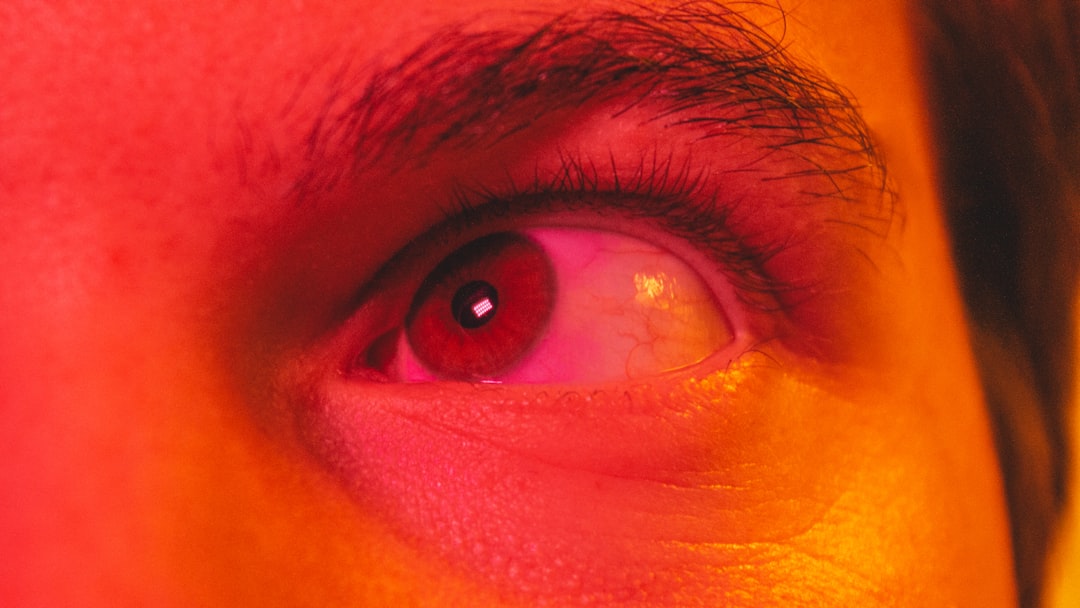
Your eyes are red, swollen, and itching so badly you want to rub them with sandpaper. You have been through half a box of tissues already today, and the watery mess running down your face is making it hard to concentrate on anything. If you live in Waco or anywhere along the I-35 corridor in Central Texas, this scene probably feels familiar. The region's combination of tree pollen, grass pollen, mold spores, and dust creates a year-round assault on your eyes that most people outside of Texas would find hard to believe.
Key takeaways
- Itchy, watery eyes in Central Texas are most often caused by allergic conjunctivitis, an immune reaction to airborne allergens like pollen, mold, and dust mites
- The Waco area has overlapping pollen seasons that can trigger eye symptoms from December through November, with brief windows of relief
- Over-the-counter eye drops manage symptoms temporarily, but identifying your specific triggers through allergy testing leads to longer lasting relief
What is actually happening in your eyes
When pollen, mold spores, or dust particles land on the thin membrane covering your eyeball and inner eyelids (the conjunctiva), your immune system can overreact to them. In people with allergic conjunctivitis, the body treats these harmless particles as threats and releases a chemical called histamine from mast cells in the eye tissue. Histamine is the reason your eyes itch. It is also the reason they swell, turn red, and start producing excess tears.
The itch-scratch cycle
Rubbing your eyes when they itch feels irresistible, but it makes everything worse. Each time you rub, you physically break open more mast cells in the conjunctiva, releasing additional histamine. That creates more itching, more rubbing, and more histamine. Some patients come in with eyes so swollen from this cycle that they can barely open them. The conjunctiva can balloon with fluid in a condition called chemosis, which looks alarming but resolves once the allergic response calms down.
Why tears do not help
Your eyes water constantly during an allergic reaction because your body is trying to flush out the allergen. But these reflex tears are mostly water and lack the protective oils and mucins found in normal tears. So the more your eyes water, the more they dry out between episodes, which creates irritation on top of the allergic inflammation. It is a frustrating loop. You are simultaneously too wet and too dry.
Common eye allergy triggers in Central Texas
Living in the Waco area means dealing with a pollen calendar that barely has any gaps. Understanding what is in the air during each season helps you anticipate flare-ups rather than react to them after the fact.
Mountain cedar (December through February)
Cedar season is when most Central Texans first realize they have allergies. Mountain cedar (Ashe juniper) releases enormous clouds of pollen that can travel hundreds of miles. On heavy release days, you can actually see yellow clouds of pollen drifting off the trees in the Hill Country west of Waco. Cedar pollen is unusually potent as an eye irritant. Many patients describe a burning, gritty sensation that feels different from other pollen allergies. The peak usually hits in January, though some years it starts as early as mid-December.
Oak pollen (February through April)
Just as cedar tapers off, oak pollen ramps up. Central Texas has multiple oak species, and their pollen seasons overlap, creating a long window of exposure. Oak pollen grains are larger than cedar and tend to produce more classic allergy symptoms: itching, redness, swelling. Because oak season overlaps with the tail end of cedar, many patients experience weeks where both pollens are hitting them at once.
Grass pollen (May through September)
Bermuda grass, Johnson grass, and several other species dominate the Central Texas summer. Grass pollen counts tend to peak in the morning hours, so patients who exercise outdoors early often get hit hardest. The heat does not kill the pollen. In fact, warm windy days spread it further. If your eyes are worse after mowing the lawn or spending time at the park, grass pollen is probably the trigger.
Ragweed (August through November)
Ragweed produces some of the lightest, most easily airborne pollen of any plant. A single ragweed plant can release a billion pollen grains in a season. Central Texas ragweed season starts in August and can run through November, with September and October typically being the worst months. Ragweed is a particularly strong trigger for eye symptoms because the pollen grains are small enough to stick to the conjunctiva easily.
Indoor triggers: dust mites, pet dander, and mold
If your eyes bother you year-round regardless of what is blooming outside, indoor allergens are likely involved. Dust mites thrive in Texas homes because of the humidity. Pet dander (especially from cats) is a common eye irritant that people overlook because they have had their pet for years and assume they cannot be allergic to it. Mold grows in bathrooms, under sinks, in HVAC ducts, and anywhere moisture accumulates. All three can cause chronic low-grade eye inflammation that flares up when seasonal pollen adds to the burden.
How to tell if your eye symptoms are allergies
Not every red, itchy eye is allergic. Infections, dry eye syndrome, and contact lens irritation can look similar. Here are some patterns that point toward allergies specifically.
Both eyes are affected
Allergic reactions almost always hit both eyes because the allergen is airborne and lands on both simultaneously. If only one eye is red and irritated, infection or a foreign body is more likely.
Itching is the dominant symptom
Allergic conjunctivitis itches. A lot. If burning, pain, or light sensitivity is your main complaint, other causes should be considered. Bacterial conjunctivitis tends to produce more discharge than itching. Viral conjunctivitis (often linked to colds) causes watering and redness but less itching than allergies.
Symptoms follow a pattern
If your eyes flare up every January (cedar) or every September (ragweed), that seasonal pattern is strong evidence of allergies. If they are worse in the morning (dust mites in bedding) or after playing with a pet, that points to specific indoor triggers. Random, one-off episodes are less likely to be allergic.
You have other allergy symptoms too
Most people with allergic conjunctivitis also have nasal symptoms: sneezing, congestion, runny nose. If your itchy eyes come with a stuffy nose and post-nasal drip, the whole picture is allergic. Eye-only symptoms without any nasal involvement are possible but less common.
When to stop managing and start treating
Over-the-counter antihistamine eye drops like ketotifen (Zaditor) work reasonably well for mild, occasional symptoms. If you use them a few times during peak pollen week and feel fine the rest of the year, you probably do not need an allergist.
But if any of these sound familiar, it is time for a different approach:
- You are buying eye drops monthly for several months of the year
- Your symptoms are getting worse each year rather than staying the same
- You are avoiding outdoor activities because of your eyes
- Oral antihistamines dry out your eyes and make the problem different but not better
- You are not sure what you are actually allergic to
Identifying your specific triggers changes the game. Once you know whether cedar, oak, dust mites, or some combination is causing your symptoms, you can take targeted steps instead of guessing.
How allergy testing works for eye symptoms
Allergy testing for eye symptoms is the same as testing for nasal allergies. The most common method is skin prick testing, where tiny amounts of common allergens are applied to your forearm or back. If you are allergic, a small raised bump appears at that spot within 15 to 20 minutes. It is fast, accurate, and tells you exactly which allergens your immune system reacts to.
What the results tell you
Test results are graded by the size of the reaction. A large reaction to mountain cedar and a moderate reaction to dust mites, for example, tells you that cedar season will be your worst time and that you also need to address dust mites in your home. This kind of specificity is something you cannot get from trial and error with over-the-counter medications.
Blood testing as an alternative
For patients who cannot stop antihistamines long enough for skin testing (antihistamines need to be paused for several days before skin tests), blood tests measuring allergen-specific IgE antibodies are an alternative. They are slightly less sensitive than skin tests but still useful, especially for confirming results or testing for allergens that are difficult to test on skin.
Treatment options beyond eye drops
Once you know your triggers, treatment can be layered based on how severe your symptoms are.
Avoidance measures that actually work
Keeping windows closed during peak pollen hours (typically morning and early afternoon) reduces the amount of pollen that enters your home. Showering and changing clothes after spending time outdoors removes pollen from your hair and skin before it transfers to your pillow, where it will irritate your eyes all night. Wraparound sunglasses create a physical barrier when you are outside. None of these will eliminate symptoms completely, but they reduce the allergen load your eyes have to deal with.
Prescription eye drops
For patients who need more than over-the-counter drops, prescription options include mast cell stabilizers that prevent histamine release in the first place, stronger antihistamine drops, and combination drops that do both. These are more effective than what you can buy at the pharmacy and are designed for daily use during allergy season.
Oral and nasal medications
Non-sedating oral antihistamines (cetirizine, loratadine, fexofenadine) reduce eye symptoms along with nasal ones. Nasal steroid sprays, which most people associate only with congestion, have been shown to reduce eye symptoms as well because they calm the overall allergic response in your upper airway. Using both together often provides better eye relief than either alone.
Immunotherapy for long-term control
If your eye allergies are severe enough that you dread certain seasons or if medications are not providing adequate relief, immunotherapy is worth considering. Allergy shots gradually expose your immune system to increasing amounts of the allergens you react to, retraining it to tolerate them. Success rates for shots are around 85 to 90 percent over the course of treatment. Allergy drops (sublingual immunotherapy) are an alternative for patients who prefer not to come in for injections, with success rates around 75 to 85 percent. Both address the underlying immune dysfunction rather than just blocking symptoms.
Living with eye allergies in Central Texas
The reality of living in the Waco area is that you will be exposed to allergens most of the year. Pollen counts are rarely zero here. But there is a big difference between dreading every season change and managing your allergies with a plan that actually works.
We see patients who have spent years cycling through different eye drops and oral antihistamines without ever figuring out what specifically triggers their symptoms. Getting tested and building a treatment plan around your actual allergens (not just whatever happens to be in season) is the most reliable path to getting your eyes back to normal. Or at least close to it.
Checking the daily pollen count on allergywaco.com can help you plan outdoor activities around lower pollen days. On high pollen days, simple steps like keeping car windows up and running the AC on recirculate mode make a noticeable difference. None of this is glamorous, but it works. And for people who have spent years rubbing their eyes and wondering if this is just how life is going to be, finding out it does not have to be is a pretty significant thing.
Long-term management of eye allergies in Central Texas
If your eye allergies come back every year or persist year-round, the question to ask yourself is whether you want to keep managing individual episodes or address the underlying sensitivity. Over-the-counter eye drops work for occasional flare-ups. But if you are using them multiple times a week for months at a time, the cost and inconvenience add up, and you are never actually solving the problem.
Prescription eye drops offer stronger, longer-lasting relief than over-the-counter options. Olopatadine (Patanol, Pataday) is both an antihistamine and a mast cell stabilizer, meaning it blocks the current reaction and reduces the likelihood of the next one. Prescription mast cell stabilizers like cromolyn sodium, started before your problem season begins, prevent the mast cells from degranulating in the first place. For patients with severe allergic conjunctivitis that does not respond to drops alone, short courses of topical corticosteroid eye drops can break through acute flares, though they require monitoring for intraocular pressure changes and should not be used long-term without ophthalmologic supervision.
The deeper question for patients with recurrent eye allergies is whether the eye symptoms are part of a broader allergic picture that would benefit from immunotherapy. If your itchy eyes are accompanied by nasal congestion, sneezing, and fatigue during the same seasons, you are dealing with allergic rhinoconjunctivitis, and treating the underlying allergy with immunotherapy can improve both the nasal and eye components. Many patients on immunotherapy report that their eye symptoms are among the first to improve, often within the first season of treatment.
Contact lens wearers face additional challenges during allergy season. Pollen and allergens can accumulate on the lens surface, prolonging contact between the allergen and the conjunctiva. Daily disposable lenses are preferable to extended-wear lenses during pollen season because you start each day with a clean surface. Some patients switch to glasses during their worst allergy weeks to give the conjunctiva a break from lens-related irritation on top of the allergic inflammation.
We see patients who have been struggling with eye allergies for years, buying a new bottle of Visine every month, rubbing their eyes raw, and assuming there is nothing more to be done. There is. Testing identifies your specific triggers. Targeted treatment with prescription drops, nasal steroids (which also help eye symptoms through systemic inflammatory reduction), and immunotherapy can make the difference between dreading certain seasons and getting through them with comfortable, clear eyes.