



Allergy testing turns guesses into specific answers. After 45 plus years of testing Central Texas patients, our team has developed a process that is efficient, comfortable, and produces results you can actually use. This page walks through what testing looks like, how to prepare, and what comes after. Patients drive in from across the region for testing, including Killeen, Temple, and the surrounding county and city locations.
Key takeaways
- Skin testing produces results during the visit, usually within 60 to 90 minutes total
- Stop oral antihistamines 7 days before skin testing; nasal sprays and inhalers can usually continue
- Blood testing (specific IgE) is the alternative when skin testing is not appropriate
- Results turn into a treatment plan, not just a list of positives
- Most major insurance plans cover testing when ordered for medical reasons
Skin prick testing, the standard first step
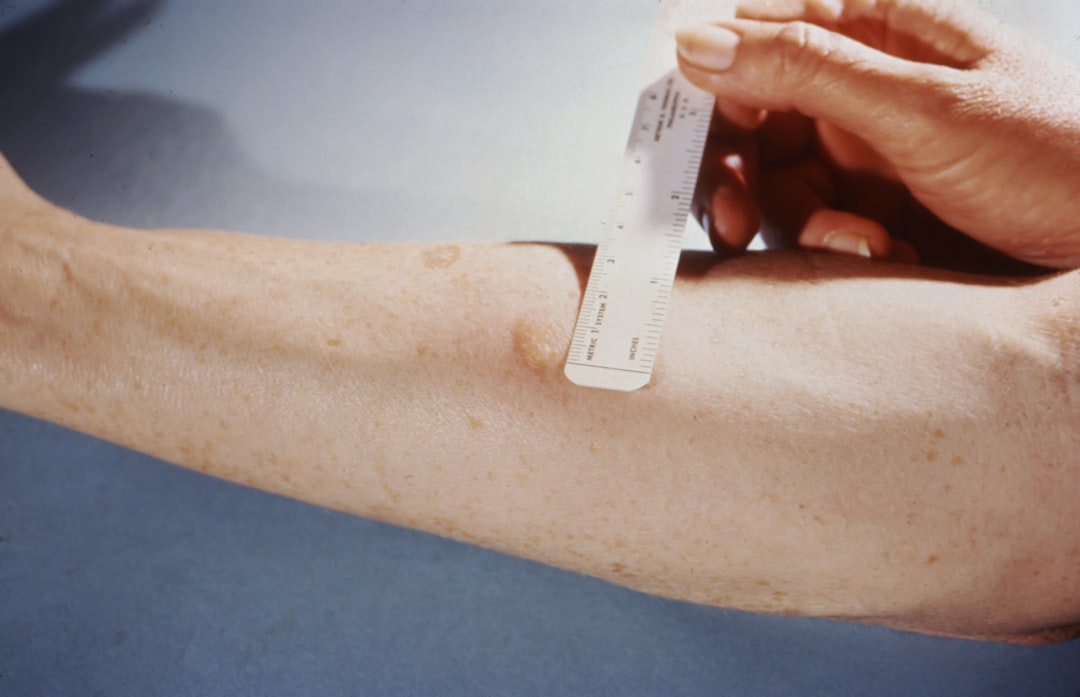
A nurse places small drops of allergen extract on your back or forearm and pricks the skin underneath each drop with a tiny plastic device. The pricks are very superficial and most patients find them more itchy than painful. After 15 to 20 minutes, we measure any wheals (raised bumps) that have developed. Each wheal is graded by size, and the result tells us whether you are sensitized to that allergen and how strongly.
What we test for in Central Texas
A typical Central Texas environmental panel includes mountain cedar, oak, elm, pecan, mesquite, Bermuda grass, Johnson grass, ragweed, dust mites, cat, dog, cockroach, and the major mold species (Alternaria, Cladosporium, Aspergillus, Penicillium). Food panels and drug panels are run separately when indicated.
How long testing takes
Placement takes about 5 minutes. The 15 to 20 minute wait while reactions develop is the longest part of the visit. Reading and discussing results takes another 15 to 30 minutes. Total visit time including check-in and checkout is typically 60 to 90 minutes for a first visit.
Comfort during testing
Most patients describe skin testing as itchy rather than painful. The pricks are superficial and use plastic devices rather than needles. Children tolerate testing well with simple distractions like tablets, parent phones, or favorite toys during the wait period. Our staff has decades of experience making testing comfortable for nervous patients of all ages.

Intradermal testing, when prick is negative
Some allergens (particularly venom and some drug allergens) require intradermal testing if prick testing is negative but suspicion remains high. This involves injecting a small amount of allergen just under the skin. The technique is more sensitive than prick testing and is part of the standard workup for stinging insect allergy and penicillin de-labeling.
When intradermal is needed
For penicillin de-labeling, intradermal testing follows negative prick testing. For venom allergy (bees, wasps, hornets, fire ants), intradermal testing is part of the standard panel. For most environmental allergies, skin prick testing alone is sufficient and intradermal is not needed.
What intradermal feels like
A small injection just under the skin, similar to a TB test. Brief stinging on placement, then resolves within seconds. The wait for reaction development is the same 15 to 20 minutes as prick testing. Reactions are read the same way.
Specific IgE blood testing
A blood test (sometimes called RAST, more accurately ImmunoCAP) measures the same IgE antibodies that drive skin testing reactions. Blood testing is a good alternative when patients cannot stop antihistamines, have severe eczema covering the test sites, are pregnant, or have had a recent severe reaction. Results take 2 to 5 days to come back from the lab.
When blood testing is preferred
Patients on long-term oral antihistamines who cannot stop them. Severe eczema covering test sites. Pregnancy. Recent anaphylaxis (within 6 weeks). Tricyclic antidepressants or older sleep aids that cannot be discontinued. Patients in any of these categories use blood testing as the primary diagnostic tool. Take the allergy testing readiness quiz for a quick screen on which approach fits.
Component-resolved diagnosis
For complex cases, specific component testing (looking at individual proteins within an allergen) refines the picture. Component testing is most useful for food allergies, where reaction severity correlates with sensitization to specific protein components.
Other diagnostic services we coordinate
Allergy testing alone does not always answer the full clinical question. We coordinate with other specialty diagnostics when needed.
Pulmonary function testing
For patients with asthma or suspected exercise-induced bronchoconstriction, spirometry measures airway function before and after bronchodilator. We refer to local pulmonologists when comprehensive pulmonary function testing or specialized challenges are needed.
Endoscopy for EoE
For patients with suspected eosinophilic esophagitis, gastroenterology endoscopy with biopsy confirms the diagnosis. We work jointly with GI when food allergy and EoE overlap.
ENT scopes for chronic sinusitis
For patients with chronic sinus disease, ENT can perform nasal endoscopy and CT imaging when warranted. The combined allergic and structural workup produces better treatment plans than either specialty alone.
What happens after testing
A list of positive tests is not a treatment plan. We sit down with you and review which positives are likely driving your real-world symptoms (since not every positive test causes problems), build an avoidance plan where it makes sense, prescribe medications for daily control, and discuss whether immunotherapy is the right long-term answer for your situation.
Treatment options after diagnosis
Avoidance for allergens you can practically avoid. Daily medications (nasal steroids, antihistamines, eye drops) for ongoing symptom control. Immunotherapy for patients who want long-term resolution. Biologic therapy for severe asthma or eczema not controlled with standard medications.
Building the action plan
For confirmed food allergies, severe environmental allergies, or stinging insect allergies, we provide written action plans for school, work, and family. Epinephrine prescriptions when appropriate. Annual follow-up to assess treatment response.

Costs and insurance
Most insurance plans cover allergy testing when there is a medical reason for it. Our front desk verifies your specific benefits before the visit so you know what to expect. Self-pay options are available for patients without insurance, and we can usually estimate the cost of testing in 5 to 10 minutes by phone.
Insurance pre-auth realities
Some insurance plans require referrals from primary care or specific authorization for certain testing components. Our office handles the paperwork and most authorizations come through within 1 to 2 weeks. We notify you when authorization is complete and testing can be scheduled.
Verifying coverage in advance
Call our office or visit the new patients page to start the verification process. Most plans cover skin testing when ordered for documented medical reasons. Blood testing coverage is sometimes more variable. We confirm specifics before scheduling.
Pre-visit preparation
Stop oral antihistamines 7 days before skin testing. Nasal sprays and asthma inhalers can usually continue. Bring a list of current medications and any prior allergy testing results. Wear short sleeves or loose clothing for back access. Allow 60 to 90 minutes for the visit.
Medications that affect testing
First-generation antihistamines (Benadryl, hydroxyzine) and second-generation (Zyrtec, Claritin, Allegra) all need to stop 7 days before. Tricyclic antidepressants and older sleep aids need 2 weeks off (only with prescriber approval). Nasal steroids, asthma inhalers, and most other medications can continue.
After your visit
You leave with a clear understanding of what you are allergic to, what to avoid where practical, what daily medications to start if appropriate, and whether immunotherapy is on the table. Follow-up visits are typically every few months as treatment is optimized.
From testing to treatment plan
The path from initial testing through stable treatment usually runs over several months. Understanding the typical timeline helps patients plan.
First weeks after testing
Start any prescribed medications. Begin environmental control measures. Track symptoms in a journal. We follow up at 4 to 6 weeks to assess response and adjust if needed.
Months 1 to 3
Medications reach full effect. Symptom journals reveal which approaches work and which need adjustment. For patients starting immunotherapy, this is the buildup phase. For patients on medication only, this is the period when we fine-tune the regimen.
Months 3 to 12
Stable management for most patients. Visits drop to every 3 to 6 months for patients on medication only. Immunotherapy patients continue weekly buildup followed by maintenance dosing.
Year 1 onwards
Annual visits for stable patients. Quarterly visits during immunotherapy buildup. Symptom journal tracking continues. Treatment adjusts over years as conditions change.
Coordinating with primary care
Most patients have primary care relationships that continue alongside specialty allergy care. We coordinate routinely.
Updates to referring physicians
After significant visits, we send treatment plan updates to referring primary care physicians. The shared record helps with antibiotic prescriptions, surgery planning, and other care decisions where allergy history matters.
Pharmacy coordination
For patients on multiple medications, pharmacy coordination prevents drug interactions. We can send prescriptions to your usual pharmacy or coordinate with mail-order pharmacy for stable medications.
Common testing scenarios we see
Patient histories cluster around recognizable patterns that determine the testing approach.
The new Texas resident with worsening symptoms
Patients who moved to Central Texas and developed new allergies after 1 to 3 years often arrive looking for a comprehensive panel. The full Central Texas environmental panel reveals which specific allergens drive their symptoms. Treatment can start immediately based on results.
The chronic sinus patient with no diagnosis
Patients with years of chronic sinusitis who have never been formally tested often have undiagnosed allergic disease. Testing identifies the underlying drivers and changes treatment from reactive (antibiotics for each infection) to preventive (allergic management).
The pediatric food allergy concern
Parents whose children have had unclear food reactions need definitive workup. Skin testing plus blood testing identifies the specific food allergens, and oral food challenges resolve any remaining diagnostic uncertainty. Most cases reach clear answers in 1 to 2 visits, with action plan documentation for school and family use to follow. We coordinate with pediatricians and provide updates when treatment plans change.
When to schedule
If chronic allergic symptoms are not responding to OTC medication, if you have suspected food allergy, if you have had a serious reaction to anything, or if you want a definitive picture of what drives your symptoms, schedule testing. New patient visits are typically within 1 to 3 weeks. Start at our new patients page.