


.avif)

Indoor




Have Questions?
We’ve got answers!
The four major indoor allergens in Central Texas are dust mites, mold (especially Alternaria and Cladosporium), pet dander from cats and dogs, and cockroach allergen. Texas humidity drives dust mite and mold populations higher than in drier climates. These allergens cause year-round symptoms rather than seasonal flares.
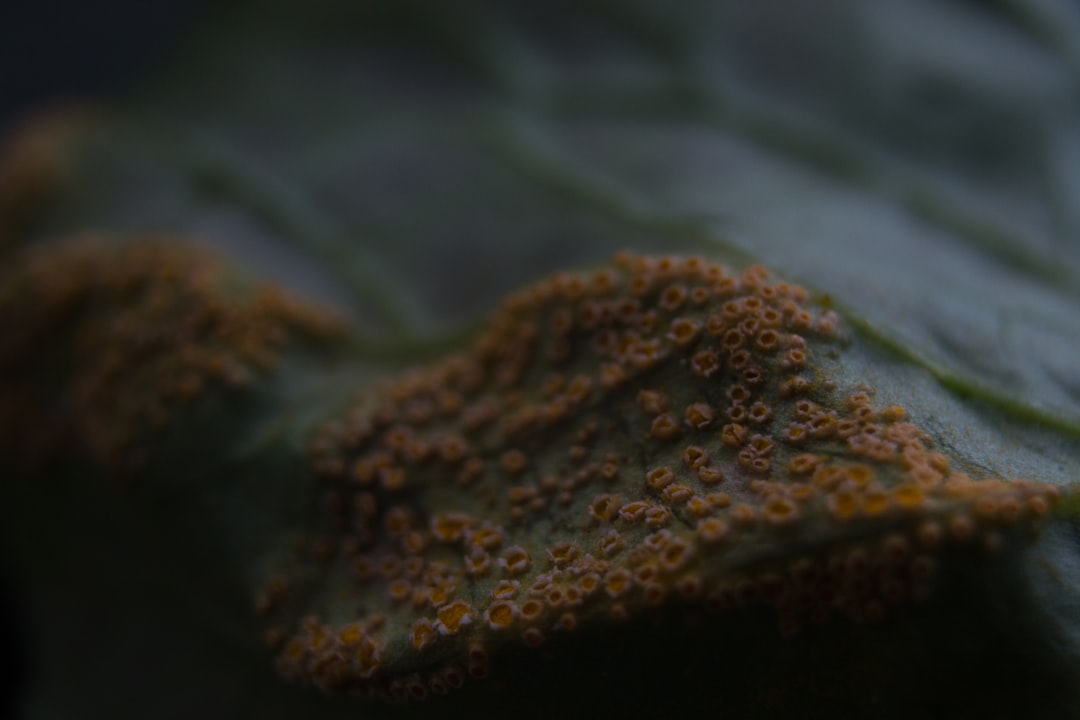
Mold-driven symptoms usually include congestion, sinus pressure, cough, asthma flares, and skin reactions that worsen in damp environments or after rain. Visible mold larger than a few square feet, persistent musty smell, or a history of water leaks all increase suspicion. Take the mold exposure risk assessment and read our coverage of mold allergy in Central Texas. Visible mold needs professional remediation before allergic symptoms can fully resolve.
In most cases, yes. Modern allergy treatment, especially immunotherapy, has made pet allergy a manageable condition for the vast majority of patients. Take the pet allergy severity scorer for a quick read, then read our deep article on pet allergy treatment options in Central Texas. Our 45 plus years of treating Central Texas families includes thousands of patients who kept their cats and dogs through immunotherapy. Rehoming is rarely the right first step.
Wash bedding weekly in hot water (130°F or higher). Use dust mite-proof encasings on mattresses and pillows. Keep indoor humidity between 40 and 55 percent (dust mites thrive above 60). Vacuum with a HEPA filter weekly. Reduce upholstered furniture and stuffed animals in the bedroom. Hard flooring beats carpet for allergic patients. These measures together can drop dust mite populations by 60 to 80 percent in most homes. Read our full guide on dust mite allergy.
Yes, and indoor allergens are among the conditions immunotherapy treats most effectively. Dust mite, cat, dog, and mold allergens are all standard components of immunotherapy formulations. In our practice, allergy shots succeed in 85 to 90 percent of patients, and sublingual drops in 75 to 85 percent. The 3 to 5 year course retrains the immune system, and benefits typically persist for many years after treatment finishes. Schedule a consultation through new patients or learn more on our immunotherapy page.