


Bellmead sits just east of Waco along the Brazos River, with US-84 and Loop 340 framing the community. For Bellmead residents, getting to specialty allergy care has historically meant a longer drive into central Waco. Our location off Highway 6 is roughly 10 minutes from most Bellmead neighborhoods, which makes regular allergy shot visits realistic rather than aspirational. We have been treating Central Texas families for over 45 years, and Bellmead patients are part of our regular catchment area.
Key takeaways
- 10 minutes from most Bellmead addresses via US-84 or Loop 340
- Brazos River corridor humidity drives higher indoor mold exposure than other parts of the metro
- We offer the full range of allergy treatments: testing, shots, sublingual drops, biologics, and asthma management
- Most major insurance plans accepted including several Medicaid managed care plans
- New patient appointments typically within 1 to 3 weeks
Why Bellmead allergy patterns are unique
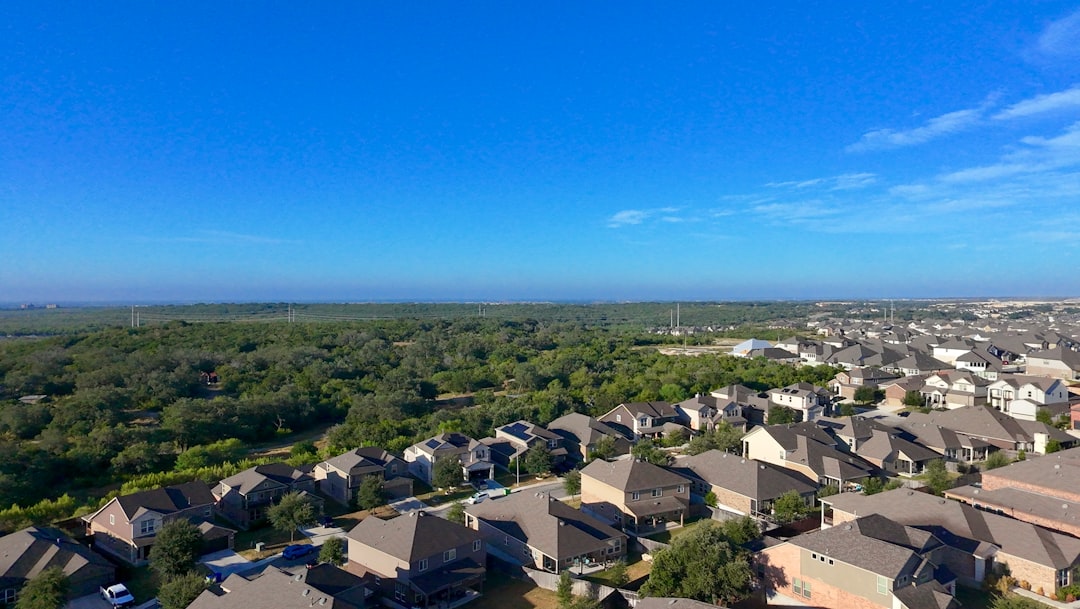
Bellmead's housing mix runs from established homes built in the 1960s and 70s to newer subdivisions on the eastern edge. Older homes mean older HVAC systems, slower-to-dry crawl spaces after summer storms, and dust accumulation in places that newer construction designs out. Patients who move into older Bellmead homes sometimes notice congestion and cough that did not happen in their previous house. That pattern usually traces to dust mites and mold rather than anything outdoor.
The Brazos River effect on local air
The Brazos River sits just south of Bellmead, and the moisture it adds to local air shows up in higher mold counts on humid days. Our daily pollen count includes mold spore counts so Bellmead patients can compare their bad days to actual data. Cladosporium and Alternaria are the two major outdoor mold species we test for routinely.
Older HVAC and indoor allergens
Many Bellmead homes built in the 1960s and 70s have HVAC systems that have been replaced once or twice but original ductwork that has accumulated dust over decades. Older ducts often have small leaks that pull in attic air carrying mold spores and pollen. Newer homes have tighter envelopes and better-designed HVAC, but Bellmead's housing mix tilts older. Indoor air quality assessment is sometimes worth it for patients with chronic symptoms in older Bellmead homes.
Outdoor allergens through the year
Bellmead gets the same Central Texas pollen calendar as the rest of McLennan County. Mountain cedar peaks December through February. Oak pollen dominates March through May. Grasses run May through October. Ragweed peaks September and October.
Cedar fever in Bellmead
About 20 percent of long-term Central Texas residents develop sensitization to mountain cedar. Bellmead's eastern position relative to the Hill Country juniper belt means the heaviest pollen plumes have crossed the metro before reaching Bellmead, but counts can still be high enough to drive significant symptoms. Read more about cedar fever symptoms.
First-time Texas residents
Patients new to the region often pick up sensitivities within the first one or two years of living here. The exposure load of Central Texas pollen is substantial, and immune systems that have never seen these allergens before commonly develop sensitization. New residents in Bellmead often start to notice symptoms during their second cedar season or third oak season.
Local healthcare ecosystem
Bellmead patients access care through several Waco-area hospitals and specialty practices. We coordinate routinely with the broader healthcare ecosystem.
Hospitals serving Bellmead
Ascension Providence Waco and Baylor Scott & White Hillcrest are the two major hospital systems serving the metro. Bellmead patients with severe asthma or food allergy emergencies typically use one of these for ER care. We share patient records and coordinate care when patients have hospital visits related to allergic disease.
Pediatricians and family medicine practices
Several pediatric and family medicine practices serve Bellmead families. Many of these refer to us routinely for allergy evaluation and ongoing care. We send updated treatment plans back to referring physicians after each significant visit so the primary care record stays current.
ENT and pulmonology coordination
For patients with chronic sinus issues, severe asthma, or upper airway concerns, we work jointly with local ENT and pulmonology practices. Sinus surgery, sleep medicine, and pediatric ENT cases routinely involve coordinated care.
Neighborhood-level patterns
Bellmead is not uniform in allergen exposure. Specific neighborhoods have specific patterns.
Eastern Bellmead near Highway 6
Newer construction along the eastern edge has tighter HVAC and less indoor allergen accumulation. Outdoor allergen exposure is similar to the rest of Bellmead, but indoor air quality tends to be better than older neighborhoods.
Established central Bellmead
Mid-20th-century neighborhoods near Bellmead Drive and Loop 340 have older housing stock with the indoor air patterns described above. Patients in this area often benefit from indoor air quality assessments alongside allergy testing.
Schools and exposure points
La Vega Independent School District serves most of Bellmead. La Vega High School, Bellmead Elementary, and surrounding schools have outdoor sports fields that produce grass pollen exposure during peak season. We coordinate with school nurses for action plans when needed.
What we offer Bellmead families
Skin testing for environmental and food allergens, specific IgE blood testing when skin testing is not appropriate, allergy shots, sublingual drops (a daily liquid taken at home, no needles), pediatric allergy care from infancy onward, biologic therapy for severe asthma and eczema, drug allergy testing (including penicillin de-labeling), and food challenges in a supervised office setting.
Allergy testing in our office
A first visit including skin testing typically runs 60 to 90 minutes from check-in to checkout. Results are read during the visit. We discuss what they mean and outline a treatment plan before you leave. Read more in our service-area page on allergy testing in Waco.
Allergy shots vs drops
Both treatments retrain the immune system over 3 to 5 years. Shots are given in office weekly during build-up, then every 2 to 4 weeks during maintenance. Drops are taken daily at home. Shots have slightly higher success rates (85 to 90 percent vs 75 to 85 percent), but drops fit better for patients who cannot commit to weekly office visits. Take the immunotherapy candidacy quiz for a quick screen.
Pediatric care
We treat children of all ages, including infants when symptoms warrant it. Pediatric services include allergy testing (smaller targeted panels for younger kids), immunotherapy (shots and sublingual drops), food allergy management, eczema treatment including biologics, and asthma management. Read more at our pediatric allergist page.

Insurance and scheduling
We accept most major insurance plans and verify benefits before your first visit. New patient appointments are typically available within 1 to 3 weeks. Same-day acute visits for urgent allergy or asthma issues are sometimes possible by calling our office directly.
Accepted plans
Major commercial plans (Blue Cross Blue Shield of Texas, Aetna, UnitedHealthcare, Cigna, Humana), Medicare, and several Medicaid managed care plans (Superior, Amerigroup, Driscoll). TRICARE for military families. We update our accepted-plan list regularly. Our front desk verifies your specific plan in 5 to 10 minutes when you call.
Costs and self-pay
Self-pay options are available for patients without insurance. We can usually estimate the cost of testing or a new patient visit in 5 to 10 minutes by phone. Payment plans are available for substantial treatment commitments like immunotherapy.
Prior authorization workflow
Several treatments (biologic medications, some advanced testing) require insurance prior authorization. Our office handles the paperwork. Most authorizations come through within 1 to 2 weeks. We notify you when authorization is complete and treatment can start.
Getting from Bellmead to our office
From most Bellmead neighborhoods, the drive is 10 minutes via US-84 west or 12 to 15 minutes via Loop 340 south. Both routes have minimal traffic outside of school commute times. Our office has dedicated parking. The full visit including check-in, testing, and discussion typically runs 60 to 90 minutes for a first visit, 30 to 45 minutes for a shot or follow-up.
Patient flow vignette
A typical Bellmead patient on weekly allergy shots schedules mid-morning visits. The 10-minute drive plus 30-minute appointment plus return drive fits in a 90-minute work break. Patients who schedule consistently at the same time each week find the routine becomes manageable. After 6 to 9 months of buildup, visits drop to every 2 to 4 weeks.
Common presentations we see from Bellmead
Patient histories from Bellmead tend to cluster around specific patterns. Recognizing these helps us sort through differential diagnoses faster.
Chronic congestion in older homes
Patients moving into older Bellmead homes from newer construction frequently develop year-round congestion within a few months. The pattern usually traces to dust mites, indoor mold, or pet dander accumulated in the home environment. Skin testing identifies the specific contributor, and a combination of environmental control and medication usually resolves it.
Cedar fever in long-term residents
Patients who have lived in Central Texas for 5 plus years sometimes develop new winter symptoms that turn out to be cedar fever. The 20 percent sensitization rate among long-term residents means even patients without a family allergy history can develop cedar disease. Treatment options span the full range from medication to immunotherapy.
Pediatric food allergies in young families
Bellmead's growing population of young families brings a steady stream of pediatric food allergy concerns. Most are screened through pediatricians who refer for testing when symptoms warrant. Read more about our food allergy management.
Continuity matters in allergy care
Allergy treatment, especially immunotherapy, takes 3 to 5 years for full effect. Patients who switch providers mid-treatment usually have to restart parts of the protocol. Our staff tenure runs 12 to 20 plus years, which means the nurse drawing your shot today is probably the same nurse who will draw it next year. That continuity matters more than people realize for treatments that span years.
Cultural and lifestyle context
Bellmead's identity as a working-class Waco suburb shapes patient priorities and treatment choices.
Family-centered scheduling
Many Bellmead patients balance work, family responsibilities, and care for older relatives. Visit scheduling that fits around school pickup, work shifts, and family obligations matters more than abstract clinical preferences. We offer evening hours when possible and accommodate family scheduling.
Multi-generational care
It is common for us to see grandparents, parents, and children from the same Bellmead family across years. The pattern reflects how strong family networks structure healthcare decisions in the community. We maintain shared family awareness across patient records when consent allows.
When to schedule
If you have chronic congestion, recurring sinus infections, asthma that is hard to control, suspected food allergy, or any pattern of symptoms that has not responded to over-the-counter medication, schedule an evaluation. New patient visits are typically within 1 to 3 weeks. Start at our new patients page.